A mental disorder, also referred to as a mental illness, a mental health condition, or a psychiatric disability, is a behavioral or mental pattern that causes significant distress or impairment of personal functioning. A mental disorder is also characterized by a clinically significant disturbance in an individual's cognition, emotional regulation, or behavior, often in a social context. Such disturbances may occur as single episodes, may be persistent, or may be relapsing–remitting. There are many different types of mental disorders, with signs and symptoms that vary widely between specific disorders.
To diagnose a mental health problem, doctors will look at:
- your experiences (groupings of certain feelings, behaviours and physical symptoms may suggest different diagnoses)
- how long you've been experiencing these things
- the impact it's having on your life.

A mental disorder is one aspect of mental health.
Mental health treatments:
- Talking therapies
- Cognitive behavioural therapy (CBT)
- Counselling
- Antidepressants

Key facts
- Nearly 1 in 7 people in the world live with a mental disorder.
- Mental disorders can severely disrupt daily life and cause long-term suffering if left untreated.
- There are many different types of mental disorders.
- Effective prevention and treatment options exist.
- Most people do not have access to effective care.
The causes of mental disorders are often unclear. Theories incorporate findings from a range of fields. Disorders may be associated with particular regions or functions of the brain. Disorders are usually diagnosed or assessed by a mental health professional, such as a clinical psychologist, psychiatrist, psychiatric nurse, or clinical social worker, using various methods such as psychometric tests, but often relying on observation and questioning. Cultural and religious beliefs, as well as social norms, should be taken into account when making a diagnosis.
Can you heal from mental illness?
Epidemiologic research has consistently shown that severe mental illness is not always a lifelong or even a chronic condition; substantial numbers of people with severe mental illness have a reduction of both symptoms and associated secondary impairments over time.
Can jinn affect mental health?
The belief that Jinn spirits can cause mental illness in humans through affliction or possession is widely accepted among Muslims. This belief is a crucial but frequently overlooked aspect of mental health issues among Muslim patients in psychiatric care.
What does the Quran say about mental disorders?
When faced with the pains and difficulties of this life, we should remember, “No fatigue, nor disease, nor anxiety, nor sadness, nor pain, nor distress befalls a Muslim, even if it were the prick of a thorn, except that God cleanses some of his sins for that.”
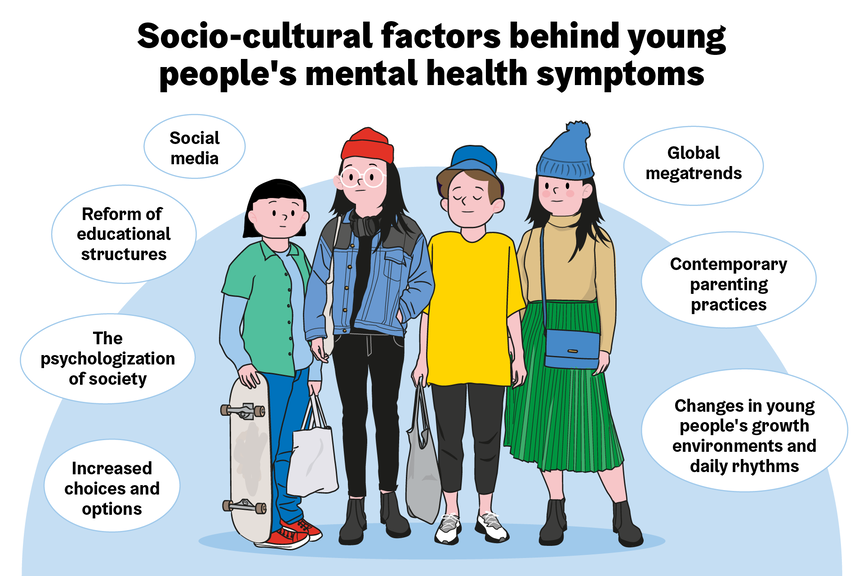
At what age does 50% of all lifetime mental ill health begin?
50% of all lifetime mental illnesses begin at age 14 (National Alliance on Mental Illness) 42% of teens experience persistent feelings of sadness or hopelessness (Centers for Disease Control and Prevention)
Young people may experience higher risk of mental health issues with early puberty. Those most frequent in the teenage years include anxiety and depression, eating disorders, conduct disorder (serious antisocial behaviour), attention deficit and hyperactivity disorder (ADHD) and self-harm.