In some spiritual practices, salt is believed to be a protective agent, used to ward off or remove negative energies, including those associated with jinn or evil spirits. While not universally accepted or scientifically proven, there are cultural practices, especially in some Islamic and other traditions, where salt is used in rituals or ceremonies for cleansing and protection.
In some cultures, especially within Islamic traditions, salt is believed to have protective properties against jinn (supernatural beings) and the "evil eye".
Practices like throwing salt in the fire, circling it around a person's body, or spraying it in corners of a house are sometimes used to ward off these negative influences. Ruqyah, which involves reciting verses of the Quran, is also seen as a powerful means of protection against jinn.
Placing salt in the corners of a house for protection from Shaytan and Jinn is not established in the teachings of the Quran and Sunna. While salt may be used for practical purposes, such as repelling ants or cleaning, attributing its use to protection from jinn enters the realm of the unseen, which must be strictly based on the Quran and authentic Sunna. Muslims are cautioned not to adopt beliefs or practices regarding the unseen that lack a sound basis, as this can lead to reliance on unverified methods outside the Sacred Law.
Instead, seek protection through actions grounded in the Prophetic tradition, such as reciting Ayat al-Kursi [Quran, 2:255], the last two verses of Surah al-Baqara [Quran, 2:285–286], and the prescribed morning and evening supplications. These practices have been affirmed by the Prophet (Allah bless him and give him peace) and are effective means of seeking Allah’s protection.
Why do demons not like salt?
Salt fight decay thus it fights “demons”. Salt has been used in many religions and traditions as, both a purifier, and a repellent of evil. It isn't necessarily used to scare demons, but it is used to contain them in a boundary, which is often a circle.
What is salt meditation?
Halotherapy, or salt therapy, involves breathing in air with tiny salt particles to improve your breathing.
What is hidden salt?
Many everyday foods are not obviously salty, but they can contain high amounts of 'hidden salt'. While we may add salt to our food during cooking, or just before we eat it, about 75 per cent of the salt we eat is already added to the food we buy.
Why are witches afraid of salt?
In the middle of the last millennia in Europe, salt was believed to provide defence against witches, witchcraft, demons, sprites, and the evil eye. It was a common belief that witches, and the animals they bewitched, could not eat anything salted.
What is Japanese magic salt?
Introducing Magic Salt Original, the all-natural sea-salt from Japan! Made from high-quality salt sourced from the pure seawater of the Japanese Sea, this salt is rich in minerals and free from any additives. It has a light and natural flavor that pairs perfectly with any meal.
Can salt absorb negative energy?
Sprinkle salt water in corners or place bowls of salt in key areas as they can absorb negativity.
How to use salt for protection?
Begin sprinkling the salt in key areas of the space, such as corners, doorways, windowsills, or areas where negative energies may linger. Repeat Protective Affirmations: While sprinkling the salt, recite affirmations or prayers that reinforce your intention to banish evil spirits and protect the space.
Is carrying salt good luck?
Since ages, salt has been associated with spirituality and healing. According to ancient beliefs, salt is linked to spirituality because of its purity, healing properties that help in boosting good luck and ward off the ill effects of the evil eye.
What power does salt have?
Salt's anti-inflammatory and anti-bacterial properties reduce congestion, sanitize, and open the airways. This treatment is used to relieve the symptoms of allergies, asthma, bronchitis, COPD and the common cold.
What is the use of salt spiritually?
Salt has been recognized for its spiritual significance across various cultures, symbolizing energy, balance, and purification. It is believed to absorb negative energy, ward off malevolent influences, and cleanse both mentally and physically.
Using Salt in Spell Work
As mentioned before salt is used to create protective barriers, to cleanse, and for abundance spells/Magick. In many traditions, salt is offered or thrown at the four corners of a room to ensure all malevolent energies and spirits are banished and/or kept at bay.
نِمِسیس(به یونانی: Νέμεσις) (به انگلیسی: Nemesis) در اساطیر یونان الههٔ نیک و بد، دادگری(عدالت) و تلافی(انتقام)بود. تندیس و پرستشگاه او در روستای رامنوسیا در شمال آتیک جای گرفته است و به همین علت با نام رامنوسیا (به انگلیسی: Rhamnusia) نیز شناخته میشود. او به عنوان دختر زئوس یا اوکئانوس شناخته میشود، اما برطبق هزیود او فرزند اربوس و نوکس (شب) بود. او مجازاتکنندهٔ عاشقان بیوفا و قانونشکنان و مغروران بود. نمسیس به مانند یک زن جدی دارای بال، که در دست چپ خود یک شلاق، افسار، شمشیر، شاخه سیب یا یک ترازو دارد.
?Are Selfies a Sign of Narcissism
self-absorbed/ˌsɛlfəbˈzɔːbd/
What does self-absorbed person mean?
Self-absorbed is an adjective used to describe a person who's preoccupied with their own wants and needs. When used in this term, the word absorbed means deeply preoccupied or totally wrapped up in something—in this case, oneself. Self-absorbed is almost always used negatively.
What does it mean to be self-absorbed woman?
If you're overly concerned with yourself, including your own feelings and thoughts, you're self-absorbed. Self-absorbed people don't think much about how others are feeling.
Is self-absorbed the same as narcissistic?
Self-centeredness is not the same thing. Most of us are self-centered at least some of the time, and it's not necessarily bad. Sometimes you do need to prioritize yourself over others. Narcissists are self-centered but not every self-centered person is a narcissist.
Νέμεσις
نمسیس یونانی: Νέμεσις فرانسوی: نمسیس عنوان: الههٔ نیک و بد جنسیت: مؤنث پدر: اربوس مادر: نوکس
علی رغم اینکه ایزدبانویی قابل احترام بود، نمسیس غم و اندوه فراوانی برای افراد فناپذیری همچون نارسیس به بار آورد که یکی از دخترانی که جواب عشقش را از نارسیس نگرفته بود دعا کرد که باشد روزی که این مغرور و خودشیفته، روزی عاشق خودش شود و نمسیس این کار را برعهده گرفت. نارسیس شکارچی زیباروی و گردن فرازی بود که عاشقان خود را خوار میشمرد. نمسیس او را کنار آبگیری فریفت و بازتاب خود را در آب مشاهده نمود و عاشق خود شد، بدون آنکه بداند آن بازتاب تنها چیزی شبیه عکس است. نارسیس نمیتوانست دست از زیبایی خود بردارد و سرانجام در همان حال جان باخت. نمسیس بر آن بود که هیچ کس نباید خیلی خوب باشد، و همیشه آنانی را که با هدایای بسیار مورد احترام قرار میگرفتند، نفرین میکرد.
واژهٔ نمسیس در اصل به معنای توزیعکننده شانس و اقبال است؛ که این شانس بر اساس شایستگی توزیع میگردد. بنابراین، نمسیس به افرادی اشاره دارد که در حق این شایستگی ایجاد اختلال میکنند. در تراژدیهای یونان نمسیس بهطور عمده خونخواه جرم و تنبیهکنندهٔ گستاخی به نظر میرسد و همدست آته و ارینیها میباشد. او گاهی با آدراستیا قیاس میشود که به معنای فردی است که راه گریزی از او نمیباشد.
در یونان باستان، پسر جوان زیبارویی بود که به عشق دلباختگان خود توجّهی نمیکرد و حتّی به الهههایی که عاشق او بودند بیاعتنایی میکرد. تا اینکه روزی به کنار چشمهای میرود و در هنگام آب نوشیدن، صورت خود را در آب میبیند و فریفتهٔ خود میشود. برای آنکه خود را در آغوش بکشد، در آب میپرد و غرق میشود. خدایان به خاطر این ناکامی وی را به گل نرگس (نارسیسیوم) تبدیل میکنند تا همواره بر لب آب بروید و خود را نظاره کند.
او مرد جوان بسیار زیبایی بود و دلبستگان فراوانی از جمله یک پری به نام اخو داشت. اما به همه پاسخ رد میداد. سرانجام یکی از عاشقان وی به نمسیس شکایت کرد و نمسیس، نارسیس را محکوم کرد که عاشق تصویر خود شود. او آنقدر در آب استخر به تصویر خود نگریست تا جان داد.
Νάρκισσος یا نارسیس یا نَرگِس
نارسیسجنسیت:مرد پدر:کفیسوس مادر:لیریوپه
نارکیسوس (به یونانی: Νάρκισσος) یا نارسیس یا نَرگِس در اسطورههای یونان، پسر کفیسوس و لیریوپه است.
نارسیسیسم در روانشناسی به معنی عشق به خود یا تمایلات دورهٔ طفولیت و بزرگی و خودشیفتگیاست.
در روانپزشکی نیز نارسیسیسم افراطی، براساس خصیصههای روانی و شخصیتی در عشق بیش از اندازه به خود و خودشیفتگی بیحد و حصر شناسایی میشود و آن را نوعی اختلال روانی میدانند. فروید عقیده داشت که بسیاری از خصیصههای خودشیفتگی با بشر به دنیا میآیند و او نخستین کسی بود که
خودشیفتگی را با روانکاوی توضیح داد. آندرو موریسون نیز ادعا کرد، در دوران بزرگسالی، میزان مفیدی از خودشیفتگی در افراد وجود دارد یا به وجود میآید؛ که آنها را قادر میسازد تا در رابطه برقرار کردن با دیگران، فردیت خود را نیز در نظر بگیرند.
What is narcissism, really? A therapist explains
واژهٔ نارسیسیسم را در روانشناسی فردی گاه به جای اصطلاحاتی مانند تحقیرکننده، پوچی، خودپرستی یا خودپسندی استفاده میکنند و گاهی نیز در جامعهشناسی آن را به جای نخبه گرایی یا بیتفاوتی نسبت به سرنوشت دیگران مینامند.
در سال ۲۰۱۹میلادی محققان دانشگاه کوئینز بلفاست ایرلند نتیجهٔ تحقیقاتی را منتشر کردند که طبق آن خودشیفتهها شادتر از مردم دیگر هستند و به نظر میرسد کمتر در معرض استرس و افسردگی قرار میگیرند.
نارسیسیسم از ریشه لغت یونانیشدهٔ نارسیس (نرگس، اسطوره نارسیسیوس) گرفته شدهاست. نارسیس یا نرگس، مرد جوان خوب چهرهای بود که از عشق اخو (اکو) دوری کرد و برای همین محکوم به عشق ورزیدن به تصویر چهره خود در کنار رود آبی شد عده زیادی تلاش کردند تا به او نشان دهند چیز های زیبا و دلنشین تر از چهره او وجود دارد ولی او نپذیرفت و فقط به چهره خود نگاه کرد تا وقتی که از فرط خستگی و گرسنگی به درون رود افتاد و جان باخت. نام گل نرگس از آن جهت که برکنار رود و دریا می افتد و مانند چشمی است که خود را در رود می نگرد برگرفته از این افسانه است.البته به بیانی دیگر نارسیس وقتی به عشق خود (چهره انعکاس یافته خود) نمیرسد، آنقدر غمگین بر لب چشمه مینشیند تا تبدیل به گل میشود که باز هم نه هر گلی گلی نرگس زرد چرا که او در کنار رود مریض میشود و به رنگ زرد درمیاید.
Narcissism is a self-centered personality style
پیشینه در روانشناسی
به عقیدهٔ فروید، این مفهوم برای اولین بار در روانشناسی توسط پل ناک به کار گرفته شد. وی بعدها این عقیده را تصحیح میکند و توضیح میدهد که در واقع هولاک الیس را باید ابداعکنندهٔ این اصطلاح دانست. خود الیس توضیح دادهاست که او این اصطلاح را در سال ۱۸۹۸ برای توصیف نگرشی روانی به کار برد؛ و ناک در سال ۱۸۹۹ این را برای معین کردن نوعی از انحراف جنسی استفاده کردهاست. به عقیدهٔ الیس، او و ناک را باید بهطور مشترک ابداعکنندهٔ این اصطلاح دانست.
در نظریه یادگیری، این اصل که هر جفت محرک را می توان به آسانی بدون در نظر گرفتن نوع یا منشاء آنها به هم متصل کرد. همچنین قانون تساوی نامیده می شود.
همهتوانی احساسی است که بسیاری از طرفداران فروید آن را جزئی ذاتی در کودکی میدانستند. همانطور که فروید و فرنزی گفتهاند کودکان برای مدتهای زیادی با احساس خودبزرگ بینی زندگی میکنند. پس از تولد کودکان احساس قدرت زیادی میکنند و هرجا نتوانند کاری را از پیش ببرند احساسات دردناکی در ارتباط با از دست دادن این قدرت را تجربه میکنند. فروید عقیده داشت در افراد خودشیفته این احساس همه توانی که به صورت معمول در کودکان وجود دارد مجدداً تجربه میشود.
نشانههای یک خودشیفته (npd):the symptoms of narcissistic personality disorder
تکبر
بازی پاتولوژیک
اضطراب جدایی
ماهیت استثماری
سطوح بالای خود اهمیتی
الگوی رفتاری فرصت طلب
حسادت به دستاوردهای دیگران
نیازهای همنوعان را درک نمی کنند.
انتظار احترام و ستایش عظیم را دارند.
ایده های غیر عملی و قدرت بی حد و حصر
آداب رسمی حتی در روابط شخصی و نزدیک
دیگران را به خاطر شکست هایشان سرزنش می کنند.
باور دارند که آنها بهتر از همه بچه های اطراف هستند.
بیزاری از نگاه، که در آن به چشم گوینده نگاه نمی کنند.
در توانایی ها یا موفقیت های شخصی خود اغراق می کنند.
ناتوانی در پذیرش انتقاد سازنده و آسیب رساندن یا توهین کردن
احساس می کنند که آنها حق هر چیزی که می خواهند را دارند .
فرهنگ خودشیفتگی
مورخ و منتقد اجتماعی کریستوفر لاک این موضوع را در کتابش به نام «فرهنگ خودشیفتگی» که در سال ۱۹۷۹ منتشر شد، توصیف میکند. او فرهنگ خودشیفتگی را به این صورت توصیف میکند که هر عملی که فرد انجام میدهد در راستای ارضاء و بدست آوردن لذت درونی خود است. این توصیف نیز در مواقعی به کمک لیبرالیسم رفتهاست و برای توصیف صفات درونی لیبرالیسم مانند مسائل اجتماعی، جنسیتی یا مذهبی به کار برده میشود. با تعاریفی که از خودشیفتگی به عمل آمدهاست، بیشتر محققان و جامعه شناسان، این صفت را تحلیل برنده اجتماع و جامعه میدانند و آن را در نقطه ماکزیمم فردگرایی قرار دادهاند و فردی که دچار خودشیفتگی بیاندازه است، هیچ علاقهً درونی به دیگران ندارد.
خودشیفتگی در روانشناسی تکامل
واژهٔ خودشیفتگی همچنین در روانشناسی تکاملی در رابطه با مکانیزم جفت گزینی (به انگلیسی: assortative mating) نیز استفاده میشود. کتاب انتشار یافته آلوارز سامارایز در این باره بحث میکند. شواهد جمعگزینی انسانی بر مسائلی مانند سن، ضریب هوشی، قد، وزن، ملیت، تحصیلات، محل اقامت یا محل کار یا خصیصههای شخصیتی توجه دارد و از آنها به عنوان ایجاد رابطهکننده، نام میبرد. در نظریه «خود کاوشگری علاقه» فردیتها به نحوی غیر هوشیارانه به دنبال تصویری از خودشان در دیگران میگردند و این جستجو شامل معیارهای زیبایی، تناسلی و جسمی در زمینه خودارجاعی است.
مطالعات آلوارز مشخص میکند که تشابهات چهرهای بین زوجهایی که ازدواج میکنند، یکی از قدرتمندترین شاخصههای مکانیزم جمع گزینی ناپیدا بین افراد است. زوجها بر اساس یک فرایند ذهنی درونی ترجیح میدهند همچهرههای خود را برگزینند.
شیوع اختلال خودشیفته
برآوردهای شیوع اختلال شخصیت خودشیفته بر مبنای DSM_5، دامنه ای از صفر تا 6/2 درصد را در جمعیت عمومی در بر میگیرد.
believing that your ideas and behavior are morally better than those of other people: He's so self-righteous - like he's never done anything wrong in his life. Those individuals become self-righteous and claim they are being discriminated against when in fact they are not.
People who are identified as self-righteous are often negatively perceived as being vainglorious and self-deceiving. Vainglorious individuals have an inflated sense of their importance, achievements, or abilities and seek excessive admiration and attention.
Today, the elder son is like those who, in self-righteousness, shun brethren who do not live up to their standard of righteousness (Proverbs 20:6; Galatians 6:3; Titus 3:5). Such people do not realize that their self-righteousness is as the filthy rags of the prodigal son (Isaiah 64:6).
خودحق پنداری، خودبرتر پنداری، خودمقدس پنداری یا خودراست پنداری (به انگلیسی: Self-righteousness), احساس یا نمایش برتری اخلاقی (معمولاً متکبرانه) است که از این حس ناشی میشود که باورها، اعمال، یا نسبتهای فرد نسبت به میانگین افراد دیگر فضیلت بیشتری دارند. افراد خود پرهیزگار غالباً .تحمل عقاید و رفتارهای دیگران را ندارند.
خوددانشمند پنداری: جملهای مشهور، منسوب به سقراط است که میگوید: «میدانم که نمیدانم» جمله ای که در این زمانه و بخصوص در بین ما ایرانیها به ندرت شنیده میشود. در مراودات روزمره، در خلال گفتوگوهای رایج ساده، به افرادی برمیخوریم که خود را در هر موضوعی (علمی، سیاسی، اقتصادی، فرهنگی، هنری، نظامی و ...) فوق تخصص و شنیدن عباراتی مانند نمیدانم یا اطلاعی در این زمینه ندارم، از دهان آنها تقریباً محال است. خوددانشمند پنداری تعریف دقیق و مشخصی ندارد و طیف گستردهای را نیز دربرمیگیرد.
این افراد در همه محافل اجتماعی از قبیل میهمانیهای خانوادگی کوچک، کوچه و بازار، محل کسب و کار و... به اظهار فضل میپردازند. آنها تصور میکنند که ابردانشمند، بحرالعلوم و همه چیزدان (به انگلیسی Poly math) هستند و به همین دلیل در قبال هر موضوعی (از فیزیک کوانتوم، ترمودینامیک، شیمی آلی، ژنتیک و اکولوژی گرفته تا علوم سیاسی، روابط بین الملل، اقتصاد، علوم نظامی، تاریخ، فلسفه و ... ) نظری و تحلیلی دارند. افراد خوددانشمند پندار با مطالعه یک یا دو کتاب در زمینه علوم سیاسی (یا تماشای چند برنامه سطحی سیاسی تلویزیونی ) خود را سیاستمدار و تحلیلگر مسائل سیاسی و با مطالعه سطحی یک یا دوکتاب اقتصادی یا فلسفی، خود را اقتصاددان یا فیلسوف میدانند.
Narcissistic Children Have Parents Who Do These Things
وجه اشتراک این افراد یکی از عقایدخودمهم انگاری Self important ideas است. عقاید خودمهم انگاری یکی از نشانههای شیدائی (Mania) است . چنین افرادی زیاد صحبت می کنند که این مشکل فشار کلام Pressure of speech نامیده میشود. برخی نیز افکار خودبزرگبینی (Grandiose) داشته و خود را مبتکر، مکتشف، مبدع، مخترع و تولیدکننده آثار و اختراعات و اکتشافات بزرگ میدانند.
خود مقدس پندار تصور می کند که توسط خداوند انتخاب شده در نتیجه حتماً اعمال و رفتارش در اعلا درجه کیفیت است و در قله ی عقل و شعور انسانیت ایستاده و به عبارتی خدا به این بشر چیزی اعطا کرده که بقیه مخلوقاتش را از آن بی بهره ساخته و محروم! پس اعتراض به خود مقدس پندار یا گرفتن مچ او یا آشکار کردن اشتباه او بسیار خطرناک است.
خود مقدس پنداری ارتباط مستقیمی با جهالت و عدم پذیرفتن اشتباه دارد.
●در نیمههای شب، وقتی که تابش نور ماه هر شکاف کوچک در سنگهای عظیم دیوار ندبه را رمزآلود میکند، آدمهایی در جستجوی تجربهای ماوراءالطبیعی به این نقطه میآیند. اورشلیم آنها را از خود بیخود کرده است و دیوار ندبه این حس را دو چندان میکند. آنها میآیند، دعا میخوانند، در خلسه فرومیروند و سرانجام با حالتی جنونآمیز روانه بیمارستان روانی میشوند!
«سندروم اورشلیم» نخستین بار توسط دکتر «ئیربارائیل» به صورت بالینی معرفی شد.
How to tell if you're self-righteous?
“I am right, you are wrong. My way is better than your way.” But self-righteousness can also be reflected in a low sense of self-worth (“God can't possibly love me”), an inflated sense of self-importance (“I need to do more for God”), and outright unbelief (“I am beyond the reach of his grace”).
What personality disorder is self-righteous?
Narcissistic personality disorder (NPD) is a mental health condition characterized by a high sense of self-importance and a lack of empathy for others. Diagnosing NPD can be challenging as some symptoms overlap with other personality disorders.
Is self-righteous bad?
Being self-righteous hurts us. First, it's off-putting to our family, friends, and associates. When we act self-righteously, it comes across as arrogance. Also, people generally don't like to be judged.
Rain acts as a natural cleanser, washing away dust and impurities. It teaches us the importance of letting go of negativity, grudges, and emotional baggage, allowing ourselves to feel refreshed and renewed.
Why is rain a divine gift of God?
Rain is an absolute divine gift of God.
It is a blessing from God. It is the source of water to land. and water is an element that all living organisms use.
In the Islamic tradition, the rain is a symbolism of Allah’s mercy. During the time of the rain, it was a customary practice to ask Allah for that mercy in an intimate prayer or dua. This practice helps us to change our perspective on rain from being just an ordinary phenomenon to being a purposeful manifestation of Allah’s power, and bounty. Therefore, this individual does not merely recognize the rain, but also recognizes Who the ultimate source of life is, and directs their focus from the temporary changes of nature to the constant nature of Allah, who remains merciful. During the time of rain, the dua that is made can be an intimate conversation with Allah, where one shares their deepest troubles, hopes, dreams and desires or simply asks for that mercy. I think it’s beautiful because rainy days feel lonely and this act allows you to know that Allah is always there for you.
Angels descends with every raindrop
In the Islamic hadiths, we are told that the dua during the time of rain is answered. This encourages people to spill out their heart contents. In this therapeutic way, duas for relief from any feelings, worries and anxieties are brought to surface to be shared with Allah, rather than being suppressed internally to be carried alone. On the other spectrum, duas that express one’s needs and wants encourage that person to look towards growth in life, to focus on the positives of changing one’s life and to take that first step in doing so, which is to actually visualize that reality. Too often, we block our own dreams because they never make it past the noises in our own minds. We fear risks, rejection and judgement. But when the conversation is with the Lord of the entire worlds, who is All-Mighty and All-knowing, those obstacles can easily be overcome.
What does rain mean spiritually?
Rain is not only beautiful but also holds spiritual significance. In the Bible, rain is seen as a symbol of God's blessings and provision. Additionally, in many spiritual belief systems, rain is viewed as a symbol of cleansing and purification, as it is believed to wash away impurities and bring about a new beginning.
Why is rain at night so peaceful?
The sound of rain is naturally soothing due to its steady, predictable pattern. This predictability helps the brain to relax and reduces the likelihood of waking up due to sudden noises.
What does rain mean for love?
Rain is believed to be a symbol of good fortune which falls on the happy couple, bringing well wishes and washing away any troubles the marriage might bring.
The story of what we call the “Bermuda Triangle” actually began 56 years ago, in 1964. The name was first used by American author Vincent Gaddis in Argosy magazine, to describe an area the shape of a triangle in the Atlantic Ocean, off the coast of Florida. This area has also been referred to as the “Devil's Triangle”.
What is inside the Bermuda Triangle?
The Bermuda Triangle, also known as the Devil's Triangle, is a loosely defined region between Florida, Bermuda, and Puerto Rico in the southwestern North Atlantic Ocean where a number of aircraft and ships have disappeared under mysterious circumstances.
Believers describe the formation as a road, wall, or other structure, but the Bimini Road is of natural origin. Some hypothesize that a parallel universe exists in the Bermuda Triangle region, causing a time/space warp that sucks the objects around it into a parallel universe. Others attribute the events to UFOs.
What happens when you go into the Bermuda Triangle?
Secondly, there are often weird weather patterns in the Bermuda Triangle. Strong and highly dangerous storms can cause disasters. Also, since compasses often point directly to the North Pole rather than magnetic north, it can confuse planes and boats in the Bermuda Triangle.
What is the secret of the Bermuda Triangle?
The Bermuda Triangle, known for its mysterious disappearances, can be demystified by examining logical explanations. Erratic weather patterns and environmental factors, such as sudden storms and navigational challenges, contribute to accidents. Mechanical failures and equipment malfunctions are also common in the area.
Bermuda, and the long stretch of sea before it, has been turned to myth for centuries. Some even believe that William Shakespeare's play "The Tempest" is based on tales of sorcery and shipwreck in the area.
What is a fun fact about the Bermuda Triangle?
The Bermuda Triangle is one of only two places on Earth where a compass points to true north rather than magnetic north. If this compass variation or error is not compensated for, ships and planes could find themselves far off course. It's one of the deepest spots on earth.
Bermuda is a self-governing British Overseas Territory with its own Parliament and Constitution. The Governor of Bermuda represents the British monarch and is appointed by Her Majesty The Queen on the advice of the British government.
کلمه انگلیسی ومپایر (Vampire) از واژه آلمانی Vampir گرفته شده که خود این واژه از زبان صربی به زبان آلمانی وارد شده. صرب ها از این کلمه برای اشاره به خفاش ها یا موجوداتی که توانایی پرواز دارن استفاده می کنن. البته عده ای هم این واژه رو به دو بخش " وم " به معنی دندان و "پیر" به معنی نوشیدن تقسیم می کنند.
There is no reference to vampires or werewolves in the Quran. With respect to aliens, I assume you mean extra terrestrials and not angels & jinns. And of his signs is the creation of the heavens and earth and what He has dispersed throughout them of creatures. And He, for gathering them when He wills, is competent. It says nothing of vampires per se. Islam speaks of the jinn species, made from smokeless fire, which in fact tells us little or nothing about their ultimate morphology. It speaks about angels made from light with wings, 2 - 4 pairs.
A vampire is a mythical creature that subsists by feeding on the vital essence (generally in the form of blood) of the living. In European folklore, vampires are undead humanoid creatures that often visited loved ones and caused mischief or deaths in the neighbourhoods which they inhabited while they were alive. They wore shrouds and were often described as bloated and of ruddy or dark countenance, markedly different from today's gaunt, pale vampire which dates from the early 19th century.
در دنیای واقعی هم چند حیوان خونآشام وجود دارد، از جمله زالوها، مارماهیها و خفاش خونآشام و بعضی از گونه پشه ها. در تمام این موارد هدف خونآشام نوشیدن خون کافی برای تغذیه، البته بدون کشتن میزبان است. اما آیا انسانهای خونآشام هم وجود دارند؟
خونآشام یا وامپیر، در افسانههای مردمی برای توصیف شخصی استفاده میشود که به دنبال خوردن خون انسانها هستند. اما در واقعیت، هیچ شواهدی برای وجود خونآشامهای واقعی وجود نداردو این مفهوم صرفا در داستانهای فانتزی و ادبیات مورد استفاده قرار میگیرد.در افسانهها و داستانهای فانتزی، خونآشامها معمولا به شکل افرادی با زندگی ابدی و قدرتهای فوقالعاده توصیف میشوند که از خوردن خون انسانها برای حفظ این قدرتها و زندگی ابدی استفاده میکنند. در اغلب این داستانها، خونآشامها در حالی که به صورت جسمی بینقص هستند، اما روح و عاطفه انسانی را از دست دادهاند.
The exact etymology is unclear.The term "vampire" is the earliest recorded in English, Latin and French and they refer to vampirism in Russia, Poland and North Macedonia.The English term was derived (possibly via French vampyre) from the German Vampir, in turn, derived in the early 18th century from the Serbian вампир (vampir). Though this being a popular explanation, a pagan worship of upyri was already recorded in Old Russian in the 11-13th century. Some claim an origin from Lithuanian. Oxford and others maintain a Turkish origin (from Turkish uber, meaning "witch"), which passed to English via Hungarian and French derivation. In addition, others sustain that the modern word "Vampire" is derived from the Old Slavic and Turkic languages form "онпыр (onpyr)", with the addition of the "v" sound in front of the large nasal vowel (on), characteristic of Old Bulgarian. Parallels are found in virtually all Slavic and Turkic languages: Bulgarian and Macedonian вампир (vampir), Turkish: Ubır, Obur, Obır, Tatar language: Убыр (Ubır), Chuvash language: Вупăр (Vupăr), Bosnian: вампир (vampir), Croatian vampir, Czech and Slovak upír, Polish wąpierz, and (perhaps East Slavic-influenced) upiór, Ukrainian упир (upyr), Russian упырь (upyr'), Belarusian упыр (upyr), from Old East Slavic упирь (upir') (many of these languages have also borrowed forms such as "vampir/wampir" subsequently from the West; these are distinct from the original local words for the creature). In Albanian the words lu(v)gat and dhampir are used; the latter seems to be derived from the Gheg Albanian words dham 'tooth' and pir 'to drink'. The origin of the modern word Vampire (Upiór means Hortdan, Vampire or witch in Turkic and Slavic myths.) comes from the term Ubir-Upiór, the origin of the word Ubir or Upiór is based on the regions around the Volga (Itil) River and Pontic steppes. Upiór myth is through the migrations of the Kipchak-Cuman people to the Eurasian steppes allegedly spread. The Bulgarian format is впир (vpir, other names: onpyr, vopir, vpir, upir, upierz). Czech linguist Václav Machek proposes Slovak verb vrepiť sa 'stick to, thrust into', or its hypothetical anagram vperiť sa (in Czech, the archaic verb vpeřit means 'to thrust violently') as an etymological background, and thus translates upír as 'someone who thrusts, bites'. The term was introduced to German readers by the Polish Jesuit priest Gabriel Rzączyński in 1721. The word vampire (as vampyre) first appeared in English in 1732, in news reports about vampire "epidemics" in eastern Europe. After Austria gained control of northern Serbia and Oltenia with the Treaty of Passarowitz in 1718, officials noted the local practice of exhuming bodies and "killing vampires". These reports, prepared between 1725 and 1732, received widespread publicity. Abraham "Bram" Stoker (8 November 1847 – 20 April 1912) was an Irish author who is best known for writing the 1897 Gothic horror novel Dracula. During his lifetime, he was better known as the personal assistant of actor Sir Henry Irving and business manager of the West End's Lyceum Theatre, which Irving owned.
در داستانها و فیلمها، دختران و پسران جوانی را نشان میدهند که به طور تصادفی با یک خونآشام آشنا میشوند و درگیر ماجراهایی میشوند که علاوه بر نبرد با خونآشام، شامل روابط عاطفی و اجتماعی نیز میشوند. همچنین، در برخی فرهنگها و باورهای مردمی، مفهوم خونآشام به شکلی دیگر نیز استفاده میشود. به عنوان مثال، در بعضی قومها و فرهنگهای غرب آفریقا، افرادی که به طور مسئولیت پذیری خون خود را به دیگران اهدا میکنند، به عنوان خونآشام شناخته میشوند.
خونآشامها (Vampires) موجودات اساطیری شریری هستند که شبها پرسه میزنند و بهدنبال قربانیان خود میگردند تا خونشان را بمکند. با وجودی که اکثر مردم تصور میکنند که داستان خوشآشامها با کنت دراکولا شروع شده، اما مضمون رمان برام استوکر در اواخر قرن نوزدهم، تاریخچهای بسیار غنی و طولانی دارد.
خونآشام در افسانهها و فرهنگ فولکلوریک مردم اروپا و آسیا جانداری زنده است که اکثراً از خون انسانها تغذیه میکند. در این داستانها خونآشامها دندانهای نیش بلندی دارند که با آنها از گردن زندگان خون میمکند و معمولاً دارای قدرتهای فرابشری از جمله زندگی جاودانه و حرکت سریعتر از باد و پرواز و کنترل و هیپنوتیزم جانداران زنده بهجز خود خونآشام هستند. برای دور کردن خونآشامها طلسمهای ویژهای استفاده میشود. برای کشتن او یا باید سرش را با شمشیر، چاقو یا وسایل دیگری که تماماً از نقره ساخته شده باشند، از تن جدا کرد یا تکه چوبی را به قلب او فروکرد. همچنین در گذشته مردم برای دور کردن خونآشامها از سیر استفاده میکردند و اعتقاد داشتند که خونآشامها تصویرشان در آینه (عکس) دیده نمیشود!
خون یک عنصر جدانشدنی از خونآشام، است. خونآشام خون قربانیان خود را میمکد و با این روش تولیدمثل میکند، نوعی پارادوکس تولد برای مرگ، که برای نمایش دادنش از نقش سنتی و سمبلیک خون به عنوان نیروی زندگی استفاده میشود. اما این مکیدن خون جنبه دیگری نیز دارد: خونآشام با این عمل، نه تنها دستور انجیل را زیر پا میگذارد (طبق کتاب مقدس قدیم، نوشیدن خون حرام است)، بلکه از سنن انجیلی برای خود استفاده میکند و به عنوان مثال با نوشیدن خون، تبدیل به یک «نامیرا» میشود و عمر جاودان پیدا میکند، چیزی که در انجیل برای مسیح در نظر گرفته شده است؛ بیدار شدن دوباره گوشت و زندگی جاودان. به این ترتیب، خونآشام به عنوان موجودی زادهشده در جهنم نمایش داده میشود و به این خاطر مخالفان او با حربههای خدایی به جنگ او میروند، مانند صلیب یا آب مقدس.
مشهورترین شخصیت خونآشام در عرصهٔ ادبیات، دراکولانام دارد که زادهٔ ذهن برام استوکر، نویسنده بریتانیایی است.در ۱۸۹۷ برام استوکر دراکولا را نوشت. استوکر کنت قصه گوتیکی دراکولا را بر مبنای شخصیت پرنس منفور رومانی که در سدهٔ پانزدهم میزیست و اعمال خلاف اخلاق و دیگر آزارهای ترسناک او معروف بود، نوشت. او خون دشمنان خود را مینوشید و آنها را به قتل میرساند. لقب او دراکولا به زبان رومانیایی معنای فرزند شیطان را میدهد. در افسانهها آمده است که خونآشامها دارای ۲ دندان نیش بلند هستند که در گردن قربانی فرومیکنند و آنها را میکشند. البته گاهی ممکن است در برخی داستانهای افسانهای تمام دندانهای خونآشامها مانند دندانهای نیششان باشد، آنها نسبت به دیگر جانداران زبان چسبنده و بلند و پهنتری دارند. درافسانههای عامیانه قدرتهای فراطبیعی به این جانداران نسبت میدهند. آنها میتوانند از گوری به عمق ۲ متر از میان خاک و سنگ بیرون بیایند.
همانطور که از اسم این دو ضمیر مشخص است، ضمیر خودآگاه بخشی از ذهن است که به آن آگاهی داریم و ضمیر ناخوداگاه بخشی دیگر بوده که مربوط به اتفاقاتی است که خارج از آگاهی ما رقم میخورد.
نحوه ارتباط در ضمیر خودآگاه به وسیله کلمات است در حالی که در ناخودآگاه ،با استفاده از تصاویر ،نماد یا احساسات برای ارتباط گرفتن عمل میکند.
ناخوداگاه ممکن است برخلاف خوداگاه همچون کودکی نابالغ عمل کند در حالی که خودآگاه منطقی و همچون پیر فرزانه عمل میکند. اراده در ناخوداگاه معنا ندارد. اعمال و رفتار در ناخودآگاه به صورت غیر ارادی است، اما در خوداگاه کاملا ارادی است. در ناخوداگاه همزمان میتوانید چندین محاسبه و کار را با هم انجام دهید در حالی که این کار در خوداگاه انسان امکانپذیر نیست. توماس آنتونی هریس در کتاب ماندن در وضعیت آخر میگوید: «شما یک نفر نیستید! شخصیت شما از یک کودک، یک والد و یک بالغ تشکیل شده است. تصمیمهای ما، احساساتمان و هرآنچه که تا امروز بر سرمان آمده، ترکیبی از مجموعه این سه نفر است.» قطعا آشنایی با این سه نفر که در درون ما زندگی میکنند، ما را در راه شناخت و کنترل بهتر ضمیر ناخودآگاهمان همراهی خواهد کرد.
unconscious mind = ضمیر ناخود آگاه
What is the subconscious mind?
Sometimes called the unconscious mind, your subconscious mind contains all of the stored information of everything you have ever experienced. Because of this, it influences how you react to things, such as why you are shy, lazy, eat too much, or have an addiction.
Why is the unconscious mind so powerful?
The subconscious mind goes beyond learning new skills. It's involved in information processing and affects everything we think, say and do. It stores our beliefs and values, determines our memories and monitors the information all around us, deciding what to send to the conscious mind and what to store for later.
What is an example of a subconscious mind?
Examples of your subconscious are memories, beliefs, fears and subjective maps of reality. The thing with your unconscious mind is it's very powerful and can, without your awareness, direct the course of what you do in your life.
ضمیر ناخودآگاه یک مخزن فعال از احساسات، خاطرات، رویا، عواطف و افکار خارج از ذهن خودآگاه است. این ضمیر خشک و بدون انعطاف است. شاید شما در کودکی خاطرات مختلفی را به یاد بیاورید که هر بار با به یاد آوردن آن، شکل تازهای از احساسات را تجربه کنید. در حالی که ضمیر ناهوشیار شکل تازهای به احساسات و اتفاقات نمیدهد.
قوانین ضمیر ناخودآگاه:
اگر تابهحال، تصوری از قوانین ضمیر ناخودآگاه نداشتید، این قسمت ممکن است شما را بترساند. البته جای نگرانی نیست. با کنترل و تمرین میتوانید ضمیر ناخودآگاه را به دست بگیرید. از جمله قوانین ساده اما پیچیدهای که این ضمیر دارد، میتوان به موارد زیر اشاره کرد:
این ضمیر سعی دارد هر آن چیزی که در ذهن دارید، به واقعیت تبدیل کند.
در ذهن ناخودآگاه هر کلمه، معنا و محدوده خاصی دارد. ( واژه رانندگی شما را به یاد چه چیزی میاندازد؟)
در ناخودآگاه ما هر کلمه، تصویری دارد.
در قانون ضمیر ناخود اگاه، مسیرهای منطقی برای رسیدن به احساسات و عواطف وجود ندارد. دقیقا همان احساسی که موقع دیدن فیلم ترسناک تجربه میکنید، با این که میدانید خطری شما را تهدید نمیکند و دلیلی برای ترس وجود ندارد.
بخش ناخودآگاه ذهن، جمله منفی را نمیفهد. بنابراین اگر با خودتان تکرار میکنید که من دیگر پرخوری نمیکنم، ضمیر ناخودآگاه تصویر پرخوری کردنتان را به خاطر میسپارد.
هر آنچه برای شما اتفاق افتاده است، ناخوداگاه بدون اینکه تفکیکی قائل شود، همانطور که هست ثبت میکند.
از دیگر قوانینی که در ناخودآگاه وجود دارد، این است که این ضمیر تفاوتی بین واقعیت و خیال قائل نمیشود. اگر یک رزمی کار هستید، این قضیه را احتمالا هنگام تصور رینگ مسابقه یا تماشای فیلم مسابقات با بالارفتن ضربان قلبتان تجربه کرده باشید.
ضمیر آگاه میتواند عملکرد ذهن ناخودآگاه شما را مختل کند. این را میتوانید هنگامی که قصد دارید آگاهانه به خواب بروید، تجربه کنید. هر کاری کنید، خوابتان نمیبرد.
در قوانین این ضمیر، باور قبلی تا زمانی که جایگزین مناسبی پیدا نکند، حفظ میشود. در مقابل، در صورت رد باور قبلی، به راحتی میتواند آن را کنار بگذارد.
تسلط بر ضمیر ناخودآگاه
همه ما دارای ترسها و باورهایی هستیم که در ضمیر ناخود آگاه ما مدفون و پنهان باقی ماندهاند؛ بنابراین بسیار اهمیت دارد که راههای تسلط بر ضمیر ناخودآگاه را بدانیم و به آن مسلط شویم. برای این کار میتوانید دو تکنیک زیر را در پیش بگیرید:
تکرار جملات تاکیدی
باورهای قدیمی و محدودکننده قبلی را کنار بگذارید. هیچ چیز در دنیا وجود ندارد که شما نتوانید از پس آن بربیایید. منظور عدم پذیرش محدودیتهای سالم نیست. منظورم از این بخش، این است که به جای باورهای منفی که وضعیت خراب است، این دنیا پر از فقر و بدبختی است، ما در جای بدی به دنیا آمدیم و … جملههایی مثل این دنیا پر از برکت و فراوانی است، شرایط عالی پیش رویمان است و… را جاگزین کنید. در واقع شما با تکرار جملات مثبت تاکیدی، به ضمیر ناخوداگاهتان فرمان میدهید تا انرژی مثبتی از کائنات را به سمت خود جذب کند. برای عبور پیروزمندانه از این مرحله، مطالعه کتاب مرا بیرون بیاور کمکتان میکند نکوهشگر درونیتان را به چالش بکشید و دریابید که پشت ترستان هیچ چیز نیست!
تجسم سازی
How to master the subconscious mind
روش دیگری که میتوانید برای تسلط بر ضمیر ناخودآگاهتان پیش بگیرید، تجسم سازی است. به این ترتیب حداقل روزی یک بار در جایی ساکت نشسته و در حالی که ستون فقرات و گردنتان صاف است، چشمانتان را بسته و به دم و بازدم ذهن و عضلاتتان توجه کنید. سپس هر آن چیزی که دوست دارید به آن برسید، در ذهنتان تجسم کنید. با تکرار و تمرین میتوانید این تسلط را به ذهن ناهوشیارتان بدهید تا در نهایت شما را در مسیری قرار دهد که میخواهید به شخص مورد نظر تبدیل شوید. در نتیجه به گونهای رفتار میکنید که شما را به آن هدف برساند. برای اینکه تصویر شفاف و واضحی در ذهنتان شکل بگیرد، ابتدا نیاز دارید آن را از خاطرات مزاحم و تصورات دلخراشی که به ذهنتان هجوم میآورند، پاک کنید. به عنوان قدم اول برای ورود به این مرحله، انجام مراقبه و مدیتیشن بهترین انتخاب است. در مدیتیشن شما با تمرکز بر آنچه در لحظه حال در حال رخ دادن است، ذهن خود را عامدانه از بهمریختگیها پاک میکنید.
پاک کردن ضمیر ناخودآگاه
در صورتی که ضمیر ناخودآگاه شما در لایههای عمیقتر از سیاهیها و خاطراتی ثبت شده است، که نیاز به کمک دارید، در این مورد، حتما از متخصص کمک بگیرید. با این حال میتوانید با انجام چند روش تا حد امکان خودتان، ذهنتان را از لوح سیاهی که بر آن نشسته است پاک کنید. برای شروع میتوانید از خواندن کتاب ذهن آگاهی برای آغازگران آغاز کنید تا ذهنتان آرام شود. اقدامات زیر به شما در این مسیر کمک خواهد کرد:
مدیتشین با نفس عمیق انجام دهید? What is a reflective mind
افکار منفیتان را روی کاغذ آورده و در نهایت آن را پاره کرده و دور بریزید
از هر کسی که فکر میکنید میتواند به شما در پاکسازی روح و ضمیر ناخوداگاهتان کمک کند، یاری بگیرید
سفر کنید و با دیدن مناظر طبیعی و معجزه طبیعت سعی کنید ذهنتان را خالی کنید
خودتان و همه کسانی که شما را آزرده خاطر کردند، ببخشید
استفاده از ضمیر ناخودآگاه
شما میتوانید با تغییر ضمیر خودآگاه، به تغییر ضمیر ناخودآگاه دست پیدا کنید و در نهایت به وسیله آن دست به تغییرات در زندگی بزنید. اینجا اگر شما فرد باهوشی باشید، میتوانید ضمیر ناخودآگاهتان را به سمتی هدایت کنید، که میخواهید به آن برسید.
در قدم اول، اندیشههایی که باعث شک و تردید به خودتان شده، شناسایی کنید. یک قدم به عقب برداشته و ببینید این شک و تردیدی که نسبت به خود یا کارهایتان دارید، از کجا نشات گرفته است.
نقاط قوت و استعدادهایتان را به رسمیت بشناسید. هیچ دلیلی وجود ندارد تا بخواهید آنها را نادیده گرفته یا پنهان کنید. بررسی نقاط ضعف خوب است اما این به معنای نادیده گرفتن نقاط قوتتان نیست. آنها را ببینید.
با استفاده از اهداف هوشمندانهای که برای خود تعریف میکنید، سعی کنید اهدافتان را به طور واضح بشناسید. اهداف هوشمندانه دارای ۴ ویژگی مشخص، قابل اندازه گیری، دست یافتنی، نتیجه گرا و مقید به زمان است.
مسلما همه اتفاقات خوب نیستند. اما ذهنتان را تغییر دهید تا دنیایتان عوض شود. این یک کلیشه نیست! اتفاقات بد و خوبی که برای شما میافتد، در ذهن شما پردازش میشود.
شما برای بهتر عمل کردن نیاز دارید تااین اتفاقات را جور دیگری ببینید تا بتوانید دنیایتان را بهتر بسازید. این شعار نیست. تنها راه چاره برای داشتن ذهن سالم همین است! بنا نیست اتفاقات معمولی نیز در ذهن ناخودآگاه شما، فاجعه یا بدشانسی قلمداد شود.
توانایی های روحی هدایای زیبا و قدرتمندی هستند. هرکدام از ما انسان ها دارای این ادراک روحیدرونمان هستیم. شما ممکن است دارای توانایی تله پاتی باشید و بتوانید از طریق ذهنتان با دیگران ارتباط برقرار کنید. اغلب افراد هنگامی که از قدرت های روحی خود استفاده می کنند، نسبت به این کار آگاه نیستند.
Clairvoyance /klɛːˈvɔɪəns/
noun the supposed faculty of perceiving things or events in the future or beyond normal sensory contact.
1.having the ability to see beyond the range of ordinary perception 2 : of or relating to the power or faculty of discerning objects not present to the senses.
Clairvoyance (/klɛərˈvɔɪ.əns/; from French clair 'clear' and voyance 'vision') is the claimed ability to acquire information that would be considered impossible to get through scientifically proven sensations, thus classified as extrasensory perception, or "sixth sense". Any person who is claimed to have such ability is said to be a clairvoyant (/klɛərˈvɔɪ.ənt/) ('one who sees clearly').
Claims for the existence of paranormal and psychic abilities such as clairvoyance have not been supported by scientific evidence. Parapsychology explores this possibility, but the existence of the paranormal is not accepted by the scientific community. The scientific community widely considers parapsychology, including the study of clairvoyance, a pseudoscience.
Clairvoyance is the claimed ability to acquire information that would be considered impossible to get through scientifically proven sensations, thus classified as extrasensory perception, or "sixth sense". Any person who is claimed to have such ability is said to be a clairvoyant.
Seeing Beyond the Physical Realm
Beyond just seeing physical objects, clairvoyants have the capacity to perceive realms beyond the material world. This ability to see beyond the physical realm allows them to interact with spirits, angels, and other non-physical entities.
These experiences are not about hallucinations or imagination but represent a deeper level of perception that pierces through the veil of the physical world.
The Practice of Clairvoyant Readings: Truth or Fun?
Many websites today offer clairvoyant readings, ranging from serious sessions seeking to provide guidance and insight to those that are more for fun and entertainment. While some people genuinely believe in the power of these readings to offer direction, others approach them with a mix of curiosity and skepticism, treating them as a form of recreation.
Interacting with Non-Physical Entities
Clairvoyants may encounter a variety of non-physical entities, each offering unique insights and guidance:
Spirits: These could be spirits of deceased loved ones, spirit guides, or other benevolent entities who provide support and messages from the other side. Clairvoyants can often sense their presence, communicate with them, and receive valuable information.
Angels: Many clairvoyants report interactions with angels, who are seen as messengers of divine guidance and protection. These beings are often perceived as radiant and loving, offering comfort and profound insights.
Elemental Beings: Some clairvoyants also perceive nature spirits or elemental beings, such as fairies, who are connected to the natural world and its energies.
There Are Three Sources Of Clairvoyance
You Are BORN With It. I was born with this Gift, and hence, recognized the signs early on in life.
You Have A SPIRITUAL Awakening. Many of us who are having an awakening, experience increased levels of Clairvoyance.
You Develop It Through The Years. This can be mastered with practice.
مفهوم روشن بینی به معنای لغوی آن که روشن دیدن فیزیکی است نمی باشد ، بلکه مقصود درک و شناخت واقعیت ها بدون پرده و اختلاط با اوهام و خرافات و بدون استناد به اصول و سنن پیش ساخته و پرداخته ای است که ارزش واقعیت نشان دهی خود را از دست داده اند . در دوران ما این گونه شناختها را شناخت های روشنفکرانه می نامند . بدون تردید این گونه شناختها کاملا مطلوب و مفید ، بلکه برای حیات فردی و اجتماعی ضرورت قطعی دارند . متاسفانه کسانی که موفق به درک صحیح اینگونه شناختها میشوند ، بسیار اندکند .
روشنبینی عبارت است از درک اشیا یا رویدادهایی که برای حسهای پنجگانه، هیچگونه محرکی که قابل احساس باشد را ارائه نمیدهد. روشنبینی در زبان فارسی جا افتادهاست و به معنای واقعی واژهٔ Clair به معنای روشن و Voyance به معنای بینایی و بینش است. به کسی که توانایی روشنبینی داشته باشد، clairvoyant میگویند، یعنی کسی که روشن و واضح میبیند.
Clairvoyance and Occult Powers
كلمه روشنبینی به معنی واضح دیدن و به مفهوم قوه ذهنی و بصیرت فوقطبیعی، قدرت درك و مشاهده اشیا و افرادی است كه نمیتوان با كمك حواس عادی آنها را تشخیص داد. ▪ بهطوركلی دو نوع روشنبینی وجود دارد: ۱) نوع اول ارادی كه با یك زندگی پاك و سالم امكان رشد مییابد و با آموزش میتوان به شكلی موثر و مفید مورد استفاده قرار گیرد. ۲) نوع دوم غیرارادی است كه گاه میتواند خطرناك باشد. زیرا شخص با هستی و ذاتهای دیگر ملاقات میكند و جهانهای دیگر را میبیند و میتواند تجارب روحی انسان را قبل از تولد و پس از مرگ و در جهانهای نادیدنی ببیند. یك روشنبین قادر است چیزهایی مثل ارواح را كه با چشم ظاهر نمیتوان دید و دارای فركانس بالاتری هستند، را ببیند. البته باید متذكر شد كه هر روشنبینی با هر نوع سطح آگاهی قادر به دیدن تمامی انواع ارواح نیست و تنها قادر است ارواحی كه از نظر آگاهی با آنها هماهنگ است را ببیند.
یکی از شاخههای روشنبینی كه در مورد مشاهده گذشته، حال و آینده است «سایكومتری» نام دارد. در این نوع روشنبینی، اغلب روشنبینان اتفاقات و حوادث بد و غمانگیز را مشاهده میكنند، مثل دیدن یك سانحه هوایی، دلیل آن این است كه روشنبینان عموماً در سطح آگاهی پایینی قرار دارند و از آنجایی كه اتفاقات ناگوار هم از لحاظ ارتعاشی و انرژی در سطح منفی و پایینتر آگاهی اتفاق میافتند بهوفور اینگونه وقایع را درك میكنند. شخص روشنبین میتواند از طریق لمس شیای به تاریخچه آن شی و افرادی كه آن را لمس كردهاند. پی ببرد و از گذشته، حال و آینده مالك آن مطلع شود. در روشنبینی بهطوركلی دو شاخه اصلی وجود دارد یكی فیزیكی و دیگری غیرفیزیكی. تا بهحال برایتان اتفاق افتاده كه از گوشه چشمتان به چیزی نگاه كنید و وقتی صورتتان را برگردانید چیزی نیابید. شاید این را خیالات و تصورات خود بپندارید اما باید گفت كه قسمتهای بیرونی چشم حساستر از قسمتهای مركزی آن هستند.
مشاهده در روشنبینی فیزیكی به همین شكل است. روشنبینی بهصورت غیرفیزیكی به معنی دیدن تصاویری در چشم ذهنی و با پلكهای بسته میباشد. برای بیدارسازی
? Is telekinesis real، myth or fact
این قابلیتها، نیاز به صبوری، تمرین و ممارست و زمان است.
ادراک فراحسی یا ادراک خارج حسی (به انگلیسی: Extrasensory perception) یا حس ششم یا چشم سوم نیز نامیده میشود، یک شبه علم و باوری است که شامل ادعای دریافت اطلاعاتی است که از طریق حواس فیزیکی شناخته شده، (حواس پنجگانه) به دست نمیآید، اما با ذهن احساس میشود. این اصطلاح توسط روانشناس دانشگاه دوک جی بی راین برای نشان دادن تواناییهای روحی مانند شهود، تله پاتی، روان سنجی، بصیرت و عملکرد بین زمانی آنها به عنوان یک شناخت یا شناخت مجدد به کار رفتهاست. در فراروانشناسی، با توجه به روند تحقیقات که بیش از یک قرن به طول انجامیده و هم چنان شواهد قانعکنندهای برای اثبات دادههای به دست آمده وجود ندارد، این رشته همواره مورد انتقاد قرار گرفتهاست. پیراروانشناسی Parapsychology به دور محور شناخت پدیدههای ماوراءالطبیعه میچرخد.
What does it mean to be a telekinetic person?
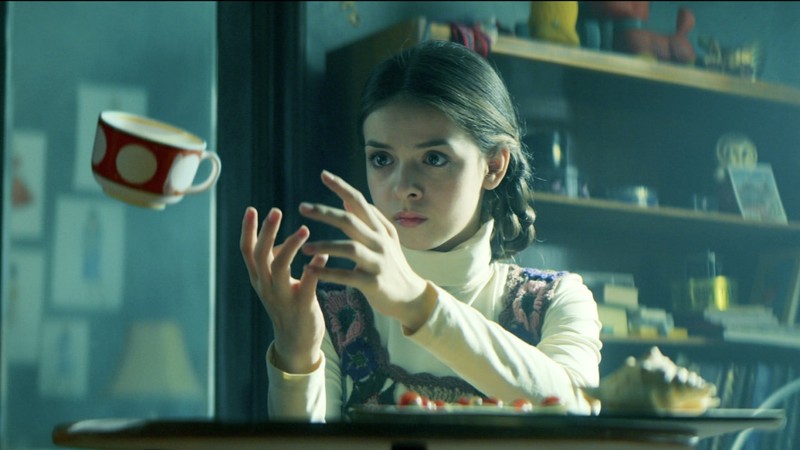
having an ability to move objects, or to make them change shape, using only the power of the mind: telekinetic powers.
How common is a minds eye?
Based on research by Zeman and colleagues, experts estimate that around 0.7% of people have aphantasia, while around 2.6% of people have the opposite—an extraordinarily strong mind's eye, referred to as hyperphantasia.
5 SIGNS THAT YOU ARE CLAIRVOYANT AND DIDN’T KNOW ABOUT IT by Dr. Manmit Kumarr
1. YOU ARE A VISUAL PERSON: You think through “seeing”. For example, if you tell me about your recent experience eating ice cream, it will run like a movie in my mind. I can almost see you eating a pink ice cream wearing a yellow dress and standing near the ice cream parlour door.
Or maybe you learn through Visuals, like they say: “A picture is worth a thousand words”
Is your learning style Visual? Are you creative? Do you work in the field of Graphic designing, Painting, Art, Textile designing or advertising or even play with colors and visual effects? “It is likely then that Clairvoyance is your natural gift.”
2. YOU CAN SEE AURAS: Aura is a layer of energy around living things. Yes, even plants have Auras! My friend one day suddenly realized that she could see Auras. She was sitting with her Editor and she could see a greenish yellowish light around his head.
Can you see a layer of color surrounding people, animals or things? This is part of Clairvoyance.
3. YOU SEE FLASHES OF COLOUR:
Child prodigies: the mystery behind their genius minds
Many people can see a flash of a colour suddenly in a room- sometimes it could be from the corner of your eye.
Children can see this much more clearly than adults. In fact as children, we all had this ability. However, when kids tell adults about this, they receive discouragement, or they are told that it is their imagination. And sadly, this gift starts disappearing.
4. YOU SEE VIVID DREAMS AT NIGHT
Your ability to see dreams that run like a movie is strong. Do you see clear, vivid dreams? It may be that you can/t remember all of them in the morning. Clairvoyants usually see dreams that are crystal clear- they are even colourful!
Most of my childhood dreams were clear and I could easily remember them. Yet, I was puzzled as in those dreams, I was a grown up person. I later realized that what I was seeing were my past lives!
5. YOU ARE ABLE TO “SEE” A FUTURE INCIDENT
Sometimes, you may be able to clearly see what is going to happen. Many people freak out when this happens- but this is Clairvoyance!
My friend, who was living in US, had to come to India for a wedding. As the travel date drew closer, she had clear flashes of vision where she saw the airplane through a lot of turbulence. She saw people crying and praying.
if a child has superpowers
This made her very uncomfortable- more so as the date grew closer. Much against everyone’s logic, she postponed her trip. She later came to know that the same flight that she was to board met with an accident. Her Clairvoyance had saved her life!
If you have more than 3 of the above, you are a Clairvoyant. Practice your gift more to sharpen your skills.
If you have 3 or less than that, then you are on this journey. You can have Clairvoyance with practice.
If you have less than 1, don’t lose heart. You have another ability- perhaps Clairaudience, Clair cognizance or Clairsentience.
Character Powers / Occult: From sources across the web
Magic and Witchcraft: There is no good magic in Islam and، Witchcraft or magic is falsehood, and all kinds of falsehood are kufr and evildoing.
Clairvoyance
Precognitionfoxes have a 'sixth sense'
Telekinesis
Divination
Black magic
Telepathy
Alchemy
...
What is the meaning of occult powers?
of or relating to magic, astrology, or any system claiming use or knowledge of secret or supernatural powers or agencies. beyond the range of ordinary knowledge or understanding; mysterious.
Synonyms: supernatural, metaphysical, esoteric, arcane. secret; disclosed or communicated only to the initiated.
What are the 4 Clairs of intuition?
The “four clairs": clairaudience (hearing voices), clairvoyance (seeing images), clairsentience (recognizing feelings), and claircognizance (knowing)
Metempsychosisis a concept from Greek philosophy which is similar to reincarnation.
metempsychosis/ˌmɛtəmsʌɪˈkəʊsɪs/
metempsychosis. n. transmigration of the soul, whereby upon death a soul takes up residence in another body, human or animal.
Metempsychosis is also called "transmigration of souls" and describes the process of a soul being transferred to another body after death. This transfer can happen between any human and / or animal body. For example, a human can come back as another human, or as a bird or animal or reptile of some kind. Likewise, animal souls can come back as human. Metempsychosis is different from reincarnation because the soul is not going "up" or "down" the ladder as a result of good or bad actions in life. Instead, the soul chooses a new body as a way of gaining diverse experiences.
World without an end
Pythagoras was the first to theorize metempsychosis as a potential life after death experience, and then Plato expounded on the theory in his Republic. While it is unclear whether Plato actually believed in metempsychosis, he was responsible for its popularization. In Plato's story, a warrior called Er travels to another, immortal realm, and then brings back knowledge to the mortal realm. While he is there, he sees metempsyschosis happening. The souls of the dead are congregated, choosing new bodies to inhabit—animals choosing to become different animals, men choosing to become other men, birds choosing to become men, and even gods choosing to become athletic heroes. When the soul had decided on its new home, it was told to drink from the River Lethe, and then sent down to earth to be born. There are some instances in the Bible of fallen angels taking on human or animal form (Genesis 3:1–7; 6:1–4) and of holy angels appearing as men (Mark 16:5) but this is not considered metempsychosis because the spirit is only inhabiting a body for a short period of time, not taking ownership of it until death.
While metempsychosis is a rather poetic idea, it is not a biblical one. Metempsychosis, reincarnation, and all other iterations of this myth are refuted by the Scriptures, which say that man has only one chance to live and only one time to die, after which he must face the judgment of a holy God (Hebrews 9:27). The reincarnation concept takes the pressure off of men by delaying, or even entirely eliminating the judgment of God. But it is very clear that God will judge each man according to the things he has done while in the body (2 Corinthians 5:10).
This should be sobering, and even frightening, when we think of the things we have done throughout our lives and the fact that God is completely holy and just, and cannot tolerate anything less than perfection to enter His presence. But God's character is also merciful and He is "a shield for all those who take refuge in him" (2 Samuel 22:31). This was proven by the life of Jesus, who came to live a perfect life and then die as a perfect sacrifice which (by its perfection and its eternal nature) could satisfy the justice of God on our behalf. Every man and woman must stand before God. Those who trust in their own good works to save them will fall short (Romans 3:20). But all who trust in Christ's righteousness rather than their own will be saved (John 3:16–18; Romans 5:1–2; 1 John 2:2).
Apocalypse, flood, destruction
To the Stoics and Pythagoreans the term “palingenesis” was equivalent to metempsychosis or reincarnation. By reconstructing plants from their own ashes the alchemists sought to prove not only that consciousness and intelligence survive the annihilation of the psychical structure, but that they retain the individuality they formerly possessed and remain as organized forces. The term palingenesis was also used to indicate the rebirth of the universe from its periodic sleep or the replenishment of the earth after a cataclysm, such as the Flood. The ancient philosophers, considering the planet as a living organism, attributed to it those various phases of life through which all forms seemingly pass: birth, growth, and decay. In India the alternating periods of cosmic activity and inertia are referred to as the Days and Nights of Brahma. Schopenhauer used the term palingenesis to signify the survival of the will and its manifestation in new personalities. Some students of Hermetic philosophy affirm that by means of palingenesis it would be possible to resurrect the human body even at a long interval after death. Those attempting this experiment attacked their problem without a proper understanding of the issues involved, for no Hermetic formula should be taken literally. Palingenesis is actually the resurrection of the spiritual soul from the irrational material organism. The human body is the Hermetic bottle. The Tree if the Soul is burned by human degeneracy; by palingenesis, however, it is proved that no matter how low man may descend in vice and degradation the spiritual elements are not lost, but can be reassembled by alchemical art, and the Tree of Life caused to grow again within the human nature.
When Pythagoras was asked why humans exist, he said, “to observe the heavens”. He practiced divination and prophecy. he usually appears either in his religious or priestly guise, or else as a lawgiver.
تناسخ, انتقال روح پس از مرگ از جسمى به جسم دیگر است, خواه جسم دوم جسم انسان باشد خواه جسم حیوان یا گیاه یا جماد. در زبان انگلیسى, واژه tansmigration و metempsychosis که غالباً درباره انتقال روح به بدن انسان یا حیوان به کار مى رود و از واژه یونانیِ meta+psyche :روح, نفس«دوباره, گرفته شده است, متداول ترین واژه ها براى اشاره به این مفهوم است. (واژه هاى دیگر عبارتند از rebirth به معناى تولد دوباره که بیشتر در ادیان هندى به کار مى رود, reincarnatio به معناى تجسد دوباره, palingenesis از یونانى: palin+genesis به معناى تکوین« دوباره و metensomatosis از واژه یونانى به معناى meta+soma جسم«دوباره.) در منابع اسلامى علاوه بر اصطلاح تناسخ, گاه از واژه هاى دیگرى چون عود, نقل یا انتقال نفس و رجعت روح (که البته با رجعت اصطلاحى در نزد شیعه متفاوت است) استفاده شده است. چهار اصطلاح نَسخ, مَسخ, رسخ و فسخ معمولاً اقسام تناسخ شمرده شده اند و به ترتیب بر انتقال روح انسان به جسم انسان ,حیوان, گیاه و جماد دلالت دارند (ایجى, 374; تهانوى, ذیل واژه (تناسخ); براى تعاریف دیگر, نک: ابن حزم, 1/165; حلى, 399; سبزوارى, 5/195). اصطلاح تناسخ معمولاً جامع همه اقسام پیش گفته است. دو قسمتناسخ صعودىو نزولى را نیز براى اشاره به سیر از مراتب پایین به بالا و به عکس به کار برده اند. براى مثال انتقال روح از جسم انسان به جسم گیاه, تناسخ نزولى است و عکس آن, تناسخ صعودى نام دارد. تناسخ هم چنین به معناى فرا رفتن از جسم انسانى ـ براى مثال تعلق یافتن به اجرام سماوى یا تبدیل شدن به ملائک ـ به کار رفته است (طبرسى, 2/344; ایجى, همان جا, ملاصدرا, 3/438).
Social Palingenesis | Musée des Beaux Arts
صورت هاى مختلفى از اعتقاد به تناسخ از قدیم ترین ایام در سراسر جهان وجود داشته است. سابقه این اعتقاد حتى بنا به شواهدى ـ البته بحث انگیز ـ ممکن است به دوره پارینه سنگى باز گردد. در میان جوامع متمدن, هند از قدیمى ترین منابع این اعتقاد است. در آیین هاى مختلف هندى, از جمله آیین بودا, هندو, جاین و سیک, از دیرباز صورت هاى متنوعى از تناسخ رایج بوده است (نک: ابوریحان بیرونى, تحقیق ماللهند). امروزه نیز تأثیر و جاذبه آیین بوداست که اهمیت مفهوم تناسخ را هم در سطح فرهنگ عمومى و هم در مباحث تخصصى فلسفه دین که عمدتاً ناظر به مسیحیت بوده, افزایش داده است. یونانیان باستان تناسخ را مى شناختند, اما خاستگاه این اعتقاد در میان آنان به درستى معلوم نیست. یونانیان خاستگاه اعتقاد به تناسخ را مصر مى دانستند, البته درباره صحت این انتساب تردید وجود دارد (براى اطلاعات بیشتر, نک: دایرةالمعارف دین, ذیل مدخلِ Transmigration و Reincarnation; دایرةالمعارف دین و اخلاق, ذیل Transmigration, Greek and Roman). افلاطون ـ احتمالاً به پیروى از سنت فیثاغورثى ـ اورفه اى ـ فرض تناسخ را در چند رساله از جمله فایدون, فدروس, جمهور و تیمائوس مطرح کرد. همین سنّت از افلاطون به نوافلاطونیان و گنوسیان (Gnostics) منتقل شد. در مسیحیت فرقه هاى مختلف گنوستیک مانند کاتارها (Cathars) از جمله فرقه آلبیگائیان (Albigenses) و مانویان, آن را ادامه دادند. در جهان اسلام, رواج فلسفه یونان و نیز تأثیر و حضور مانویت از اسباب تداوم آن نزد فیلسوفانى چون محمد بن زکریاى رازى و احتمالاً الاهى دانانى چون ابن ابى العوجاء شد (براى تفصیل قول رازى درباره تناسخ نک: محمدابن زکریاى رازى, 284ـ286; 96ـ97; ابوحاتم رازى, 12, 62). همین جریان نزد یهودیان از طریق مانویت و فلسفه نوافلاطونى بر اهل قباله اثر نهاد (نک: دایرةالمعارف دین, همان جا دایرةالمعارف دین و اخلاق, ذیل Transmigration, دایرةالمعارف یهود, ذیل Gilgul; شولم, 242ـ243, 250, 280ـ284).
تناسخ یک مفهوم مرتبط با سرنوشت پس از مرگ است. پس از مرگ, یا انسان فنا مى شود, یا روحى مستقل از جسم که با مرگ جسم نمى میرد بقاى انسان را به صورت مجرد و بدون جسم تضمین مى کند, یا بقاى انسان از طریق اعاده جسم یا از طریق رستاخیز روح و جسم با هم در روز قیامت تأمین مى شود و یا روح در همین دنیا در بدن هاى متعدد به حیات خود ادامه مى دهد. هم چنین با توجه به بحث عالم مثال نزد بعضى فیلسوفان اسلامى, مى توان فرض کرد که انسان از طریق بدنى مثالى بقا داشته باشد. البته, باید توجه داشت که هرچند باور به حیات پس از مرگ عموماً متضمن اعتقاد به امرى غیر جسمانى و جدا از بدن مادى بوده است, باور به روح به معنایى که در غرب و جهان اسلام وجود دارد لازمه تناسخ نیست, چنان که در مکتب تراوادا در آیین بودا هیچ جوهر نفسانى پایدارى وجود ندارد (نک: دایرةالمعارف دین, ذیل Transmigration). هسته مفهوم تناسخ همان حضور روح در جهان جسمانى پس از مرگ است, اما علل و دلایل اعتقاد به آن و کارکرد آن در نظام هاى مختلف فکرى بسیار متنوع است. اصولاً از آن جا که تناسخ در زمینه هاى متفاوتى شکل گرفته است, ادله رد یا اثبات آن نیز متنوع و تابع زمینه تکوین آن بوده اند. درباره بسیارى از معتقدان به تناسخ نمى توان از دلیل اعتقاد سخن گفت, بلکه باید به اسباب و علل رجوع کرد. این امر به ویژه درباره فرهنگ هاى ابتدایى مصداق دارد. جاندارپندارى (Animism) یا نسبت دادن نفس به اشیاء غیر جاندار از عللى است که زمینه روانى این اعتقاد را در میان مردمان بدوى ایجاد کرده است. هم چنین تناسخ در ارتباط با نگرش بدوى به دورى بودن سرشت وجود که مستلزم بازگشت نیاکان به زندگى است, پدید آمده است.
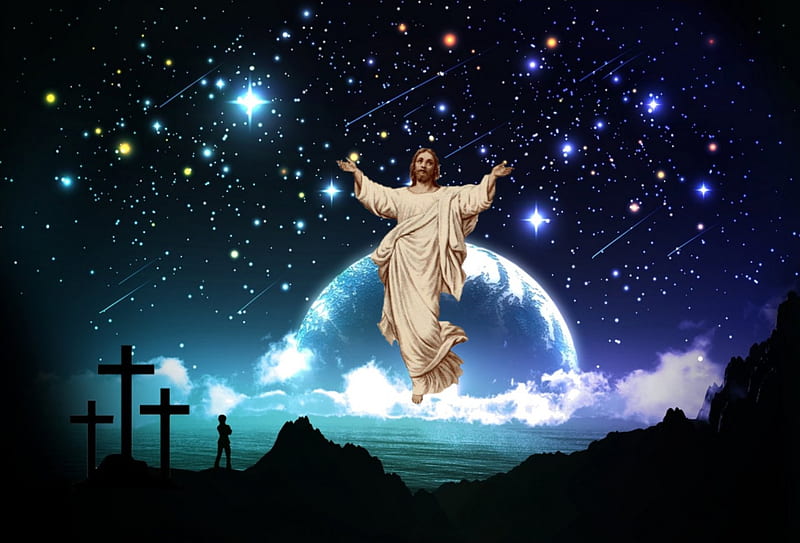
Ascension, heaven, christ, jesus
آموزه سرشت دورى وجود در مراحل متأخرتر فرهنگى نیز نزد بسیارى از معتقدان به تناسخ مشاهده مى شود; براى مثال اوریگن, متکلم مسیحى قرن سوم, هم به تناسخ معتقد است و هم به تکرار دایره وار رخدادها (دایرةالمعارف کاتولیک, ذیل Origen و metempsychosis). در میان اقوام ابتدایى به و یژه در استرالیاى مرکزى و غرب آفریقا تناسخ با توتمیسم (Totemism) و کیش پرستش نیاکان همراه است که یکى از علل آن شباهت نسل هاست, امرى که موجب تصور بازگشت نسل پیشین به صورت اخلاف خود مى شده است. در فرهنگ هاى پیشرفته تر تناسخ در زمینه اى اخلاقى بسط مى یابد. وضع خوب یا بد هرکس در زندگى, نتیجه اعمال او در زندگى یا زندگى هاى سابق خود او تلقى مى شود. در آیین هندو حتى خود فرایند تناسخ نوعى کیفر شمرده مى شود که باید از آن گریخت (براى اطلاعات بیشتر, نک: دایرةالمعارف دین و اخلاق, ذیل Transmigration, introductory and primitive). علت و غایت و نحوه تحقق جریان تناسخ نیز متنوع است. در بعضى صورت هاى تناسخ, تأکید بر انتقال روح انسان به جسم انسان دیگر است, اما صورت هاى دیگرى هم وجود دارد که انتقال به بدن حیوان یا گیاه یا جماد را در بر مى گیرد. هم چنین به رغم آن چه در آغاز به نظر مى رسد, تناسخ مستلزم وجود پیشین روح, یعنى قِدَم آن نیست; برخى معتقدان به تناسخ معتقد به حدوث روح بوده اند و حتى برخى از تناسخیان جهان اسلام به معاد جسمانى اعتقاد داشته اند (نک: ابن مرتضى, 74, فخر رازى, 1, 7/201). درباره زمان رخ دادن تناسخ عقیده رایج آن است که بلافاصله پس از مرگ صورت مى گیرد, اما این امر به معناى رخ دادن آن بر روى زمین نیست, زیرا تناسخ مى تواند در مکان دیگرى مثل آسمان واقع شود. علاوه بر این, در مواردى یک دوره موقت میان لحظه مرگ و لحظه تناسخ فرض مى شود. این فرض ها و امکان ها فرضیه تناسخ را از ابطال پذیرى تجربى مصون مى دارد (نک: دایرةالمعارف فلسفه, ذیل Reincarnation).
ییکى از عام ترین و عمده ترین زمینه هاى اعتقاد به تناسخ, تصور اصالت روح و نفى دخالت جسم در هویت انسان است. در آیین هاى هندى, در تفکر اورفه اى فیثاغورثى و از آن جا نزد افلاطون و نوافلاطونیان و در بسیارى فرقه هاى گنوستیک چنین تصورى مشاهده مى شود. مطابق این تصور, انسان همان روح یا نفس مجردى است که در جسم مادى اسیر است و وقتى حیات حقیقى مى یابد که از قید تن رها گردد. بر این اساس, کسى که پاکى و تجرد لازم براى چنان حیاتى را در طول زندگى دنیوى خود کسب نکند به ناچار از جهان معنوى باز نمى ماند و به جسم باز مى گردد تا زمانى که به تمامى تزکیه شود. در مقابل, ادیان ابراهیمى بر مبناى نگرش خود به وجود انسان که مشعر بر اهمیت توأمان جسم و روح در هویت انسان است, از رستاخیز یا معاد جسمانى دفاع کرده و تناسخ را رد کرده اند. لفظ و مفهوم تناسخ در قرآن نیامده است و اصطلاح مسخ از اقسام تناسخ, با مفهوم قرآنى مسخ متفاوت است. مسخ در قرآن بر معنایى دلالت دارد که در زبان انگلیسى با لفظ metamorphosis نشان داده مى شود و تغییر شکل جسم انسان به صورت حیوان را مى رساند. این شباهت لفظى موجب شده است که بعضى از معتقدان به تناسخ, براى تأیید عقیده خود به آیات حاکى از مسخ استناد کنند. با این حال, تعالیم قرآن درباره معاد و سیر خطى تاریخ و حیات انسان ها چنان روشن است که ناسازگارى آن با تناسخ را براى مسلمانان راست کیش, مسلّم کرده است. با رواج اعتقاد به تناسخ در میان مسلمانان که از نخستین سده هاى هجرى و در میان غُلاة آغاز مى شود, روایات و احادیث ناظر به تناسخ نیز پدید آمده است. در روایات اهل سنت و شیعه به تناسخ اشاره شده و اعتقاد به آن محکوم شده است. حدیث شیعى (من قال/دان بالتناسخ فهو کافر) از این جمله است (براى نمونه احادیث شیعى نک: صدوق, 1/218; حر عاملى, 28/341; مجلسى, 4/320ـ321, 10/176ـ177, 25/136, 273; براى نمونه احادیث اهل سنت نک: جصاص 2/55; ابن حجر, 2/155).
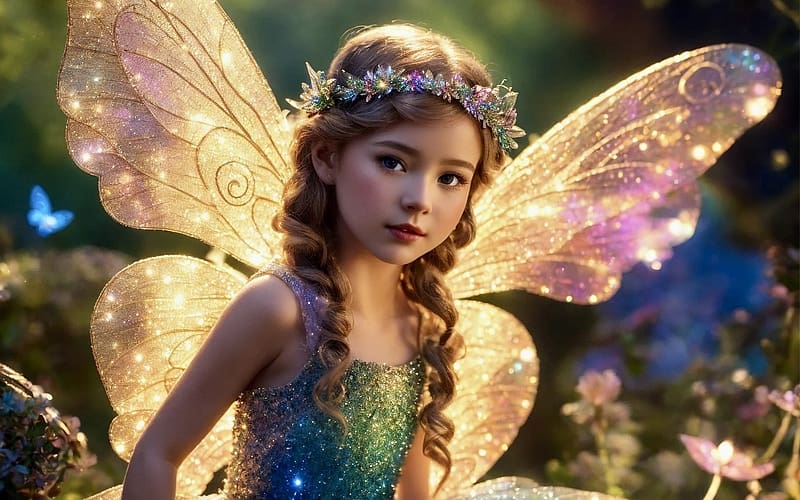
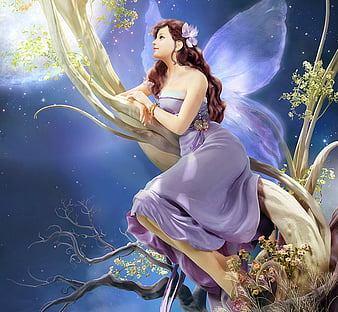
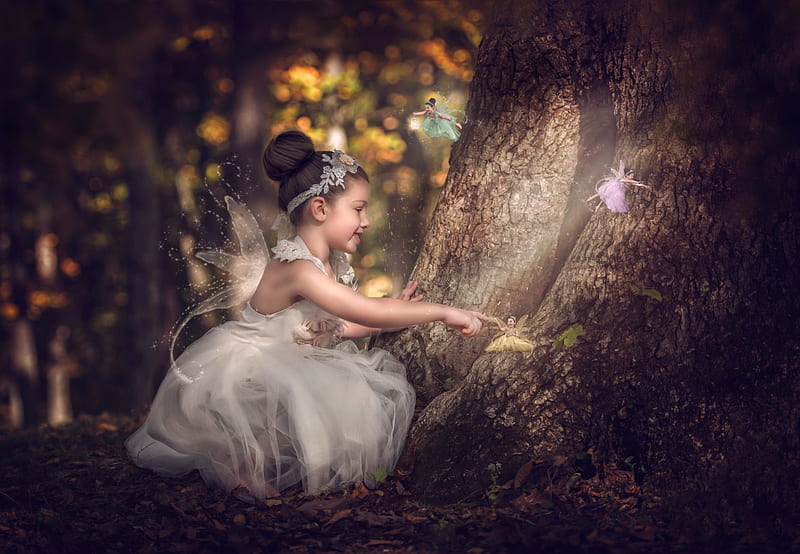
– Fairies are of the earth and angels are from the heavens. – Angels are religious and fairies, not so much, although some do regard them as spiritual beings. (It's optional for druids, apparently.) – Fairy wings look like insect wings, similar to dragonfly or butterfly wings
A fairy (also fay, fae, fey, fair folk, or faerie) is a type of mythical being or legendary creature, generally described as anthropomorphic, found in the folklore of multiple European cultures (including Celtic, Slavic, Germanic, and French folklore), a form of spirit, often with metaphysical, supernatural, or preternatural qualities.
Myths and stories about fairies do not have a single origin, but are rather a collection of folk beliefs from disparate sources. Various folk theories about the origins of fairies include casting them as either demoted angels or demons in a Christian tradition, as deities in Pagan belief systems, as spirits of the dead, as prehistoric precursors to humans, or as spirits of nature.
The label of fairy has at times applied only to specific magical creatures with human appearance, magical powers, and a penchant for trickery. At other times it has been used to describe any magical creature, such as goblins and gnomes. Fairy has at times been used as an adjective, with a meaning equivalent to "enchanted" or "magical". It is also used as a name for the place these beings come from, the land of Fairy.
Jinn and Fairies
I recently read an article in The Economist about jinn and modern Muslim attitudes toward them. As I was reading, there were several parts that made me think about some of the modern (well, past 150 years or so) fairy lore. I'm not saying that there's a direct connection in terms of cultural influence, but I'm wondering if this might shed some light on how people in Celtic countries thought about the gods/spirits/fairies.
Fairy tales often have clear messages about right and wrong, good and evil. These straightforward messages make it easy for children to grasp positive values and morals.
Through engaging and memorable stories, children absorb lessons on hope, kindness, honesty, courage, and the importance of making good choices.
"THERE is a cleft in a stone hill outside Qardho, in northern Somalia, which even the hardest gunmen and frankincense merchants avoid. In the cool dark, out of the bleached sunshine, there is a pit, a kind of Alice in Wonderland rabbit hole, which is said to swirl down into the world of jinn. Locals say jinn—genies, that is—fade in and out above the pit. Sometimes they shift into forms of ostriches and run out over the desert scrub."
Why do kids like fairy tales so much?
Fairy tales create a symbolic and imaginative setting, separate from reality, that helps children explore and overcome their personal pressures and worries. They feel safe in this detached place because they are able to escape reality and deal with their anxieties without the fear of danger or pain from the real world.
A fairy tale (alternative names include fairytale, fairy story, household tale,magic tale, or wonder tale) is a short story that belongs to the folklore genre. Such stories typically feature magic, enchantments, and mythical or fanciful beings. In most cultures, there is no clear line separating myth from folk or fairy tale; all these together form the literature of preliterate societies.Fairy tales may be distinguished from other folk narratives such as legends (which generally involve belief in the veracity of the events described) and explicit moral tales, including beast fables.
I thought this section was interesting in general, but the last paragraph in particular (to me) is an intelligent and thoughtful way to describe spirits:
"Although Somalia and Afghanistan have different religious traditions (Somalia being more relaxed), jinn belief is strong in both countries. War-ravaged, with similarly rudimentary education systems, both have a tradition of shrines venerating local saints where women can pray. Women are supposed to be more open to jinn, particularly illiterate rural women: by some accounts education is a noise, a roaring of thought, which jinn cannot bear. Sometimes women turn supposed jinn possession to their own advantage and become fortune-tellers. Among the most popular questions asked of such women is: “Will my husband take a second wife?” The shrines are often little more than a carved niche in a rock, with colourful prayer flags tied to nearby trees. Jinn are said to be attracted to the ancient geography of shrines, many of which predate Islam; as some have it, the shrines were attracted to the jinn.
Fairy Tales Based on True Stories
Why do kids like fairies?
It's frequently said that children are especially able to see the fairies- perhaps because of their innate innocence, perhaps because they are endowed with a sort of second sight and so are open to wonder and magic and are not closed off mentally by rationality and 'good sense,' as adults can be.
Can jinn fall in love with humans?
Yes, they can and do. There are numerous stories of spirits or Jinns that take a fancy to human beings and attach themselves much like humans try to do when they fall in love.
Are djinn good or evil?
Djinni are stated to not be good or evil, but the term Jinn has also been used to describe early abrahamic and zorastrian angels and devils.
So here's my question: Do you think that the Celts might have thought of their gods (or local spirits) in the same way -- as beings that have essentially a mortal existence in a parallel plane, who are always present but cannot be seen, who can take different forms when they do enter this world? If so, what does that imply for our own practice?
خرافات Superstitions (جمع واژه عربی خرافه) به معنی اعتقاد غیرمنطقی و ثابت نشده به تأثیر امور ماورای طبیعت در امور طبیعی و به عبارت دیگر، هر نوع پندار عجیب برای مردم عوام است یعنی عقاید غیرواقعی. معمولاً خرافات ریشه در گرایشهای درونی یا باطنی در زندگی بشر داشتهاند و به مرور تبدیل به خرافه شدهاند. آنچه که از نظر اکثر فیلسوفان مورد قبول است، این است که هیچ تعریف مشخص و همه پسندی دربارهٔ خرافه وجود ندارد و تعریفی که از خرافه به معنای امر موهوم در ذهن مردم است، بسیار نامشخص و گُنگ به نظر میرسد.
A superstition is any belief or practice considered by non-practitioners to be irrational or supernatural, attributed to fate or magic, perceived supernatural influence, or fear of that which is unknown. It is commonly applied to beliefs and practices surrounding luck, amulets, astrology, fortune telling, spirits, and certain paranormal entities, particularly the belief that future events can be foretold by specific unrelated prior events.
The word superstition is also used to refer to a religion not practiced by the majority of a given society regardless of whether the prevailing religion contains alleged superstitions or to all religions by the antireligious.
هر دستگاه دینی تمایل به گردآوری خرافات به عنوان باورهای محیطی دارد، برای مثال، یک مسیحی ممکن است بر این باور باشد که در مواقع دشواری اگر کتاب مقدس را بهطور تصادفی باز کند و متنی را که برای اولین بار به چشمش میخورد بخواند، راهنمایی میشود!غالباً مذهب یک فرد خرافات دیگری است: امپراتور روم، کنستانتین بزرگ، از برخی اعمال غیر مسیحی به عنوان خرافه یاد کرد. تاسیتوس مورخ رومی مسیحیت را یک خرافه مخرب نامید. بسیاری از پروتستانها ادای احترام کلیسای کاتولیک به آثار، تصاویر و مقدسین را خرافه دانستهاند. مسیحیان بسیاری از اعمال هندو را خرافه میدانند و پیروان همه ادیان ممکن است رابطه اقوام بومی استرالیا با توتم را خرافهای بدانند. سرانجام، ممکن است همه باورها و اعمال مذهبی برای فرد بدون دین خرافاتی به نظر برسد.
خرافه اعتقادی یا عملی است که معمولاً ناشی از جهل یا سوءتفاهمی از علم یا علیت، اعتقاد به سرنوشت، تأثیر ماوراطبیعی درک شده یا ترس از آنچه ناشناخته است. معمولاً در مورد عقاید و اعمال پیرامون شانس، پیشگویی و به ویژه برخی موجودات معنوی این باور وجود دارد که میتوان رویدادهای آینده را با وقایع قبلی خاص (ظاهراً) غیرمرتبط، پیشگویی کرد. کلمه خرافات غالباً برای دینی به کار میرود که اکثریت جامعه معین عمل نمیکند فارغ از اینکه آیا دین غالب حاوی خرافات ادعایی است.
اعتقاد بر این است که عمل خرافاتی قرار دادن میخ زنگ زده در یک لیمو، بد و بهطور کلی شر را دفع میکند، همانطور که در متن عامیانه باورهای عمومی و خرافات از یوتا شرح داده شدهاست.
شناسایی چیزی به عنوان خرافات عموماً انتقادی است. مواردی که در اصطلاح عامیانه به این موارد گفته میشود معمولاً به عنوان اعتقاد عامیانه در فرهنگ عامه شناخته میشود.
واژهشناسی
واژه خرافه از عربی گرفته شدهاست؛ در روایتی از محمد، پیامبر مسلمانان، نقل شدهاست که خرافه مردی از قبایل یمن بودهاست که مدتی توسط اجنه ربوده شد و پس از مدتی به قبیله اش بازگشت؛ پس از آن هنگامی که رویدادهای عجیب از زندگی جنیان را بیان میکرد، در میان اعراب به شهرت رسید.در عربی، به هر سخن عجیب که از عالمی غیر از عالم بشری و علم و تجربه انسانی آگاهی میداد، حدیث خرافه میگویند.
خرافات و دین
همچنین ببینید: روانشناسی فرگشتی دین، منشأ فرگشتی ادیان، و خرافات در جوامع مسلمان
افراد معتقد به دین (هر دینی) باور دارند که خرافات شامل عقاید دینی و مذهبی نمیشود چرا که از دستورهای خدا و پیامبران گرفته شده ولی بسیاری از اندیشمندان و عقلگرایان بر این باورند هر گونه عقیده دینی و مذهبی هم میتواند خرافه باشد.
در دین اسلام ریشه خرافات در ضعف ایمان دانسته شده و نقل شدهاست اگر میزان ایمان و اعتقاد به پروردگار در فرد کم شود به همان اندازه میزان میل به خرافات در او بیشتر میشود، و چه بسا افرادی که با باور خرافات غلط زیانهای شدید و گاهن غیرقابل جبرانی دیدهاند.
Well-Known Superstitions and their Meanings
مشرکان یونان و روم، که روابط خود را با خدایان از نظر سیاسی و اجتماعی الگوبرداری میکردند، مردی را که از فکر خدایان دائماً از ترس میلرزید، مورد تمسخر قرار میدهند، زیرا بردهای از یک استاد ظالم و دمدمی مزاج میترسد. مقصود رومیان از «خرافات» چنین ترس از خدایان بود (وین، ۱۹۸۷، ص ۲۱۱).
دائرةالمعارف دیدرو خرافه را چنین تعریف میکند: «بهطور کلی هر گونه افراط در دین»، و آن را بهطور خاص با بتپرستی پیوند میدهد.
تعلیم و دستور مذهبی فعلی کلیسای کاتولیک، خرافات را گناه آلود میداند به این معنا که نشانگر «افراط و تفریط دین» است، به عنوان عدم اعتماد به مشیت الهی (۱۰ ۲۱۱۰)، و نقض اولین فرمان از ده فرمان، گناهکار است. Catechism دفاعی در برابر اتهام خرافاتی بودن آموزه کاتولیک است:
خرافات انحراف از احساس مذهبی و اعمال این احساس است. این حتی میتواند در پرستش ما خدای واقعی تأثیر بگذارد، به عنوان مثال، وقتی شخصی به طریقی جادویی به برخی از اعمال غیرقانونی و ضروری اهمیت میدهد. نسبت دادن کارایی دعاها یا نشانههای اسرار آمیز به صرف عملکرد خارجی آنها، جدا از موازین درونی که آنها خواستار آن هستند، سقوط در خرافات است. رجوع کنید به متی ۲۳: ۱۶–۲۲
خرافه، اعتقاد، نیمهاعتقاد یا عملی که ظاهراً هیچ ماده منطقی برای آنها وجود ندارد. کسانی که از این اصطلاح استفاده میکنند دلالت بر این دارند که دارای دانش یا شواهد برتر برای اعتقادات علمی، فلسفی یا مذهبی خود هستند. یک کلمه مبهم، احتمالاً نمیتواند جز به صورت ذهنی مورد استفاده قرار گیرد. با در نظر گرفتن این صلاحیت، خرافات را میتوان تقریباً به عنوان مذهبی، فرهنگی و شخصی طبقهبندی کرد.
روم باستان
پولیبیوس مورخ یونان باستان در کتاب «تاریخها (پولیبیوس)» واژه «خرافات» را به کار میبرد و توضیح میدهد که در روم باستان خرافات، انسجام امپراتوری روم را حفظ میکند و بهعنوان «ابزار قدرت عمل میکند.
خرافات و روانشناسی
دیدگاه رفتارگرایی
در سال ۱۹۴۸، روانشناس رفتاری B.F. Skinner مقاله ای در ژورنال روانشناسی تجربی منتشر کرد، که در آن کبوتران خود را توصیف کرد که به نظر میرسد رفتار خرافی است. یک کبوتر در قفس خود در حال چرخش بود، دیگری با حرکت آونگ سر خود را تاب میداد، در حالی که دیگران رفتارهای مختلف دیگری را نیز نشان میدادند. از آنجا که این رفتارها همه به صورت تشریفاتی و در تلاش برای دریافت غذا از یک توزیع کننده انجام میشد، حتی اگر از ابتدا برنامهریزی شده بود که بدون در نظر گرفتن عملکرد کبوترها، غذا را در فواصل زمانی مشخص آزاد کند، اسکینر معتقد بود که کبوترها سعی میکنند بر تغذیه آنها تأثیر بگذارند با انجام این اقدامات برنامهریزی کنید. وی سپس این را به عنوان گزارشی در مورد ماهیت رفتار خرافی در انسان گسترش داد.
نظریه اسکینر در مورد خرافات بودن نوع رفتار کبوترها توسط روانشناسان دیگری مانند استادون و زیملهاگ به چالش کشیده شدهاست، و آنها توضیح متفاوتی برای رفتار کبوترها ارائه میدهند.
علیرغم چالشهایی که تفسیر اسکرین از ریشه رفتار خرافی کبوترهایش به چالش میکشد، برداشت او از برنامه تقویت برای توضیح رفتار خرافی در انسان استفاده شدهاست. در اصل، در تحقیقات حیوانات اسکینر، «بعضی از کبوترها تا زمانی که در ابتدا به صورت تقویت متناوب شرطی شده بودند، ۱۰ هزار بار بدون تقویت پاسخ دادند.» در مقایسه با سایر برنامههای تقویت کننده (به عنوان مثال، نسبت ثابت، فاصله ثابت)، این رفتارها بیشترین مقاومت را در برابر انقراض داشتند. این اثر تقویت جزئی نامیده میشود، و این برای توضیح رفتار خرافی در انسان استفاده شدهاست. به عبارت دقیق تر، این تأثیر به این معنی است که، هرگاه فردی عملی منتظر تقویت را انجام میدهد و هیچکدام به نظر نمیرسد، در واقع یک حس پایداری را در فرد ایجاد میکند. این امر به شدت با رفتار خرافی در انسان موازی است زیرا فرد احساس میکند، با ادامه این عمل، تقویت اتفاق میافتد. یا اینکه تقویت در بعضی مواقع در گذشته به دلیل این عمل صورت گرفتهاست، گرچه نه همیشه، اما این ممکن است یکی از آن زمانها باشد.
How to overcome superstitious thinking
دیدگاه تکاملی / شناختی
از یک منظر سادهتر، انتخاب طبیعی تمایل به تقویت ارتباطات ضعیف یا اکتشافی است که بیش از حد عمومی شدهاست. اگر ایجاد پیوندهای صحیح یک مزیت بقا قوی داشته باشد، این امر منفی ساختن بسیاری از انجمنهای نادرست و «خرافی» خواهد بود. همچنین بحث شدهاست که ممکن است بین OCD و خرافات ارتباطاتی وجود داشته باشد. این ممکن است به بهداشت مرتبط باشد.
یک نظریه اخیر توسط جین رایزن پیشنهاد میکند که خرافات شهودی هستند که مردم تصدیق میکنندنادرست هستند، اما وقتی به عنوان ارزیابی شهودی یک موقعیت به وجود میآیند، به جای اصلاح آنها، از آن رضایت میگیرند.
نظریه وی از مدلهای استدلال با فرایند دوگانه استفاده میشود. در این دیدگاه، خرافات خروجی استدلال "سیستم ۱" هستند که حتی وقتی توسط "سیستم ۲" گرفتار شوند اصلاح نمیشوند.
مکانیسمها
به نظر میرسد مردم معتقدند که خرافات به جای ایجاد نتایج احتمالی جدید، با تغییر احتمال نتایج احتمالی فعلی، بر وقایع تأثیر میگذارند. به عنوان مثال، در رویدادهای ورزشی، تصور میشود که یک مراسم یا اشیا خوش شانس، شانس اجرای یک ورزشکار را در اوج توانایی خود افزایش میدهد، نه اینکه توانایی کلی وی را در آن ورزش افزایش دهد. در نتیجه، افرادی که هدفشان عملکرد خوب است، بیشتر به «کمکهای فراطبیعی» - اقلام و تشریفات خوش شانس - اعتماد میکنند تا افرادی که هدف آنها بهبود مهارتها و تواناییهای خود و یادگیری در همان زمینه هستند.
روانشناس استوارت ویز خاطرنشان کرد که تا حدود سال ۲۰۱۰، "محققان معتقد بودند که خرافات غیر منطقی بوده و توجه خود را معطوف به کشف خرافات افراد میکردند." ویس در ادامه مطالعاتی را توصیف کرد که به رابطه بین عملکرد و آیینهای خرافی نگاه میکردند. کارهای مقدماتی نشان دادهاند که چنین تشریفاتی میتوانند استرس را کاهش دهند و در نتیجه عملکرد را بهبود ببخشند، اما، ویس گفت، "... نه به دلیل اینکه آنها خرافات هستند بلکه به دلیل اینکه آنها تشریفاتی هستند … بنابراین هیچ جادوی واقعی وجود ندارد، اما یک قبل از اقدام به فعالیتی با فشار زیاد، جادوی آرام بخشی را در اجرای یک سلسله مراتب تشریفاتی انجام دهید.
رخداد
مردم معمولاً در دو شرایط وقایع را به دلایل ماورا طبیعی (در اصطلاحات روانشناختی، "علل بیرونی") نسبت میدهند.
افراد در صورت غیرمحتمل بودن یک واقعه را به علت خرافات نسبت میدهند نسبت به احتمالی آن. به عبارت دیگر، هرچه حادثه غافلگیر کننده تر باشد، احتمال برانگیختن توضیحی فوق طبیعی نیز بیشتر است. اعتقاد بر این است که این ناشی از یک انگیزه تأثیرگذاری است - یک تمایل اساسی برای اعمال کنترل بر محیط فرد. وقتی هیچ علت طبیعی نمیتواند شرایط را توضیح دهد ، انتساب یک واقعه به یک علت خرافی ممکن است به افراد احساس کنترل و توانایی پیشبینی آنچه در محیط آنها رخ میدهد، بدهد.
افراد در صورت منفی بودن یا اتفاقی منفی، احتمالاً آن را به علت خرافات نسبت میدهند. به این تعصب نمایندگی منفی گفته میشود. به عنوان مثال، طرفداران بوستون رد ساکس، عدم موفقیت تیم خود در پیروزی در سری جهانی به مدت ۸۶ سال را لعنت بامبینو دانستند: لعنتی که به خاطر تجارت بیب روت به یانکیهای نیویورک به تیم داده شد تا صاحب تیم بتواند بودجه یک نمایش موزیکال برادوی. وقتی سرخپوشان سرانجام در سال ۲۰۰۴ سری جهانی را فتح کردند، موفقیت این تیم به مهارت تیم و تلاش بازسازی مالک و مدیر کل جدید نسبت داده شد. بهطور معمول، مردم احتمالاً تصور میکنند که رایانه خود هنگام کارکرد نادرست، عملکرد مطابق با اهداف خود دارد.
رفتار مصرفکننده
طبق تجزیه و تحلیل رفتار مصرفکننده جان سی موون و همکاران. همکاران، خرافات به عنوان ابزاری ابتکاری به کار میروند از این رو انواع رفتارهای مصرفکننده را تحت تأثیر قرار میدهند. جان سی موون و همکاران همکاران میگوید، پس از در نظر گرفتن مجموعه ای از پیشینیان، خرافات صفت پیشبینی کننده طیف وسیعی از اعتقادات مصرفکننده است، مانند عقاید در طالع بینی یا خرافات منفی رایج (به عنوان مثال ترس از گربههای سیاه). علاوه بر این، داشتن یک خرافات عمومی به خلق و خوی پایدار به قمار، شرکت در بازیهای تبلیغاتی، سرمایهگذاری در سهام، ارسال نامههای الکترونیکی خرافی، حفظ جذابیتهای خوش شانسی، و نمایش هواداری ورزشی و غیره منجر میشود.
برخی خرافات معمول
خرافات بخش بزرگی از فرهنگ جوامع انسانی را تشکیل میدهد. رفتارهایی که هیچ دلیلی برای انجام آن در دست نداریم و غالباً در فرهنگهای مختلف به عنوان آداب و رسوم اجتماعی بدیهی و بدون نیاز به دلیل در نظر گرفته میشوند؛ مثلاً زدن به تخته برای رد بلا یا بدیمنی گربه سیاه. اینکه در تولد شمعهای روی کیک را فوت میکنیم و باور میکنیم که در زمان فوت کردن شمع باید چشمهایمان را ببندیم و آرزویی کنیم. اینکه دیدن تفاله چایی در استکان نشانه قریبالوقوع بودن یک مهمان ناخوانده است؛ اینکه آیینه شکسته ۷ سال پیاپی بدبختی در پی دارد برای از بین بردن این نحوست باید تکههایش شکسته آینه را جمعآوری و زیر نور ماه در خاک دفن کرد؛ از جمله این خرافههای بی پشتوانه است.
زنبور: اگر زنبور در خانهای وارد شد، به این معنی است که به زودی برای آن خانه مهمان میآید.
پرنده: وارد شدن پرنده در خانهای، نشانهٔ مرگ است.
عدد سیزده: در بیشتر هتلها اتاقی به شماره ۱۳ وجود ندارد یا در آسمان خراشها آسانسور از طبقه دوازده به چهارده میرود.
نمک: در برخی جوامع غربی، برای در امان ماندن از خطر شیاطین مردم بر روی شانهٔ چپ خود مقداری نمک میپاشند، در جوامع اسلامی نیز برخی بر این باورند پاشیدن مقداری نمک در اطراف خانه اجنّه را دور میکند.
شکستن آینه: بنا بر برخی باورهای سنتی اگر کسی شیئی را که تصویرش در آن است مخدوش کند، هفت سال بدبیاری میآورد.
خالکوبی دریانوردان: بعضی از دریانوردان اعتقاد دارند که خالکوبی کردن بدن، آنها را در برابر خطرهای دریا حفظ میکند
وزغهای دزدان انگلیسی: در گذشته، دزدهای انگلیس گمان میکردند که اگر هنگام دزدی قلب وزغ را در جیب خود بگذارند هیچگاه دستگیر نمیشوند.
سوت زدن در روسیه: روسها معتقدند که اگر کسی در یک محیط سر بسته سوت بزند، همه پولش را از دست میدهد.
خوش شانسی با نعل اسب: اکثر جوامع غربی و برخی جوامع شرقی بر این باورند که نعل اسب باعث خوش شانسی میشود، برخی مغازه داران (حتی در ایران) درِ ورودی مغازه خود نعل اسب میزنند تا موجب افزایش مشتری شود.
رد شدن از زیر نردبان: یکی از رایجترین خرافات جهانی، این است که اگر از زیر نردبان رد شوید بدشانسی خواهد آورید.
زدن به تخته: فرد پس از آنکه یک موضوع مورد علاقهاش به وقوع پیوست یا سخن مثبتی در رابطه به خود بر زبان آورد یا در رابطه با مرگ شخص دیگری چیزی گفت، برای دوری از بدیمنی قضا و قدر، با دست به یک تکه چوب میزند یا آن را لمس میکند.
مخالفت با خرافات
مخالفت با خرافات نخستینبار در یونان باستان ثبت شد، جایی که فیلسوفانی مانند پروتاگوراس و اپیکوریسم دین گرایی یا بیزاری از دین و افسانهها را به نمایش میگذاشتند و افلاطون - به ویژه تمثیل غار خود - و ارسطو هر دو کار خود را به عنوان بخشی از جستجوی حقیقت ارائه میدهند.
در دوران کلاسیک، وجود خدایان بهطور فعال هم در بین فیلسوفان و هم متکلمان مورد بحث بود و در نتیجه مخالفت با خرافات به وجود آمد. شعر De rerum natura که توسط شاعر و فیلسوف رومی لوکرتیوس سروده شدهاست، مخالفت با خرافات را بیشتر گسترش داد. اثر سیسرو De natura deorum نیز تأثیر بسزایی در توسعه مفهوم مدرن خرافات و همچنین خود کلمه داشت. در جایی که سیسرو خرافه و دین را از یکدیگر متمایز میکرد، لوکرتیوس فقط از کلمه religio استفاده میکرد. سیسرو، که برای او خرافات به معنای «ترس بیش از حد از خدایان» بود، نوشت که «خرافه، نه دین، باید از بین برود»، به این معنی که فقط خرافات، و نه دین، باید از بین برود. امپراتوری روم همچنین قوانینی وضع کرد که افرادی را که ترس مذهبی بیش از حد دیگران را تحریک میکردند، محکوم کرد.
در طول قرون وسطی، ایده تأثیر خدا بر وقایع جهان بیشتر بحثبرانگیز بود. محاکمات سخت و دشوار بسیار مکرر بود، حتی اگر فردریک دوم (۱۱۹۴–۱۲۵۰ میلادی) اولین پادشاهی بود که به صراحت محاکمه را با سختی غیرقانونی اعلام کرد زیرا «غیرمنطقی» تلقی میشد.
کشف مجدد آثار کلاسیک گمشده (رنسانس) و پیشرفت علمی منجر به افزایش بی اعتقادی به خرافات شد. یک لنز جدید و منطقی تر شروع به استفاده از تفسیر میکند. مخالفت با خرافات در عصر روشنگری امری اساسی بود. اولین فیلسوفی که جرأت انتقاد از خرافات را به صورت علنی و به صورت مکتوب داشت، باروخ اسپینوزا بود که یکی از شخصیتهای اصلی عصر روشنگری بود.
خرافات منطقه ای و ملی
بیشتر خرافات در طول قرنها پدید آمده و ریشه در شرایط منطقه ای و تاریخی مانند اعتقادات مذهبی یا محیط طبیعی دارد. به عنوان مثال، اعتقاد بر این است که گکوها در بسیاری از کشورهای آسیایی دارای ارزش دارویی هستند، اما در مناطقی که گکو یافت نمیشود، ارزش دارویی ندارند.
در چین، فنگشویی یک سیستم اعتقادی است که گفته میشود تأثیر منفی در مکانهای مختلف دارد، به عنوان مثال که اتاقی در گوشه شمال غربی یک خانه «بسیار بد» است. به همین ترتیب، عدد ۸ در چین یک «عدد خوش شانس» است، به طوری که در بازار مسکن چین بیش از هر عدد دیگری رایج است.
Cutting nails is a healthy practice. It helps prevent the accumulation of dirt and germs in the space in between the nails and fingers letting them get mixed up with the food that we eat giving way to illnesses. However, the age old belief in India discourages cutting nails at night and this question can be approached from different angles.
Is it a superstition?
A superstition is a mythical belief that does not have any solid base or a rational explanation to it. Every society has a lot of superstitions. However, we need to remember that in the name of ruling out superstitions we neglect a lot of useful advice that has been handed over to us by generations. Therefore, in the first place, we need to reflect on the science behind it to determine whether it is superstition or not.
Reason-1
sátánizmus és körmök
During those days, there was no electricity. Nights of those days were therefore much darker than now. Cutting nails during night lets the nail pieces fall hither and thither making it difficult to collect and dispose them. Left over nail pieces are a threat to hygiene and might cause some allergic reactions when unknowingly mixed with foods and eatables.
Reason-2
Those days, there were no nail clippers. People used only knives to trim their nails. When knives were used for nail trimming during night, there was a risk of getting injuries and bleeding. Since medical assistance would be difficult to get during night time, people discouraged nail cutting at nights.
Reason-3
There seems to be a religious reason behind this too. Evening times mark the entry of goddess Lakshmi into the house. It is believed that she stays in home during nights to bless the home with prosperity and wealth. It is advised that acts such as disposing waste, giving away money, paying off loans and cutting nails and hair should not be done at night which shall mark disrespect to Goddess Lakshmi.
Reason-4
Black magic often requires the broken nail piece or a piece of shirt worn by the concerned person. Therefore, it was believed that when nails fall on the ground during night, evil spirits or people performing black magic against us might gather our nail piece and use them for causing harm to us.
How to Trim Your Cat's Nails
Useful Advice
Since we have electricity and bright light during these days, we might consider cutting nails under bright light and not dull light if at all we prefer cutting nails at night.
It is better to gather the nail pieces after cutting and dispose them off carefully without any left over. This is possible only when we examine the place under bright light.
To give respect to the religious belief of Goddess Lakshmi visiting the houses during the evenings, it is better to avoid cutting nails immediately after dust preferably till 7 pm.
In these modern days, we might not attach so much importance to the risk of our nail pieces being taken away by evil spirits or black magicians. However, one good advice that can be hygienic too is to bury off the nails after cutting them either during day or night.
In normal observers, gazing at one's own face in the mirror for a few minutes, at a low illumination level, produces the apparition of strange faces. Observers see distortions of their own faces, but they often see hallucinations like monsters, archetypical faces, faces of relatives and deceased, and animals. Individuals with body dysmorphic disorder are compulsively drawn to the mirror, checking the mirror to ease their fears about how they think they look or continuously checking to see if their perceived deformity is still there or has become worse.
The consequences of obsessive mirror checking
When you become stuck or fixated on your perceived physical flaw for too long, your body's stress level increases which can impact your brain's functioning, impairing your ability to function rationally and therefore your emotional and mental health.
به عقیده برخی اگر انسان در شب در آینه نگاه کند، روح از نشاط او تغذیه می شود! به خصوص زمان بین 12 صبح تا 3 بامداد (Midnight to 3am) خطرناک است. در این هنگام خود شیطان در آینه دیده می شود. به همین دلیل است که این بازه زمانی را «ساعت شیطان» می نامند! در میان بسیاری از ملل مختلف قوانین برای کار با آینه وجود دارد، یکی از مهمترین آنها این است که بعد از تاریک شدن هوا در آینه نگاه نکنید. یکی از توضیحات این است که پس از تاریک شدن هوا، نوعی درگاه در آینه باز می شود،نوعی ارتباط با جهان دیگر.
Why do we look bad in some mirrors?
Thickness Different mirrors have different glass thicknesses, which can easily make you look different. If your proportions look out of whack in one mirror but not another, it's likely that the glass is just too thin. Glass is heavy, so a thin mirror will often buckle under its own weight and warp.
If you are struggling with low self-esteem, it may be difficult to look at yourself in the mirror. Mirrors reflect an image of ourselves back to us. When we don't like ourselves, it can be hard to look at ourselves. Overcoming low self-esteem is achievable with some adjustments to your thought process and behavior.
Why looking in the mirror is a bad idea. If you're not happy with your body, looking in the mirror may be a bad Idea. Every time you look in the mirror with a critical eye, you may be reinforcing a negative self-image. Unless otherwise directed, most of us tend to focus on what we don't like about our body.
The word mirror derives from the French “mirour,” from the Latin “mirari”—to admire. (The Romans themselves, however, used the word “speculum,” from “specere”—to look, or behold.) METAL MIRRORS — Mirrors were used by the ancient Egyptians as early as c. 2900BC.
چرا نگاه کردن به آینه در شب بد می باشد ؟
اگر در اتاق خوابتان آینه دارید بطوریکه ھنگامیکه روی تخت ھستید میتوانید خودتان را ببینید بھتر است که جای آن را عوض کرده و یا ھنگام خواب روی آن را با پارچه ایی بپوشانید . در غیر اینصورت ممکن است دچار بی خوابی ، کابوس و یا کاھش انرژیگردید . به طور معمول ، شما بارھا خود را در آینه میبینید ، بدون شک ھمه میخواھند بی نقص بنظر برسند . اما خیره شدن بیش از حد به خود علی الخصوص در شب ممکن است منجر به تجربیات ناخواسته ایی گردد .وقتی شب ھا با مغزی خواب آلود از خواب بیدار میشوید و انعکاس خود را در آینه میبینید ، ممکن است از چھره خود بترسید ، ممکن است خود را یک روح و یا ھیولا در نظر بگیرید . در نتیجه ممکن است دچار مشکل خواب زدگی شوید .
دو دیدگاه در مورد قرار دادن آینه وجود دارد :
اولینش اینه که وقتی شب میخوابید ، روح شما از بدنتان خارج میشود و اولین چیزی که میبیند، بازتاب خودتان است . و اینگونه روح دچار تشویش خواھد شد .برای درک بھتر دیدگاه دوم میباید تا حدودی با فلسفهفنگ شویی آشنا باشید .فنگ شویی معتقد است زمانیکه میخوابید ، بدن شما با انرژی چی یا انرژی حیات پر میشود . که تاثیر مثبتی بر روی بدن شما گذاشته ، انرژی روز بعد را به شما میدھد و باعث آرامش و سلامتی شما خواھد شد . اما اگر آینه ایی روبرو تخت خود دارید ،انرژی منفی نمیتواند شما را ترک کند . طبق دیدگاه فنگ شویی ، ھر چیز بازتابنده ای مانند صفحه تلویزیون ، قاب شیشه ایی نقاشی باید قبل از خواب پوشانده شود . دلیل ترسناک بودن آینه ھا در شب فقط درک شما و پردازش مغز شما میباشد .علاوه بر این برای جلوگیری از محدودیت انرژی منفی در اتاق ، نباید روی سقف نیز آینه ایی قرارداد .در کل نگاه به آینه برای اصلاح ھرگونه نقص صورت مانند آرایش ، مدل مو و غیره چیز بدی نیست ھمینطور قرار دادن آینه دستی کوچک در اتاق مشکلی ندارد ، اما اگر برای مدت طولانی در نور کم به آینه خیره شوید ، مغز شما شروع به واکنش ھای مختلف میکند و ویژگیھای کمتر تمرکز را با محرک ھای اطراف ترکیب میکند . در نتیجه ممکن است از چھره تغییر شکل یافته و ناموزون خود بترسید .
بیایید در مورد دلایل آن بحث کنیم :
چشم انسان دارای قدرت و حساسیت به حرکت است . کره چشم ما به طور طبیعی در جھت حرکت جذب میشود . اگر آینه ایی رو به تخت دارید و انعکاس ھر جسمی را در آن میبینید ، چشمان شما فورا در جھت حرکت متمرکز میشوند و خواب شما را پرت میکند .
برخی از افراد وضعیتی را تجربه میکنند که به عنوان مستی در خواب شناخته میشود . در این شرایط ، حواس بینایی آنھا بلافاصله پس از بیدار شدن ، کاملا بیدار نیستند. آنھا میتوانند با نگاه تصادفی در آینه درست پس از بیدار شدن خود را بترسانند. معمولا آینه ھای خانگی ، آینه ھای کامل نیستند . این آینه ھا انعکاس سبز رنگی را نشان میدھند که به دلیل جذب نور قابل توجھی است که روی آنھا میافتد ، آینه ھا نه تنھا نور را منعکس میکنند ، بلکه صدا را نیز منعکس میکنند . اکثر آپارتمان ھا دارای آینه بزرگی در روی کمد در اتاق خواب میباشند ، اگر نزدیک آینه کمد بخوابید ، ممکن است متوجه صداھای بلندتر از قسمت ھای دیگر خانه شوید و یا اگر شریک شما خر و پف میکند ، صدای خروپف منعکس شده بیشتری را خواھید شنید که میتواند بر کیفیت خواب شما تاثیر بگذارد .
What does Islam say about sleeping in front of a mirror?
Look at the mirror any time of the day or night if you so choose to. There's nothing in Islam, Quran or Ahadeeths that forbids it.
Is it bad to have mirrors facing your bed in Islam?
The belief is that the mirror can reflect energy, causing restlessness and disrupting sleep. Additionally, the mirror can create a sense of being watched and can amplify any negative energy in the room.
Mimicking Behavior in Personality Disorder
Why not sleep in front of mirror?
It Can Disturb SleepHaving a mirror facing the bed can disturb your sleep, especially if you're sensitive to light. Even if the room is dark, any light reflected off the mirror can cause discomfort and prevent you from falling asleep or staying asleep. It could also give you the impression that you are being watched.
What are the negative effects of mirrors?
Mirror Vastu: Negative effects of wrong mirror placement
Placing a mirror in this direction increases the chances of quarrels and tiffs. Placing mirrors opposite to each other encourages restlessness. Mirrors should not face north or east, as this reflects away the positive energy entering from these areas.
What is fear of mirrors called?
Eisoptrophobia is a rare phobia, that causes sufferers to be irrationally fearful of mirrors or seeing themselves in a mirror. Those with this phobia present some of the following symptoms or reactions: Anxiety. Panic.
Eisoptrophobia is an unhealthy fear of mirrors. Some people fear mirrors due to self-image issues. People may also avoid mirrors because they distort the way an object looks. This phobia leads to lifestyle changes that enable people to avoid mirrors.
Do mirrors help dark rooms?
? Do mirrors give off energy
Making a dark room lighter is all about controlling the way light interacts with space. The key is to increase the amount of light reflecting through a room. For example, lighter paint colours reflect more light, which is why they help a space to feel brighter. The ultimate way to increase light is through mirrors.
Which wall should not have mirrors?
Mirrors should always be placed on the eastern and northern walls of the house and never on southern or western walls
A mirror facing the bedroom door, or any door, risks deflecting the positive flow of chi right back out of the room. The only remedy for this situation is to relocate the mirror so that it's no longer directly across from the door.
Feng shui meaning encompasses the idea that human life is connected to the environment. It comes from the Taoist belief in chi, which is the life force present in everything. In feng shui arranging objects and choosing decor has the aim of balancing opposing but complementary yin and yang elements to improve the flow of positive chi, and ward off negative chi.
Consider Feng shui mirror rules – for wealth, prosperity and well-being
for the bedroom, the living room, for the kitchen, for the home office , for the bathroom, for the entryway, for the dining room and ...
پژوهشگران آمریکایی به این نتیجه رسیده اند که نگاه کردن بیش از سه دقیقه به آینه به از دست رفتن انرژی و در نتیجه خستگی و در برخی موارد نیز به از دست دادن حافظه و پیری زودرس منجر میشود.
دانشمندان معتقدند با خیره شدن زیاد به آینه میدان انرژی پیرامون انسان شروع به ضعیف شدن می کند به گونه ای که بدن مقاومت خود را در برابر تاثیرات محطیی پیرامون خود از دست می دهد و آینه به جذب کننده انرژی تبدیل می شود.این پژوهشگران بر این باورند که شعور باطنی، آینه را مانند لوح های فشرده ای می داند که اطلاعاتی که فرد در برابر آینه بازگو می کند را حفظ و بیان کرده و بدین ترتیب مزاج افراد را نیز حفظ می کند و همین نکته آن را به منبع انرژی فراوانی تبدیل کرده است. آنان در عین حال خاطرنشان می کنند که آینه ممکن است دارای تاثیرات مثبتی نیز برانسان باشد زیرا زمانی که انسان با لبخند در آینه به خود نگاه می کند به انرژی مثبتی دست می یابد و این انرژی از آینه به صاحب تصویر انعکاس می یابد و ذهن وی برای موفقیت و خوش شانسی برنامه ریزی می کند.
در حديثى معتبر آمده كه امام صادق عليه السلام از رسول خدا صلی الله عليه و آله نقل كرده است : «خداوند عالميان بهشت را واجب مىكند بر جوانى كه بسى در آيينه نگاه كند و حمد (و شكر) خدا بسيار گويددر برخى روايات آمده است كه حضرت رسول صلی الله عليه و آله خود را در آيينه نگاه مىكرد و بر موى سر وصورتش شانه مىزد. و خويش را براى هنگام روبهرو شدن با اصحاب يا همسرانش مىآراست و مىفرمود: «خداوند دوست مىدارد بندهاش هنگام ملاقات با برادران مؤمن، خود را بيارايد».
در كتاب فقه الرّضا آمده است كه: «هرگاه بخواهى در آيينه نگاه كنى، آيينه را به دست چپ بگير و بسم الله بگو و هنگامى كه در آن نگاه كردى دست راست را بر پيش سر بگذار و بر صورت بكش و محاسن خود را به دست راست بگير و در آيينه نگاه كن
See also:
Mirror Myths & Superstitions
Why are mirrors used in horror?
Where shouldn't you place mirrors?
Which direction is wrong for mirrors?
Feng Shui Mirror Placement Tips for the Home
Why You Should not Stand Naked in front of The Mirror
Poltergeist is a German word from the German verb poltern which means to make noise, rumble or knock, and the word geist which translates as spirit or ghost. In essence, when the terms are combined, you get a noisy ghost, rumbling spirit or a variety of other synonyms.
Poltergeists in paranormal studies are often differentiated from other types of ghosts or haunting because of the type of activities they may perform and because they are often closely connected to one resident of a home, often an adolescent girl.
According to accounts of the activities of poltergeists, most of which encounter considerable skepticism by those who don’t believe in paranormal lore, poltergeists tend to move things around, may throw things, and may make loud or quiet noises that disturb people’s homes.
Early incidences of poltergeist activity are documented as far back as the 17th century, and occasionally may have been the impetus for accusing people of witchcraft or devil worship.
What is another word for ghost?
Ghosts are spirits of the dead, often imagined as floating or moving around in a wispy, immaterial form. The word ghost developed from the Old English gast, which means “soul, spirit, life, breath.” A red blood cell having no hemoglobin is also called a ghost.
Ghosts are common in folklore around the world, and there are many different names for them:
spirit: A general synonym for a ghost, spirit can also be used in terms for ghosts that haunt a specific place or that have a specific characteristic. For example, you can have a forest spirit that haunts the woods or a vengeful spirit that’s out for revenge.
specter: Sometimes used to refer to an especially scary ghost, the word specter comes from the Latin word spectrum, meaning “appearance.” Specters are spirits that you can see.
apparition: A supernatural thing that appears suddenly, like a ghost. An apparition may or may not be the spirit of a person. You could see the apparition of a horse, a ship, or an entire battle scene, for example.
wraith: A wraith is a ghostly version of a living person whose appearance is thought to signal their imminent death.
phantom, phantasm: A spirit or apparition, a phantom or phantasm is especially prone to appearing and disappearing suddenly.
revenant: The spirit of a person that has returned after death. In other words, a revenant is another word for a ghost.
shade, shadow: Both shade and shadow are poetic synonyms for ghost. Shade is sometimes specifically used to refer to spirits of the dead in the underworld as imagined in ancient Greek and Roman mythology.
A poltergeist is a ghost that makes itself known by making noises, moving things around, or generally causing mischief around the house—and the people—that it haunts.
The word poltergeist was first recorded in the 1840s and comes from the German poltergeist, a combination of the German verb polter(n), meaning “to make noise,” and geist, which means “spirit” or “ghost” and is related to the words ghost, ghastly, and aghast.
Many people are familiar with the word poltergeist due to its use as the title of the popular 1982 horror movie about a house haunted by these noisy spirits. (“They’re heeere.”)
Which of these spooky words would you use to describe your ghastly ghostly encounter?
What is a ghoul, exactly?
In the pantheon of spooky supernatural beings, a ghoul is often specifically defined as a demonic creature that feeds on human flesh, especially that of children or the dead.
The word ghoul comes from the Arabic word ghūl, which was the name used for this terrifying monster of legend. Ghūl comes from the word ġāla, meaning “to seize,” in reference to seizing bodies to eat.
In modern times, the word ghoul is often used more generally. In spooky contexts, it can refer to any sinister creature—ghosts and goblins could both be generally referred to as ghouls.
It can also refer to a person who enjoys disturbing or revolting things. The adjective ghoulish can describe such a person or their behavior.
What are gremlins, goblins, and hobgoblins?
The word gremlin refers to an invisible creature known for wreaking havoc in machinery, especially airplanes. The term is first recorded in the late 1920s, and it may be related to the word goblin, but its origin is unknown. In popular culture, the appearance of gremlins varies widely. The 1984 movie Gremlins famously depicts them as cute, fuzzy animals that [spoiler] turn into hideous, bat-like monsters.
A goblin is a small, ugly creature known for harassing humans. The word goblin comes from the Middle High German word kobold, which refers to a mischievous creature or spirit that haunts houses or mines (the name of the metal cobalt comes from the same word—from the miners’ belief
Mirrors, Witchcraft and Portals
that malicious goblins placed it in the silver ore). In popular culture, goblins are often depicted as tiny, cunning minions of evil or wild and dangerous tricksters.
The word hobgoblin is often used to refer to especially wicked or mischievous goblins. The word hob is another word for a goblin or an elf.
The word hobgoblin can also be used in a general way to be anything that causes fear. The words bugaboo and bugbear can mean the same thing, but bugbear can also refer to a goblin that eats naughty children. Bugbears are sometimes said to appear in the form of a bear, but why bug? The word bug was once used to refer to an evil spirit or hobgoblin. The word is likely related to terms like bugaboo and bogeyman.
What is a bogeyman?
A bogeyman is an imaginary evil creature with supernatural powers that is often said to terrorize or kidnap children. Stories about “the bogeyman” are used to scare children, and its appearance is usually left vague, allowing children’s imagination to conjure up the scariest creature possible.
Bogeyman has many alternate spellings, such as bogyman, boogeyman, and boogieman. It can be pronounced as [ boog-ee-man ], [ boh-gee-man ], or [ boo-gee-man ].
The bogey in bogeyman is an alternative form of the word bogy, which means “hobgoblin” or “evil spirit.”
Which of these monsters from folklore and literature give you the most goosebumps?
Other words for evil spirits and malevolent creatures
Ghosts are spooky but aren’t necessarily always up to no good. For a general term for the kind of ghost that torments or harms the living, use evil spirit.
The word demon can be used to refer to an evil spirit, but it most commonly refers to devils and other hellish creatures. The word fiend can also refer to either evil spirits or demons.
Many cultures and mythologies have produced very specific malevolent creatures. Beware of these especially:
cacodemon: To the ancient Greeks, an evil demon, or a cacodemon, is the opposite of a good spirit or angel (called a eudemon).
eidolon: A phantom or apparition. In the Iliad, an eidolon was a shapeshifting spirit that took the appearance of Helen of Troy and, in some versions of the story, may have even caused the Trojan War.
banshee: In Irish folklore, a spirit in the form of a wailing woman who appears to or is heard by members of a family as a sign that one of them is about to die. Banshees are especially known for their horrifying scream (the “cry of the banshee”).
dybbuk: In Jewish mythology, a dybukk is a ghost of a dead sinner that seeks to possess a living person. According to the stories, a dybbuk can only be removed through a religious exorcism.
jinn: In Islamic mythology, a jinn (popularly known as a genie) is a spirit that influences humans to be good or evil. In popular culture, they are often portrayed as super powerful magical creatures who grant wishes (which often turn out much differently than the wisher intended).
doppelgänger: A ghostly double or counterpart of a living person. The word doppelgänger comes from a German term literally (and spookily) meaning “double-walker.”
Ghosts Are Not Real, Fear of the Unknown
Different Types of Ghosts
Intelligent/Interactive Ghosts
Residual Ghosts
Poltergeists
Lady Spirits – Range of Colours
Banshees
Revenants
Wraiths
Doppelgängers
Crisis Apparitions
Shadow People
Apparitions
Demonic Entities
Ghost Orb
Funnel Ghost
Ecto-Mist Ghosts
Jinn (also called Djinn, Jinni and Genies)
At the current time Jinn are believed to be similar to the Poltergeist, and are, in the current theory, believed to be an older and possibly more intelligent variant of that same Poltergeist. Known to have a hierarchy of their own, with greater Jinn being highly intelligent and very dangerous and lesser inn being more akin to trouble- and mischief-makers, some western wixes have swiftly labelled Poltergeists and Jinn as similar beings, wilfully ignoring several differences between the creatures.
To start listing the differences Jinn can be helpful should they choose, and some are even recorded as having converted to Islam and other faiths, at which point they are known to be more helpful than their unconverted brethren.
Another key difference between Jinn and poltergeists are the formers often need for summoning to make a presence. Summoning Jinn need not be a formal occasion, indeed certain records indicate that mockery of faith or people can unintentionally summon Jinn (there is record of a man making wudu (ablution) backwards with urine to mock Islam, only to find he had summoned a troublesome and extremely dangerous Jinn).
Jinn are also unique from Poltergeists in that they are not tied to any one location, and can travel as they please once convinced to interact with humans. Before they are convinced they are more likely to simply drift by, not touching the physical world and invisible to us, unless we have been granted the Sight to see them.
The Sight is believed to be similar to Sights mentioned in European folklore with regards to Fae and in other cultures with regards to certain supernatural beings that may or may not ever have existed. As no solid evidence for Fae that match their description in Irish lore as Sidhe has yet come into the open it has been suggested that these Fae were instead converted Jinn who, in drifting though our world settled in other areas and formed cultural groups with other Jinn apart from humans who did not share their specific faith.
It is believed places may be warded from Jinn, as they cannot be from Poltergeists, although current studies show that only certain places, often places considered sacred or where verses from the holy book the Quran are regularly read, have any real protection from Jinn. Some theories on this argue that the phrasing of the language, similar to that of the magic of many Islamic wixes, bars Jinn from the area, while others suggest it is magic older than incantations and wand waving that hold back the Jinn and is instead tied to intent and more ritualistic, or even unintentional magic, caused solely by belief in the words of the Quran.
hypnagogic and hypnopompic hallucinations
Jinn are known to enjoy making mockery of beliefs and cultures and, should an individual start doing so on a regular basis, they are likely to, intentionally or not, summon a Jinn. Likewise leaving waste and failing to clean areas is known to attract Jinn who seek out the filth as scavenging creatures would animal remains. Some Jinn may whisper to people when in a non-physical form, which many people perceive as a small but negative voice whispering in their mind, telling them to do bad things.
Jinn are known to identify as certain genders which they often show when taking a physical form. Most commonly Jinn in human forms look wrong or ugly in some way (having the feet of animals, often written as being hoof-like, or having tails or some clearly non-human aspect) while Jinn in animal forms are known to prefer the form of snakes.
If a snake-Jinni is encountered in a wixes home the safest thing to do, per the advice of the International Islamic Wixen Council, is to ask it politely to leave, and possibly say certain prayers and ayats (verses) from the Quran. If the snake-Jinn do not leave the place a wix is at leave to kill it although this is suggested to only be done when no other option is at hand, as some attacks on Jinn have led to returned attacks by the brethren of the Jinn in question. Ignoring Jinn is also believed to help dispel their presence as they love little more than to have attention and to distract people from their behaviours, habits, and, above all, faith.
Jinn in their natural forms are, according to records, beings of smokeless fire, although many take different forms when interacting with, or sometimes merely watching, the human world. It is believed this may be done out of curiosity or to practice mimicking human behaviour in the event they possess a human.
Jinn who do possess humans can be forced out by reading passages of the Quran, and people can prevent or at least reduce the likelihood and effect of a Jinn by wearing certain ayats as amulets.
While a wix may use a Jinn to harm or spy on a person by giving the Jinn the hair or nails of the person on whom they wish to spy this is considered an evil thing to do, and is even considered debasing by some. When asked why, wixes pointed out that Jinni are untrustworthy troublemakers no matter your faith and that if a wix needed to use Jinn to aid them could they be all that trustworthy as well? The only known situation in which a wix using Jinn has been deemed acceptable was the case of the Abrahamic Prophet, and King, Solomon who was, according to multiple sources, from multiple faiths and sects, granted control over Jinn by way of a sacred ring he was gifted by God.
ghost /ɡəʊst/ : the soul of a dead person thought of as living in an unseen world or as appearing to living people.
ghoul /ɡuːl/ : an evil spirit or phantom, especially one supposed to rob graves and feed on dead bodies. a person morbidly interested in death or disaster.
Angel Whispers and Healing
goblin /ˈɡɒblɪn/ : (in folklore and fantasy fiction) a mischievous, ugly creature resembling a dwarf. A goblin is a small, grotesque, monstrous humanoid
creature that appears in the folklore of multiple European cultures
spirit /ˈspɪrɪt/ : the non-physical part of a person which is the seat of emotions and character; the soul. the prevailing or typical quality, mood, or attitude of a person, group, or period of time.
یا روحی که لحظه مرگ را میگذراند و نمیداند که چه حالی در انتظار اوست؟
یا روحی که در فضایی نامعلوم، بیقید رها شده است و هیچگونه هدفی را دنبال نمیکند؟
آیا منظور روحی است که جسمش در بین مرگ و زندگی مانده، مثل کسی که دچار کما شده است؟
wandering soul ˈ wɑndərɪŋ soʊl WAHN‑duh‑ring sohl
Noun
traveler person who travels aimlesslyexp.He's a wandering soul, never staying in one place for long.
spirituality spirit that roams without a homeexp.The old house is said to be haunted by a wandering soul.
داستان های مربوط به روح های سرگردان همیشه جذابیت بسیار زیادی دارند. در برخی فیلم ها، روح را به شکل یک شبح نامرئی نشان می دهند که او همه را می بینید اما هیچ کسی قادر به دیدنش نیست. همچنین نشان می دهند که روح توانایی لمس وسایل و اشیا زمینی را ندارد اما به راحتی از همه موانع عبور کرده و در و دیوار برایش مفهومی ندارند. حتی هر لحظه که اراده کند می تواند به دورترین نقطه زمین پرواز کرده و در مکان موردنظرش حضور به هم برساند.
اما واقعیت وجودی روح چیست و این مقوله به لحاظ علمی چگونه توصیف می شود؟
باید گفت ادعا و فرضیه های فراوانی در این زمینه وجود دارد که بر اساس ادیان و فرهنگ ها مختلف، تا حدی با هم متفاوت هستند. اما نقطه مشترک همه اطلاعات موجود در این رابطه این است که انسان با دمیده شدن روح در بدنش حیات یافته و پس از خروج آن نیز می میرد.
GHOST Definition & Meaning
خداوند در قرآن در آیات ۲۹ حجر، ۷۲ «ص» و ۹ سجده میفرماید: «خدا پس از تکمیل خلقت انسان و نظام بخشیدن به آن، از روح خویش در آن
دمید، و سپس به فرشتگان دستور داد بر او سجده کنند.»
یکی از ادعاهای مطرح در عرفانهای دروغین و معنویتهای کاذب، روح سرگردان است؛ برای مثال، در اعتقادات اهل حق چنین میخوانیم: «... از این گذشته ارواح سرگردانی هم هستند که هنوز اجازه ورود به عالم برزخ را نگرفتهاند...» (هرام الهی، راه کمال، جیحون، ۱۳۸۲، چاپ نهم، ص ۲۰۱). در عرفان حلقه، از این مقوله به « کالبد ذهنی» یاد میشود و معتقدند: «میلیونها جن و کالبد (روح سرگردان) در بدن انسان وجود دارد». (جزوه تشعشع دفاعی، ص ۱۳۷).
What does it mean if you see ghosts?
People tend to see ghosts when they're in an altered state of consciousness, like when they're asleep, or in a state of heightened emotion, like when they're in a heightened state of fear, or a heightened state of consciousness, like when they're in a trance.
Is there a ghost story in the Bible?
Yes, there is one Ghost story in the Bible. King Saul, the first king of Israel is nervous about a battle that he is entering. Even though he has forbidden mediums in Israel, he disguises himself and goes to a medium to conjure up the spirit of the deceased prophet, Samuel.
Is a ghost an evil spirit?
Wandering souls in Japanese cartoons
“Ghost” is defined as the spirit of a dead person imagined as visiting the living; while “demons” are considered malevolent supernatural entities; and “evil spirits” are seen as envoys of chaos.
What does "ghost" mean in the Bible? Easton's Bible Dictionary - Ghost
an old Saxon word equivalent to soul or spirit. It is the translation of the Hebrew nephesh_ and the Greek _pneuma , both meaning "breath," "life," "spirit," the "living principle" ( Job 11:20 ; Jeremiah 15:9 ; Matthew 27:50 ; John 19:30 ).
What word is mentioned 365 times in the Bible? Fear not!
“Fear not!” is the most repeated command in the Bible. In fact, it's been said that there are 365 “Fear nots” in the Bible — one “Fear not” for every day of the year! Lloyd Ogilvie in Facing the Future without Fear even said there are 366 “Fear nots” in the Bible, one for every day of the year, including Leap Year!
Do ghosts float or fly?
Ghost are able to fly and float at will. Like spirits, they interact with any creature or object imbued with spectral energy, but they generally phase through the material world; similarly, they can be recorded on film, although they remain visible only to people who can see the spectral world.
شاید نزدیکترین تعبیر به روح سرگردان در متون دینی، تعبیر سکرات مرگ است، حالتی شبیه مستی که سبب میشود شخص هیچ چیز را درک نکند. در آیه ۱۹ سوره ق میخوانیم: «وَ جاءَتْ سَكْرَةُ الْمَوْتِ بِالْحَقِّ ذلِكَ ما كُنْتَ مِنْهُ تَحیدُ؛ و سرانجام سكرات (و بیخودى در آستانه) مرگ بهحق فرامیرسد (و به انسان گفته میشود این همان چیزى است كه تو از آن میگریختی».
What is the meaning of ghost 👻
«سكره مرگ» حالتى است شبیه به مستى كه بر اثر فرا رسیدن مقدمات مرگ، بهصورت هیجان و انقلاب فوقالعادهای به انسان دست میدهد و گاه بر عقل او چیره میشود و او را در اضطراب و ناآرامى شدیدى فرومیبرد. چگونه چنین نباشد، درحالیکه مرگ یك مرحله انتقالى مهم است كه باید انسان در آن لحظه تمام پیوندهاى خود را با جهانى كه سالیان دراز با آن خو گرفته بود، قطع كند و در عالمى قدم بگذارد كه براى او کاملاً تازه و اسرارآمیز است، بهخصوص اینكه در لحظه مرگ انسان درک و دید تازهای پیدا میکند، بیثباتی این جهان را با چشم خود میبیند و حوادث بعد از مرگ را كم و بیش مشاهده مىكند. اینجا است كه وحشتى عظیم سرتاپای او را فرامیگیرد و حالتى شبیه مستى به او دست میدهد، ولى مست نیست.
پس اگر منظور از سرگردانی، همین حالت شبیه مستی را شامل شود، روح در هنگام جدا شدن از بدن، دچار چنین حالتی میشود و در کتاب فرهنگ شیعه نیز همین تعبیر برای سکرات مرگ آورده شده است: «سكرات مرگ: این كلمه از ریشه «سُكر» است، به معناى از كار افتادن عقل انسان. سكرات مرگ همان سختیهایی است كه هنگام مرگ پیش میآیند و آدمى را سرگردان و حیران میکنند».
اما اگر منظور روح انسانهای به کما رفته یا نظیر آن است، باید گفت که حال کسانی که اینگونه هستند، شبیه حالت خواب است. در خواب، ارتباط روح و جسم کم میشود و در کما همین اتفاق میافتد، هر چند شاید ارتباط در کما بسیار ضعیفتر از حالت خواب باشد. پس همان تجربیاتی که در خواب داشتهایم، برایمان روشن میکند که روح شخص به کما رفته در چه حالی است. این روح ممکن است بتواند حقایقی را از عوالم دیگر ببیند، همانگونه که رؤیای صادقه رخ میدهد. یا اینکه روح اسیر اعمال و تفکرات و تعلقات خویش بماند، همانگونه که اکثر رؤیاهای ما اینگونه است و درباره نوع سومی که در ابتدا مطرح شد، علاوه بر مخالفت این پدیده با حکمت الهی، هیچگونه دلیل قطعی و روشنی ندارد.
لذا باید بدانیم چیزی به نام روح سرگردان وجود ندارد و چنین روحیزاییده تخیل انسان است و هیچ پشتوانه عقلی و علمی برای آن یافت نمیشود.
روح انسان بعد از مرگ وارد عالمی به نام برزخ میشود. روح در آن عالم نیز بدنی دارد که از نظر شکل و ظاهر، شبیه به بدن دنیایی اوست، لکن دارای مادّه نیست؛ نظیر بدنهایی که ما در خواب میبینیم یا در خیال خود تصوّر میکنیم. اموات تا روز قیامت، با توجه به عقاید و اعمالشان، با روح و بدن برزخی خود، یا در بهشت برزخی به سر میبرند یا در جهنم برزخی. روح موجودی لطیف است که در مدّت زندگی دنیوی، بدن را تدبیر میکند، ولی خود نه داخل بدن است و نه خارج از آن، چون داخل یا خارج چیزی بودن از ویژگیهای موجود مادّی است، لذا روح نه داخل چیزی است و نه خارج از چیزی؛ امیرالمؤمنین علی(ع) فرمودند: «الرّوح فی الجسد کالمعنى فی اللّفظ؛ روح در جسد آدمى همانند معنى در لفظ است». (سفینةالبحار؛ واژه روح) و معنی نه در داخل کلمه است و نه در خارج از آن. بنابراین، در هنگام مرگ روح از بدن خارج نمیشود، چون داخل آن نیست تا خارج شود؛ بلکه در هنگام مرگ، تعلّق تدبیری روح با بدن قطع میشود. نتیجه اینکه: وجود روح سرگردان با حکمت الهی سازگار نبوده و هیچگونه دلیلی بر اثبات آن وجود ندارد و فقط ادعایی است برای توجیه برخی گزارهها در معنویتهای دروغین.
* مطابق آموزه های اسلامی «روح سرگردان» وجود ندارد
** روح فرد کما رفته، حکم روح سرگردان را ندارد، روح این فرد حتماً در یکی از این عوالم سیر می کند و این گونه نیست که بگوییم چون در عالم دنیا و عالم برزخ نیست، پس روح سرگردان می شود! آنچه مشخص است از عالم دنیا فراتر می رود که یک نمونه اش خواب است یا آنجایی که افراد روح خودشان را می میرانند، بنابراین افرادی که به کما می روند، شبیه آن حالت رویاهای صادقه است که در عالم برزخ وارد می شوند.
*** با رفع محدویت ها و جدا شدن روح از قالب جسم، روح هر جایی که بخواهد می تواند، حضور پیدا کند، به محض اینکه روح در شرایطی باشد که آزادی لازم را داشته باشد، می تواند به هر جایی که می خواهد، برود، بنابراین لازم نیست که حتماً یک مسیر مادی را طی کند. یعنی؛ اینکه دیواری که روبه روی ماست و نمی گذارد مسیر را مستقیم برویم، برای روح این مانع وجود ندارد.
Several theories or superstitions related to wandering spirits that have been shown in movies and series:
Ghosts want to be noticed.
Ghosts have no sense of passing time.Often, they do not know that they are dead.
Sometimes they exist in a state of confusion, perhaps like being stuck in a dream.
Ghosts can smell things and love the smell of lemons.
Ghosts have a sense of humor and love to hear humans laugh.
Sometimes ghosts get bored with their surroundings
Most ghosts are happy, but some still cling to emotional pain.
They can appear to the living in dreams.
They can leave behind certain scents, such as perfume.Coma,a kind of sleep , wandering spirit, genie
They can make sounds that are audible.
They use their energies and ours to move things.
They are pranksters.
They usually appear as intense balls of light called orbs that are neon blue or violet.
Ghosts favor night due to the decrease in daytime energy use.
Ghosts may appear as mists or vapors.
A hooded black smoky figure is a dark entity and you should be careful around them. They usually appear at the foot of beds.
Some alleged hauntings are actually a “residue,” which is a past event that replays itself over and over.
Certain places are portals or vortexes where ghosts transport themselves.
Hauntings are most intense around children entering puberty, as kids this age are emitting immense amounts of energy.
Ghosts can read your thoughts.
Ghosts retain all the memories and emotions of their lives.
Sometimes ghosts are trapped and need to be released. Let them know they can move on.
Noisy, troublesome ghosts are known as poltergeists.
Ghosts tend to be very temperamental.
If a spirit was a jerk while living, they will probably still be a jerk while a ghost.
Ghosts hang out in cliques with other ghosts.
Ghosts make friends with other ghosts from different eras.
If you hear a strange whisper in your ear when sleeping, it is probably a ghost.
Ghosts do not sleep.
Ghosts like to climb up and downstairs at night.
Most ghosts can’t or won’t hurt you.
Animals can see or sense spirits, that’s why you often see them just staring intensely at what appears to be nothing.
If you are being haunted, if you simply ask them to leave, they will. Say something like “I know you are here but you are scaring me please leave.”
When a ghost enters a room, the room usually gets cold.
Animal ghosts exist and have been sighted.
Ghosts who lived hundreds of years ago keep up with the trends.
There are many reasons why a Jinn would interfere with humans, but there must be a reason. In all the following cases there are always three possibilities: the Jinn may be inside the body of the person, outside it or going in and out the person‟s body as he likes. When he is inside the body, he may possess the person and speak through him: this may be permanent, periodic or occasional.
1 Sorcery
The most frequent reason is sorcery. Sorcery does not need to be accompanied by a Jinn, but Jinns are sometimes sent to strengthen the effect of sorcery. For example, to break up a couple, the Jinn can give the man a disgusting or frightening appearance in the eyes of his wife; to prevent someone working they will get the employer to reject him or not trust him. But the most that Jinns do is to mentally disturb the victim: he will get no ending thoughts and obsessions as if someone is speaking in his head all day long. They also often play a role in illnesses and physical pains to disturb the body‟s natural functioning.
Jinns sent by sorcery are forced to do the job. They may be good, true Muslims or wicked and unbelievers. The good ones will do the job with reluctance and the wicked one will add more. In Africa particularly there is a long tradition of cooperation between Jinns and sorcerers. As the original religion is worshiping statues and Jinns through river, wood or sea, and slaughtering animals for them and offering various gifts, Jinns have developed a science of serving sorcerers and accomplishing astonishing things for them. So there will be Jinns with nearly every sorcery. For example, the victim could completely loose his mind by sending thousands of Jinns into him. So nearly all the Jinns you find in ill people are professionals working for sorcerers.
2 Revenge
Jinns live around us. They are many in disused and uninhabited places. Dirty and humid places are especially habited because Jinns find their food in the remaining of meals and excrements. They are also especially in old and ill maintained houses, but also in new and well maintained ones. By living around us, they avoid us; but a single brutal action without saying: “Bismillah” or throwing something away or pouring hot water, might reach them and harm them or cause handicap or death. Then they can retaliate or avenge one of their relatives by beating the person who inadvertently harmed them.
The person may be partly paralyzed or heavy, he may be anxious or depressed, have suicidal or harassing thoughts or other manifestations. This often goes with nightmares: the person is beaten or prosecuted by scaring people. Jinns have less reason and more passion than we do. They have three strong passions: pride, love and vengeance. Jinns can devote his whole life doing nothing but retaliating against a person.
3 Love
This happens when we undress without saying “Bismillah”; Jinns see us naked and can be sexually stimulated like when we see undressed persons because there is a kind of sexual compatibility between Jinns and human beings. I mean if you just undress without saying “Bismillah”, that endangers you to catch Jinns; but having any kind of forbidden or shameful sexual activity is an open door for Jinns to join in and they may get linked to the person. Male Jinns fall in love with women and females (Jinniya) with men — homosexuality cases are rare with Jinns. The kinds of persons Jinns like are the people with no wickedness in heart towards their fellows. So, as we must love the good, we must hate the evil and have no mercy for unfair persons. We should not be gentle so to do for others what we don‟t really want to do.
A hearty person should better listen to his heart rather than trust other people. The mentality to accept to undergo others predisposes the person to get Jinns or sorcery. It occurs that this lover stays incognito. Most of the time, the person will have erotic dreams. Generally these dreams are not “difficult” but rather pleasant for men because the Jinniya appears as the ideal woman for the man. They are also of a high frequency while the norm for a young bachelor is once every 10–15 days. If it is a woman subject to the Jinn, sex is very intense. If she refuses or resists, she can be forced and blocked.
Many people feel this: we feel blocked while going to bed and we are freed as soon as we make a move or we pronounce the name of Allah. The Jinn that appears in the shape of the husband to cheat her and once the act is over, she realizes that it was not him. When the person is married, the Jinn sometimes accepts the spouse, but most of the time, he does not bear him, therefore the person will not bear him too. This happens mostly to women. The husband should then act with tenderness to have sexual intercourse. If he insists, the wife maybe upset, cry and it will end up in dispute.
Black cats are often a symbol of Halloween or witchcraft. In most Western cultures, black cats have typically been looked upon as a symbol of evil omens, specifically being suspected of being the familiars of witches, or actually shape-shifting witches themselves.
The fear of black cats first arose in Europe in the Middle Ages. As their numbers grew within the cities, they were seen as pests. Cats are nocturnal and roam at night; thus, their agile movements and eyes that “glowed” at night became the image of darkness, mystery, and evil.
Superstitions around black cats have lasted over hundreds of years! Unfortunately, many black cats are given up to humane societies. As silly as it may seem, sometimes these beautiful animals are relinquished based upon these silly superstitions!
Mavrogatphobia is the fear of black cats. It is mainly caused by seeing a black cat means bad luck superstition.People thought black cats assisted witches in their evil deeds, and also that witches could transform into black cats to lurk in the shadows and cast spells on people
Jinn are assumed to be able to appear in shapes of various animals such as cats, owls, and onagers (wild asses). Serpents are the animals most associated with jinn; in Islamic tradition, many narratives concern a serpent who is actually a jinni. The term jann refers to both snakes and jinn.
In the ancient world, Egyptians worshiped a cat goddess named Bast, or Bastet. As both the goddess of protection and cats, she was often depicted as a black cat. Some families even kept black cats in their home hoping to be favored by her. Black cats whose owners were accused of witchcraft were associated with the Devil and evil. People thought black cats assisted witches in their evil deeds, and also that witches could transform into black cats to lurk in the shadows and cast spells on people.While cats as companions aren't mentioned in the Bible, they (and pets in general) are mentioned in other Christian teachings. In the Middle Ages, cats became associated with the Virgin Mary and came to be used as icons of the Annunciation.
The black cat in folklore has been able to change into human shape to act as a spy or courier for witches or demons. When the Pilgrims arrived at Plymouth Rock, they brought with them a devout faith in the Bible. They also brought a deepening suspicion of anything deemed of Satan and were deeply suspicious of other Christians, including those of the Catholic, Quaker, Anglican and Baptist denominations. The Pilgrims viewed the black cat as a companion, or a familiar to witches, who were said to "use black cats as an integral part of their craft". These superstitions led people to kill black cats. There is no evidence from England of regular large-scale massacres of "Satanic" cats, or of burning them in midsummer bonfires, as sometimes occurred elsewhere in Europe. In the present day many Westerners, including Christian clergy, have black cats as pets, and very few people attach superstitions to them anymore.
In contrast, the supernatural powers ascribed to black cats were sometimes viewed positively; for example, sailors considering a "ship's cat" would want a black one because it would bring good luck. Sometimes, fishermen's wives would keep black cats at home too, in the hope that they would be able to use their influence to protect their husbands at sea.
Black cats and witches! Should we be worried about them? What should they be worried about us?
The mythology of black cats and their association with the dark arts goes back to ancient Greece. The priestess known as the “dark mother” is said to have turned into a black cat and waited around the temple with the priestesses.
Later in the dark age, in England, black cats were associated with the unknown forces attributed to witches. In many cases it was thought the witches could turn themselves into cats and return. And when the witches were charged and tried, then found guilty to be burnt alive, then their Black cats would be burnt at the stake with them.Despite superstitions, black cats are one of the most affectionate and playful cats. Black cats also tend to have a very close relationship with their owners and they are very grateful for love when it is received.
This mythology of black cats has led to the unfortunate situation where it is thought that cats are sacrificed at this time of year in satanic rituals.
Black cats are not bad luck.
Black cats are not associated with witches.
Black cats can make wonderful companions, and should be considered so during the whole of the year, even October.
در عالم هستى برخى از موجودات غیرمحسوس اند و با حواس طبیعى و عادى، قابل درک نیستند. یکى از این موجودات «جن» است. جن که در اصل معنا و مفهوم «پوشیدگى» دارد، از چشم انسان پوشیده است. قرآن وجود این موجود را تصدیق کرده و سوره اى به نام «جن» نیز در قرآن وجود دارد. در قرآن گاهى از این موجود به «جانّ» نیز یاد مى شود. الرحمن / 39 و حجر/ 27. ماهیت و حقیقت این موجودات، چندان براى ما روشن نیست؛ ولى از پاره اى آیات و روایات مى توان به برخى از مشخصات این موجود دست یافت، از جمله:
از آتش آفریده شده و خلق آن پیش از خلق انسان است. حجر/ 27 - الرحمن/ 15.
جن نیز مانند انسان مکلف و مسؤول است. ذاریات/ 56.
دسته اى از آنها مؤمن و گروهى کافر، عده اى از آنها نیک کردار و برخى از آنها زشت کردارند. جن / 11 و 14 و 15 - احقاف / 31.
بعضى از آنها مرد و مذکر و پاره اى دیگر زن و مؤنث هستند و تولید نسل نیز مى کنند. جن/ 6.
آنها زندگى مى کنند و مى میرند. احقاف / 18. نگا: المیزان، ج 20، ص 41.
داراى شعور و اراده اند و مى توانند با سرعت حرکت کنند. مانند قصه حضرت سلیمان و تخت بلقیس، ملکه سبا. نمل / 39 - 38.
مسخّر انسان مى گردند. البته در قرآن در این خصوص، تنها به قضیه حضرت سلیمان اشاره شده است که علاوه بر پرندگان، وحوش و انسان ها، جن ها نیز در اختیار و به فرمان حضرت سلیمان بودند. نگا: نمل / 17 تا 39 - سبأ / 14 - 12 - انبیاء / 82.
در روایات آمده است که «جن مؤمن» براى پیامبران و امامان، مسخر مى شوند و خدمت مى کنند و کسانى که به اذن الهى از ولایت تکوینى برخوردارند، مى توانند جنیان کافر را تحت فرمان خویش درآورند. نگا: معارف قرآن، ص 312 - 313.
از پاره اى آیات قرآنى و روایات معلوم مى شود که جنیان به پیامبر خدا(ص) ایمان آورده اند. جن / 1 - احقاف / 32 - 29.
...
اما این که جن در کجاى زمین قرار دارد؟ به طور واضح و مشخص، مطرح نشده است؛ هر چند در برخى از روایات به اماکنى که جنیان در آن جا حضور بیشترى دارند، اشاره شده است. آنچه مسلم است جن نیز مانند انسان موجودى است جسمانى؛ با این تفاوت که انسان از خاک و جن از آتش است. طبعاً همان طور که انسان داراى روح است، جن نیز روح دارد و از آن جا که میان روح و بدن رابطه اى نزدیک وجود دارد، مى توان تصور کرد که براى جن نیز در شرایط خاص روحى این امکان هست که روح آنها گاهى با عالم بالا تماس حاصل کند؛ چنان که برخى از انسان ها نیز با ریاضت واجد شرایط سیر روحى در عوالم دیگر مى شوند. به هر ترتیب، مکان اصلى آنها همین زمین است و حتى تماس با عالم بالا نیز طبق برخى آیات قرآن، پس از تولد حضرت رسول(ص) براى آنها ممنوع شده است. اجنه برخی اوقات به شکل حیوان مانند گربه و مار متمثل می شوند، ولی این که گربه های سیاه جنی باشند ظاهرا خرافه ای بیش نیست.. البته برخى از روایات به اماکن خاصى اشاره کرده اند که جن در آن جا حضور بیشترى دارد و گویا مانند موطن اصلى آنها تلقى مى شود. بیابان ها، مناطق خلوت، مکان هاى نجس، حمام، دستشویى، محل دفن مردگان و مانند آن.
See also:
Can Cats possibly see Jinns?
Some people say that jinn can come in the form of a black cat
بسیار پیش آمده که صبح ها هنگام خروج از منزل صدای قار قار کلاغThe sound of a crow cawing می شنوید برخی اعتقاد دارند که شنیدن صدای کلاغ خوش یمنpropitious نیست و شنیدن صدای کلاغ اول صبح نشانه خوبی نیست و ممکن است اتفاقاتی events برای شما پیش بیاید که موجب دلخوری و ناراحتی تان گردد. متاسفانه بسیاری از انسانها از شنیدن صدای کلاغ بیزارند، عدهای از آن ها قارقار این پرنده ی سیاه را نشانه ی شوم و بدشانسیsign of ominous and bad luck میپندارند و برخی هم از چهرهی کلاغ به خاطر منقار کشیده اش، بدن درشت و تیره اش واهمه apprehension دارند. همچنین در ادبیات، داستان ها و افسانه هاStories and legends ، به اندازه ی کافی از بدی و پلیدی های کلاغ گفته شده است. حتی بعضی ها به قدری شنیدن صدای کلاغ در صبح را بدیمن portentous می دانند که اگر به محض خارج شدن از خانه صدای کلاغ بشنوند از مقصد خود صرف نظر کرده و به خانه بر می گردند!!
... Reasons for the strange noises
یک مطالعه که به تازگی در بریتانیا انجام شده است نشان میدهد همهمه پرسر و صدای کلاغها، که معمولا به هنگام صبح و پیش از برخاستن جمعی آنان بلند میشود، در واقع نوعی تصمیمگیری دموکراتیکdemocratic decision-making است.
مغز و حافظه ای که در کلاغ موجود است او را به باهوش ترین پرنده ی دنیا تبدیل نموده است، جالب است بدانید این پرنده ها با هوشی که دارند به سرعت می توانند چهره ی فرد یا موجودی را که برای اولین بار او را دیده و موجب ایجاد امنیت یا خطر برای او شده است را تا ماه ها یا سال ها در حافظه ی خود به خاطر بسپارند و در هنگام دیدن او، از خود واکنش نشان دهند. بهطور کلی این پرندهها حافظه ی دقیقی در مورد چهره انسانها دارند. به یاد داشته باشید که کلاغها قادر به تشخیص تفاوت یک صورت مهربان یا چهره ی خطرناک هستند، همچنین در صورت بروز خطر سریع به همنوعهای خود هشدار می دهند. یعنی این پرندگان وقتی در مخمصه predicament گرفتار میشوند و دچار مشکل می گردند به مراتب دوستان خود را هم از وجود خطر آگاه می سازند.
روایات بسیاری وارد شده است که امامان (علیهمالسلام)، مانند پیامبران نهتنها به زبان تمام اهل عالم آشنا و قادر به تکلم آن بودند، بلکه حتی به زبان حیوانات از جمله پرندگان نیز آشنایی داشته و آن را میفهمیدند.در بسیاری از روایات آمده است که پیامبران و امامان اعتقاد داشته اند که صدای حیوانات و پرندگان پیام خاصیspecial messages دارد به عنوان مثال امام حسین (ع) در پاسخ به شخصی که درباره صدای گنجشک ها و کلاغ ها در صبح از او سوال پرسیده بود گفت که پرندگان در صبح زود به عبادت و تسبیح پروردگار مشغولند و صدایی که از آن ها می شنویم صدای ذکر گفتن praise god آن ها است.
در آیه «عُلِّمْنا مَنْطِقَ الطَّیْرِ وَ أُوتِینا مِنْ کُلِّ شَیْءٍ»؛ ای مردم! زبان پرندگان به ما تعلیم داده شده، و از هر چیز به ما عطا گردیده است، آمده که پروردگار به حضرت سلیمان (علیهالسلام) علم به سخن پرندگان و برخی از اشیا را عنایت کرده
همچنین ابوحمزه ثمالی Abu Hamza al-Thumali میگوید: نزد امام سجاد بودیم هنگامی که گنجشکان آواز میخواندند، امام (عليهالسلام) فرمود: «آیا میدانی اینها چه میگویند؟ گفتم نه،امام فرمود: این گنجشکان پروردگارشان را تقدیس veneration میکنند و از او روزی امروزشان Ask for sustenance را درخواست مینمایند .
Noah's ark: dove and raven story
می گویند بعد از اینکه طوفان فرو نشست نوح برای اینکه بداند زمینهای دور دست در چه حال است به کلاغ دستور داد تا برود و از اوضاع جهان باخبر شود و بداند که آب در کجا فرو نشسته و زمین در کدام مکان آشکار شده است. کلاغ از روی کشتی پرید و مسافت درازی را پیمود. در مسیر راه مرداری را دید، به آن طمع کرد To covet و به خوردنش مشغول شد، همین باعث شد که هدف از آمدنش را فراموش کرده و بدون اطلاع از اوضاع، به سوی کشتی باز گردد. به همین دلیل نوح کلاغ را نفرین execration کرد و گفت؛ «خدایا! کلاغ را منفور انسانها گردان تا او را از خود دور سازند و غذای او را همان لاشه کثیف دنیا قرار بده». سپس کبوتر را فرستاد کبوتر پرواز کرد و سرانجام درخت زیتونی را دید برگی از آن را به منقار گرفت و بازگشت. حضرت متوجه شد جایی که درخت نمایان است، آب به اندازه کافی فرو نشسته و هنگام خروج از کشتی نزدیک می باشد، لذا کبوتر را دعا کرد bless him تا همواره محبوب و مورد علاقه انسانها باشد...
What is a Crow Symbol کلاغ سمبل چیست؟ کلاغ سمبل بدجنسی ، بیماری ، پلیدی ، پیشگویی ، جنگ ، حرص و طمع ، درنده خویی ، دروغ ، دورویی ، شرارت ، شومی ، شیطان ، ظلم ، گستاخی ، مرگ ، ناپاکی ، هوش، پیش آگاهی و علم غیب، حیله گری، دزدی، دو بهم زنی، سخن چینی، سرعت، همه چیز خواری، روده درازی، شایعات بی اساس، قیل و قال، به زور گرفتن و دزدیدن طعمه
The crow is a symbol of malice, disease, ugliness, prophecy, war, greed, rapacity, lies, hypocrisy, mischief, ominous, brutality,Insolence, cruelty, arrogance, death, impurity,
? What bird is associated with angels
intelligence, foreknowledge and knowledge of the unseen, cunning, theft, Stalking,tittle-tattle, speeding,omnivorousness, prolixity, baseless rumors, backbiting, taking by force and stealing prey.
What does the crow symbolize evil?
Crow is a symbol of death because they've circled battlefields, lived in cemeteries, and fed on dead animals and human corpses. Additionally, their all-black appearance and harsh call can be intimidating and ominous. Not to mention the fact that in many religions and cultures, they're related to the underworld.
What is the symbol of crow in Bible? Crows are mentioned several times in the Bible. In the Old Testament, they are often associated with death and destruction. In the book of Job, crows are used to symbolize the desolation of a city.In the book of Proverbs, a crow eating a dead animal is used to symbolize the fate of those who turn away from God.
? Are birds signs of angels
What was Luke's famous verse? Luke 6:37. 37 “Do not judge, and you will not be judged. Do not condemn, and you will not be condemned. Forgive, and you will be forgiven."
What does the Bible say about the crow?Luke 12:24-29 GNBUK Look at the crows: they don't sow seeds or gather a harvest; they don't have storerooms or barns; God feeds them! You are worth so much more than birds!
The first bird specifically mentioned in the Bible is the raven. While most people remember that Noah sent out a dove from the ark to find out if dry land was available for the rescued humans and animals after the flood, fewer recall that he first sent out a raven (Gen 8:6-7). The fact that the raven didn’t return provided Noah with only part of the answer he was seeking: the bird had found some food to scavenge, but Noah still had no way to tell how much land was visible. The dove’s thoughtful return with a branch gave the original ship captain confidence that the earth was returning to normal, but the dove hadn’t found enough vegetation to survive on, and so it returned.
messengers, protectors in kids dreams
Crows in dreams often symbolize fears, negative emotions, illness, health issues, stress, anxiety, etc. Dreams about crows can mean significant changes going to take place in your life.
They can also be an indication of your intelligence and developed intuition.
Crow Dream Explanation — (Carrion crow; Cheat; Hooded crow; Jackdow; Raven; Swindle) A crow in a dream means adultery, narrow-mindedness or concealing one's evil actions or intentions. In a dream, a crow also represents a stingy, proud, ostentatious and an arguing person. Hunting crows in a dream means earning unlawful money through deceitful actions and corruption. Seeing a crow in a dream also means a bad omen and particularly if seen in the fields. Seeing a crow standing over the roof of one's house in a dream means that one's wife is having a secret affair with one of his friends. If a crow speaks to someone in his dream, it means that he will beget a son who will grow to be a corrupt person. If one sees a crow speaking to him in a dream, it could mean suffering from depression, then feeling better thereafter. Dream Interpreter: Ibn Sirin
? What happens when we feed birds
کلاغ در اعتقادات آمریکایی ها: در میان بومیان آمریکا بال کلاغ سیاه به معنای مرگ برای دشمن است!
در ژاپن: دین رسمی ژاپن شینتو است و علاوه بر شینتو، بودائیسم و مسیحیت نیز در کشور ژاپن رواج دارد در آیین شینتوئیسم شینتو (به ژاپنی: 神道) کلاغ پیام آور خدایان است. کلاغ اگر چه اغلب به طلسم شیطانی و علامت جنگ و بیماری و مرگ شناخته شده است، اما در چین، ژاپن و ایران قاصد خدایان و سمبل خورشید است.
طبق اساطیر بومی آمریکا، خشکی ها از یک زاغ به وجود آمد، او با ریختن سنگ ریزه به درون دریا، خشکی ها را ساخت. سرخپوستان نواحی شمال غربی معتقدند کلاغ پرنده حقه باز و شیادی است که باعث دگرگونی دنیا و تبدیل آن به صورت کنونی شده است.چینی ها اعتقاد دارند که شنیدن صدای این پرنده بین ساعات 3 الی 7 صبح موجب دریافت هدایا از جانب شنونده می شود و اگر بین ساعات 7 الی 11 صبح شنیده شود باد و باران خواهد آمد. کلاغ با بالهای سفید در چین نماد طالع نحس misfortune است. کلاغ در فرهنگ چینی یکی از دوازده حیوان بروج طالع و مظهر نیرو است. زاغ سه پا در خورشید زندگی می کند و مظهر سه مرحله طلوع و اوج و غروب است .در دین مسیحیت کلاغ نماد مشیت الهیdivine providence است زیرا قدیسانی که به کسب زهد و تقوی مشغول بوده اند یک کلاغ از ان ها محافظت می کرده است. عبریان افسانه ای دارند که معتقد بوده اند رنگ این پرنده ابتدا سفید بوده ولی چون موفق نشده به عرشه کشتی نوح برگردد رنگش سیاه شده است و در میان عبریان کلاغ نشانه بیقراری، تباهی، فساد، ناآرامی، و ناخوشی به شمار می رود. در ایران، کلاغ نماد خورشید است و نشانه قوه رجولیت.
در ژاپن، شنیدن صدای کلاغ در ساعاتی غیر از 6 صبح که آن را ساعت ثروت می دانند و 12 ظهر که به ساعت خوشبختی معروف است شنیده شود نماد پیشگویی مرگ است. در ایتالیا و فرانسه، کلاغ پرنده بد اقبال و نحسی است. در یونان، کلاغ را حامل اخبار بد می دانند و کلاغ سمبل طول عمر است. در هند کلاغ نماد پیک مرگ است هندی ها معتقدند که قار قار کلاغ، نوید خوش شانسی Good luck, good news است. عده ای دیگر از هندوها هم بر این باورند که آواز کلاغ، به معنای آمدن مهمان است.در نروژ، کلاغ سمبل حاصلخیزی fertility است اما شنیدن صدای کلاغ اخطار مرگ یا مریضی است.
Crow Symbolism in Mythology and Folklore All in all, crows represent death, danger, misfortune, and illness but also rebirth, self-reflection, intelligence, and loyalty, and as such can be both good and bad omens, depending on the culture and beliefs. They have carved their place into mythology, literature, and popular culture. Crows have a significant presence in mythologies and folklore across different cultures. Let's explore some of the fascinating stories and meanings associated with these enigmatic birds. Native American Crow Meanings In Native American tribes, crows are revered for their intelligence and spiritual significance. They are seen as messengers from the spirit world, holders of universal wisdom, and protectors against evil forces. The Tlingit and Haida people believe that crows assisted the Creator in organizing the structure of the world and bringing fire to Earth. Crow clans exist in various Native American tribes, such as the Hopi, Chippewa, and Menominee. These clans consult crows for guidance and wisdom in times of need, recognizing their unique connection to the spiritual realm.
Greek Mythology and the Crow In ancient Greece, crows were associated with the god Apollo and the goddess Hera. Apollo had a white crow that served as his watchful companion, while Hera regarded crows as symbols of war and marriage. The Romans also observed the behavior of crows as part of their spiritual practice of augury, seeking guidance from the flight patterns and behaviors of these birds.In Greek and Roman mythology, Corone (Ancient Greek: Κορώνη, romanized: Korṓnē, lit. 'crow' pronounced [korɔ̌ːnɛː])
The Fox & the Crow
is a young woman who attracted the attention of Poseidon, the god of the sea, and was saved by Athena, the goddess of wisdom. She was a princess and the daughter of Coronaeus.
Celtic Mythology and the Crow The Celts held crows in high regard, associating them with the god Lugh and the goddess Morrigan. Crows were seen as protectors and warriors, embodying the qualities of intelligence and strategic thinking. The crow's ability to shapeshift, ascribed to Morrigan, further emphasizes their transformative nature. Crow Symbolism in Asian Cultures In Chinese mythology, crows were believed to be sunbirds, representing the ten suns that once scorched the Earth. One famous tale recounts how the archer Houyi shot down all but one of the sunbirds to save the world from destruction. This association with the sun reflects the crow's connection to fire and illumination. In Japanese culture, crows are viewed as messengers from the spirit world and symbols of transformation and rebirth. They are believed to possess great wisdom and insights into both the physical and spiritual realms. Crows in Hinduism In Hinduism, crows are considered messengers from ancestors, carrying their souls and delivering messages to the living. They are seen as sacred birds and are often fed during rituals and ceremonies. The crow's presence is believed to bring blessings and guidance from departed loved ones.
What does it mean when a crow makes a sound at night?
A crow cawing at night has many meanings. The most common meanings related to folklore are that nightly cawing indicates death or something ominous, evil or dark approaching. In actuality
कौवे से एक दृश्य
crows cawing at night can also mean that there is danger to their nesting areas or that they are a baby.
Crows and ravens have a somewhat bad rap in our history, often used to represent evil, and things of a dark nature. But the lesson in that is to not judge a book by its cover. The crow teaches us to be mindful of judging others (and crows) and to stand out in thought and action—even if it goes against popular opinion. Both mysterious and misunderstood, the crow is often associated with death and darkness, yet some cultures have revered him as the creator of the world. Much like the coyote, the crow has the reputation of being a trickster and a shapeshifter because he fools us into thinking he is a mere scavenger when he is actually quite intelligent.
Science has even proven that the crow’s brain/body size is proportionate to that of a chimpanzee, and in some studies, he has exhibited nearly human-like thinking and tenacity in solving problems. Tests have also proven that the crow recognizes faces, and he has a long memory for them. Much like human beings, the crow shows a sense of community and he is a skillful watchman. He observes quietly and warns
? How Birds Predict Weather
other animals of impending dangers, such as hunters in the area. In many traditions, crows are also said to be timeless birds who can know and experience the past, present, and future. As a result,
crow symbolism often points to clairvoyance and psychic ability.
Crows also have good memories: they can remember faces and will recall whether an encounter with a human or other animal was a positive or negative one. Many people report developing strong relationships with neighborhood crows. Gratitude is also expressed by crows. There are many reports of crows bringing gifts, such as jewelry that the crow finds on the ground, to people who have been kind to them.
به صدای کلاغ بدبین نباشیدDo not be pessimistic about the crow sound
وقتی صبح زود صدای کلاغ می شنوید به جای اینکه ذهنتون رو درگیر افکار منفیInvolved in negative thoughts کنید سعی کنید از این صدای زیبای طبیعت
لذت ببرید. صدای کلاغ شاید گوش نواز نباشد و مانند صدای مرغ عشق و پرندگان دیگر برای شما خوشایند نباشد اما ما را به یاد پارک های قدیمی، درختان بلند، روزهای پاییزی مدرسه و … و خیلی خاطره های زیبای دیگر می اندازد.
گفته شده صدای قار قار کلاغ در حالت های مختلف بسیار متفاوت است کلاغ ها گاهی در مواجهه با یک اتفاق خاص قار قار می کنند گاهی صدای پرنده خاصی را می شنوند و قار قار می کنند گاهی نیز برای دادن هشدار warning قار قار می کنند.
افرادی که به خرافات Superstitions اعتقاد دارند، کمتر می توانند زندگی خود را مدیریت کنند و به عبارتی، خود را تسلیم دریای موهوم و خیالی خرافات می کنند. این عقاید و مردمِ معتقد به آن، محدود به یک نقطه از دنیا هم نیست. به هر کجا که پا بگذارید، با عقایدی رو به رو می شوید که ممکن است به نظرتان احمقانه بیاید اما ساکنان آن منطقه، ارزش و اهمیت فراوانی برای آن قائل باشند. پس به خرافاتی که درباه شنیدن صدای کلاغ در صبح وجود دارد بی اعتناinattentive باشید و از شنیدن صدای کلاغ در صبح زود لذت enjoy ببرید.
دیدن کلاغ یعنی اینکه حقیقت Reality بزودی برایتان برملا خواهد شد. در زمان باستان باور داشته اند که “اگر برای درک اطلاعات آماده نباشی، خرد
concept of FREEDOM, Feels So Good
نمیتواند بدست آورده شود.” دیدن یک کلاغ تائید الهیdivine approval است براین معنا که شما حالا آماده اید! بزودی چیز مهمی را یاد خواهید گرفت.”
بد نیست بدانیم: کلاغها میتوانند روابط علت و معلولی حوادث را درک کنند; کلاغها متوجه جریان آب میشوند ،تغییر فصل و بیماری های طبیعت; کلاغها کینهای هستند و کینه و دشمنی خود را به دیگر کلاغها منتقل میکنند; کلاغها برای مردگانشان مراسم برگزار میکنند; کلاغها به دلیل هوشی که دارند همیشه به همه بدگمان هستند; کلاغها توانایی حل معماهای چند مرحلهای پیچیده را دارند; کلاغها میتوانند بسته به نیاز خود در هر زمان، از ابزار خاص استفاده کنند; کلاغها دارای قوانین اجتماعی خاصی برای تنبیه اعضای خودکامهی گروهشان هستند; کلاغها میتوانند رفتار خودکنترلی را تمرین کنند; کلاغها میتوانند برای آینده برنامهریزی کرده و موارد مورد نیازشان را مبادله کنند; کلاغها انسانهای مورد علاقهی خود را به یاد میآورند; کلاغها برای برقراری ارتباط از حرکات بدن کمک میگیرند; کلاغها به بازی علاقه دارند ;....
? How do birds detect the magnetic field
Questions:
1.How to become less superstitious? 2.Who are more prone to superstitions? 3.Why are some people more superstitious than others? 4.How do superstitions affect our psychology and well-being? 5.What is difference between belief and superstition? 6.What is the reason behind superstitions? 7.What are Magic, Witchcraft and Superstitions? 8.How do I let go of superstitions? 9.What is the superstition behind crows? 10.What bird is associated with witches?
19 Bird Superstitions
Seeing a blackbird is considered a good omen.
A robin in the garden is believed to be a sign of good luck.
It is believed that if a bird taps on your window, it is bringing you important news.
It is considered bad luck to kill a sparrow.
If you see a stork or swallow, it is a sign of good luck and a good harvest.
It is said that if a cuckoo sings in the month of April, it is a sign of good luck.
The sight of a magpie is said to bring both good and bad luck.
If a dove flies into your house, it is considered a sign of good luck.
It is believed that if you see a heron, rain is on the way.Crows Never Forget a Face
The call of a curlew is said to be a warning of death.
The sight of a single crow is considered bad luck, while seeing two crows together is seen as a sign of good luck.
Owls are often associated with bad luck and death.
It is said that if you hear a woodpecker, it means that someone you know is going to die.
It is considered unlucky to see a single seagull, but lucky to see a flock of them.
A peacock feather is believed to bring bad luck if brought indoors.
A sighting of a blue tit is considered good luck.
Seeing a goldfinch is believed to be a sign of good luck and prosperity.
It is said that if a sparrow builds a nest on your house, it will bring good luck.
The appearance of a wren is believed to bring good luck and happiness.
Endless love: when the devil misleads
Satanism refers to a group of religious, ideological and/or philosophical beliefs based on Satan (also called Lucifer) – particularly the worship or veneration of him.Satan is a figure of the devil in Christian belief, a fallen angel and leader of the devils who tempts humans into sin.The word Satan comes from the Hebrew word which means adversary. Another name for Satan, Beelzebub, also comes from Hebrew. In Islam, there is the belief in bad spirits, known as Jinn or Shaitan. They can take various forms, similar to the way Satan can.
In the Christian bible, Satan was originally an angel.However, war broke out in Heaven and he fell with a group of other bad angels. Therefore, Satan is also referred to as the Fallen Angel. Satan is also: "called Perdition, for the heavens wept over him-- he was Lucifer" (Doctrine and Covenants 76:26).
Desperation is the key
Satan is also known as the Antichrist, for being the adversary or antagonist to God. Instead of being a good angel, he becomes a bad one, and therefore also known as the Prince of Darkness. Today, Satan is most commonly referred to as the Devil. He is aided by a team of demons, who are also fallen angels.
شیطان پرستی به معنای پرستش شیطان Satan به عنوان قدرتی بسیار قوی تر از قدرت واقعی یعنی خدا است . در این عقیده باطلfalse belief شیطان به عنوان نماد قدرت و حاکمیت بر روی زمین و قدرتی به عنوان برترین قدرت دو جهان مورد توجه و پرستش قرار دارد که دنیا را قانونمند می کند .شیطان پرستی جدید به خدایی اعتقاد ندارد و شیطان را تنها نوعی کهن الگو یا کهن نماد می داند و انسان ها را تنها در برابر خود مسئول می داند و این نوع شیطان پرستی .اعتقاد دارد که انسان به تنهایی می تواند راه درست و غلط را تشخیص دهد که بیشتر به عنوان یک اعتقاد فلسفی شناخته می شود.
Black Crow in Post-Apocalyptic
Apocalypse is a word that means "the end of the world" — or something so destructive it seems like the world has ended, like the event of a major earthquake.The wolf is repeatedly mentioned in the scriptures as an enemy of flocks: a metaphor for evil men with a lust for power and dishonest gain, as well as a metaphor for Satan preying on innocent God-fearing Christians, contrasted with the shepherd Jesus who keeps his flock safe. Checkerboard floors also have a connection with Masonic symbolism. Black and white patterns such as stripes and checkerboards represent duality and balance, and have been linked to use in ritualistic ceremonies by the Illuminati.Ritual is the heart and soul of Freemasonry. Ritual is the glue that holds a lodge together and binds Freemasons throughout the world. 666, often associated with the biblical "number of the beast," has garnered an undeserved negative reputation.In the Book of Revelation, Satan appears as a Great Red Dragon, who is defeated by Michael the Archangel and cast down from Heaven.
The Devil Wants You Disappointed
کلاغ رنگ سیاه ، صدا و چهره نازیبایی کلاغ از عوامل کلیدی برای انتخاب شیطان پرستان می باشد .همچنین معتقدند کلاغ از ابتدای خلقت انسان و حتی شاید بیشتر از آن وجود داشته هم اولین معلم انسان بوده و هم در آخر زمانApocalypse از حاضرین در صحنه است !!
گرگ بسیار درنده است و در صورت نگهداری ، حتی به صاحب خود حمله می کند و در مواقع گرسنگی حتی به همنوع خود رحم نمی کند . این دلایل محکمی برای انتخاب گرگ به عنوان نماد این گونه فرقه ها می باشد. نماد ماسونرها این نماد مخصوص ماسونرها است که از اصلی ترین اشکال تشکیل دهنده در این نماد می توان گونیا و پرگار را نام برد ، گونیا و پرگار ابزاری هستند برای گرافیک و طراحی . البته این طراحی ها بر ارتباط هندسه ، معماری و کابالا دلالت دارد. دروازه ستاره ای و زمین شطرنجی Masonic checkerboard flooring منظور این است که یک ستون برای نیمه روشن و یک ستون برای نیمه تاریک وجود دارد . این دو ستون با فاصله و به صورت موازی در کنار هم قرار گرفته اند ، که از فاصله بین این دو ستون ، دروازه ستاره ای تشکیل می شود که انرژی ها از این دروازه درآمد و شد هستند . در توضیح زمین شطرنجی باید گفت که دروازه ستاره ای بر روی یک زمین شطرنجی استور شده است . خانه های سفید شطرنجی نماد روشنی و خانه های سیاه نماد تاریکی هستند ؛ و زمین شطرنجی نماد تعادل دو دنیای متفاوت و نماد تلفیق خوب و بد می باشد زمین شطرنجی نماد جادوگری نیز هست. 666 یک سمبل به عنوان شماره تلفن شیطان است که توسط گروههای هوی متال وارد ایران شده است اما در حقیقت این عدد ، علامت انسان و جانور تلقی می شود و معتقدند براساس مکاشفات و انجیل یوحنا این عدد محاسبه شده است.
カラスを思うと気持ちがいい
ابلیسک obelisk این نماد زایندگی و باروری مصر باستان بوده است و در بناهای ماسونری متعددی به کار رفته است . این بنا به صورت یک ستون سنگی منشوری است که سطح مربعی دارد ؛ این بنا به شیطان پرستی ، نماد ستونی است که به نیمه تاریک تعلق دارد و از دید ایشان این ستون شیطانی می تواند انرژی منفی را جذب ، آزاد و منتقل کند . در حقیقت این بنا نماد انگشت شیطان می باشد. سر بز Baphomet شیطان پرستان گاهی تصویر سر یک بز را در میان پنتاگرام طراحی می کنند که اقدامی ضد مسیحیت است و به این معنا است که معتقدند مسیح همچون یک بره برای نجات ایشان قربانی شده است . با توجه به این که ایشان بز را نماد شیطان و در برابر بره می دانند این آرم را انتخاب کرده اند.
صلیب برعکسInverted cross این نماد برای تمسخر مسیحبه کار می رود . و از دید ایشان بر سرنگونی و وارونه کردن مسیح تاکید دارد . شیطان پرستان علاوه بر صلیب برعکس از پتک یا تبر که قسمت آهنین آن رو به پایین باشد نیز استفاده می کنند که بر عدالت ستیزی دلالت دارد. چرخ خورشید یا صلیب شکسته broken cross یک نماد باستانی است که در برخی فرهنگ های دینی مانند کتیبه های برجای مانده از یونانی ها و بودایی ها دیده شده است . لازم به توضیح است که این علامت سال ها بعد توسط هیتلر به کار رفت اما برخی با هدف کوشش در شکستن مسیح این سمبل را وارد شیطان پرستی کردند.
possessed girl with a crow
چشم جهان بینThe eye of the world چشمی که همیشه در حال نگاه کردن به همه جا است و بر همه جا نظارت و اشراف دارد ، یکی از معروف ترین علامت فراماسونری است و در شیطان پرستی با نام چشم شیطان معرفی شده است .
انخ Ankh انخ یک نماد متعلق به مصر باستان است . این نماد نشان دهنده " خدای مادر زمین" یا همان " آمون" است . در مصر باستان برای نشان دادن جنس ماده استفاده می شده و هم چنین این نماد به معنای روح شهوت زنان نیز تعبیر می شود . شیطان پرستان نماد انخ را به عنوان نماد لذت جنسی و هرزگی اخلاقی محسوب می کنند . برخی همجنس بازان نیز از آن استفاده می کنند . انارشی anarchism انارشی به معنای از بین بردن تمام قوانین است و به این معنی است که هرج و مرج تخریب کننده است و تو آن را انجام بده . این نماد مورد استفاده گروههای هوی متال است .
دست شاخدارhorned hands دست شاخدار در فرهنگ غرب معانی مختلف دارد مثلاً در بین ناشنوایان به معنای ابراز عشق و علاقه است اما در شیطان پرستی به معنای نشان دادن شکل سر بز ، دوستی با شیطان و دست شیطان است . این نماد توسط حرکات دست اجرا می شود و انواع مختلف دارد.
ستاره شش پرHexagram/Star of David : ستاره شش پر که نشانه اسرائیل است با نام های دیگری مانند ستاره داوودی ، ستاره شش ضلعی و مهر سلیمان نیز نامیده می شود که در بینش فراماسونرها نمایانگر تقاطع انرژی این دنیا با دنیای دیگر می باشد ؛ هم چنین نشانه تعادل انرژی های دو دنیا نیز می باشد و بر جادوگری و کابالا دلالت دارد.
when the Witch asks the Crow
پنتاگرام Sigil of Baphomet پنتاگرام به شکل ستاره ای با پنج ضلع می باشد که به آن ستاره پنج پروانه یا ستاره صبح نیز می گویند . شیطان پرستان گاهی پنتاگرام را به صورت وارونه راس ستاره رو به پایین نیز ترسیم می کنند آن ها شیطان را موجودی زنده و با چند وجه از طبیعت انسان مشترک می دانند.
اژدها The Satanic Dragon در شیطان پرستان به دلیل این که اژدها و دیو نمادهای شر و پلیدی هستند مورد توجه ویژه ای قرار دارند. مار snake a symbol of evil زهر کشنده مار و این که مار نماد اسرار آمیز بودن است از دلایل انتخاب مار می باشد .
خفاش Bat دلیل انتخاب خفاش این است که خفاش نسبت به نور حساس بوده و در جاهای نمور و تاریک زندگی و در شب شکار می کند و معتقدند چهره و بال های خفاش تقلیدی از چهره و بال ابلیس می باشد .
جغد owl از پرکاربردترین نمادهای ایلومیناتی و ماسونی است که در شهرهای مختلف آمریکا به شکل زیرکانه ای در طراحی بناها و سازه های شهری به کار گرفته می شود.
در خاورمیانه، چین و شرق دور جغد نماد بد اقبالی و روح شیطانی است و از دیدگاه مسیحیت سنتی نیز جغد نمادی از نیروهای شیطانی، رویدادهای ناگوار و نابودی محسوب می شود. از سوی دیگر جغد نماد یهودیان مارانوس (اسپانیایی: maˈranos) نیز می باشد. این یهودیان برای پیش بردن اهداف خود دین و آیین خود را مخفی نگه می دارند. از آنجا که جغد در شب، یعنی هنگامی که هیچ کس نمی تواند چیزی ببیند بیدار بوده و قادر به دیدن است.
satan's deception and ignorance
گربه cat گربه شیطانی ترسناک در اروپای قرون وسطی گربهها به عنوان نماد جادوگری و شیاطین شناخته میشدند. در واقع کلیسای مسیحی گربهها را شیطانی و ترسناک میدانست و معتقد بود که آنها خدمتکاران شیطانSatan's servants هستند. به عبارت دیگر در آن زمان میپنداشتند که گربه شیطانی ترسناک برای وسوسه کردن و فاسد کردن بشر فرستاده شده است.
Hābīl (هَابِيل, Abel) and Qābīl (قَابِيْل, Cain) are believed by Muslims to have been the first two sons of Adam and Hawaʾ (Eve) mentioned in the Qurʾan. The events of the story in the Qur'an are virtually the same as the Hebrew Bible narrative: Both the brothers were asked to offer up individual sacrifices to God; God accepted Abel's sacrifice and rejected Cain's; out of jealousy, Cain slew Abel – the first ever case of murder committed upon the Earth.Then Allah sent a crow digging the ground, to show him how to cover his brother's corpse. He said, "Woe to me! I was unable to be like this crow, and bury my brother's corpse." So he became full of regrets.Quran 5:31
While the crow is often revered for its wisdom, it is also associated with trickery and deception. This duality can be seen in many cultural representations of the crow, where it is depicted as both a wise teacher and a mischievous trickster.
THE CROW AS A TEACHER
THERE is a story in the Quran which bears a great lesson for man. Adam was the first man. Abel and Cain were the two sons of Adam. There arose a dispute between the two on some issue, and finally Cain killed Abel. The other part of the story has been narrated in the Quran in these
سوف تحميك الملائكة عن طريق الطيور
words: “His soul persuaded him to kill his brother, and he killed him and became one of the lost.
Then God sent a crow, which scratched the earth, so that He might show him how to bury the corpse of his brother. ‘Alas!’ he cried, ‘Am I not able even to be like this crow, so that I may bury the corpse of my brother?’ And he repented.” (THE QURAN 5: 30-31)
This story is not an isolated story. It gives us a comprehensive understanding; that is, in nature there are examples for man to draw lessons from. If he contemplates on these lessons, he may find wisdom for life. The fact is that with the exception of man, the whole world follows the strict laws of nature — the material and plant world follow natural laws, while animals are governed by their instinct. They have no freedom of choice.They are managed by angels...
The unicorn is a legendary creature that has been described since antiquity as a beast with a single large, pointed, spiraling horn projecting from its forehead.Unicorns are found in many stories and myths from different parts of the world, especially China and India. Its blood and horn usually have mystical powers.The meaning of unicorn symbol is magic, mystery, romance, and positivity. The unicorn is sometimes depicted with a parrot on its back, the unicorn typifying dumb justice, and the parrot the vociferous advocate of truth.
The unicornis a legendary creature that has been described since antiquity as a beast with a single large, pointed, spiraling horn projecting from its forehead. The unicorn was depicted in ancient seals of the Indus Valley Civilization and was mentioned by the ancient Greeks in accounts of natural history by various writers, including Ctesias, Strabo, Pliny the Younger, Aelian and Cosmas Indicopleustes.[1]
The Bible also describes an animal, the re'em, which some versions translate as unicorn
Unicorn, mythological animal resembling a horse or a goat with a single horn on its forehead. The unicorn appeared in early Mesopotamian artworks, and it also was referred to in the ancient myths of India and China. The earliest description in Greek literature of a single-horned (Greek monokerōs, Latin unicornis) animal was by the historian Ctesias (c. 400 BCE), who related that the Indian wild ass was the size of a horse, with a white body, purple head, and blue eyes, and on its forehead was a cubit-long horn coloured red at the pointed tip, black in the middle, and white at the base.
Those who drank from its horn were thought to be protected from stomach trouble, epilepsy, and poison. It was very fleet of foot and difficult to capture. The actual animal behind Ctesias’s description was probably the Indian rhinoceros.
Certain poetical passages of the Bible refer to a strong and splendid horned animal called reʾem. This word was translated “unicorn” or “rhinoceros” in many versions of the Bible, but many modern translations prefer “wild ox” (aurochs), which is the correct meaning of the Hebrew reʾem. As a biblical animal, the unicorn was interpreted allegorically in the early Christian church. One of the earliest such interpretations appears in the ancient Greek bestiary known as the Physiologus, which states that the unicorn is a strong, fierce animal that can be caught only if a virgin maiden is placed before it.
Other legends tell of the unicorn’s combat with the elephant, whom it finally spears to death with its horn, and of the unicorn’s purifying of poisoned waters with its horn so that other animals may drink.
No one has proven the existence of a unicorns
Scientists would say that unicorns are not real and that they are part of mythology.
While many mythic creatures are man-eating monsters or evil spirits, others, like unicorns, are powerful and peaceful. Both the pearly white unicorn of European lore and the benevolent Asian unicorn avoid contact with humans, preferring to remain unseen. When humans do encounter unicorns, the creatures cause them no harm, a favor that is not always returned. Indeed, countless stories tell of humans hunting European unicorns and luring them into traps. In modern fairy tales and other stories, the mythic unicorn looks like a white horse with a single long horn on its head. But in older stories, this fantastic creature had a short, colored horn and the body of a goat.
تکشاخ یا یونیکورن:
(به لاتین: Unicornis) نام موجودی اساطیری و افسانه در فرهنگ ایران، اروپای کهن و قرون وسطی است. با این حال اسب تک شاخ در اساطیر دیگر فرهنگها نیز دیده شدهاست. تکشاخ موجودی افسانه ای به شکل اسب با یک شاخ روی سر است. بر پایه افسانهها، تک شاخها را نمیتوان به آسانی شکار کرد زیرا بسیار چابک هستند. آنها زنان و دختران را به مردان ترجیح میدهند و بعضی میگویند که آنها فقط توسط زنان رام میشوند. در افسانهها آمدهاست مردانی که به اسب تک شاخ علاقه دارند دچار اختلالات جنسیاند! اسب تک شاخ اسبی سفید و زیبا با یالهای بلند است که در افسانههای اکثر نقاط اروپا از آن یاد شدهاست. این موجود تخیلی بدنی به شکل اسب و شاخی در بالای سر خود دارد که غالباً به شکل مارپیچ است. تک شاخها در ابتدای کره بودنشان طلایی رنگند و پس از آن در سیر بلوغ به رنگ نقرهای در میآیند و بعد از بلوغ کامل سفید رنگ میشوند. آنها عموماً از اسبهای عادی لاغرتر ولی بلند ترند. تک شاخها بر باورهای قدیمی بوی شیرینمانندی میدهند و بسیار گرم و لطیف هستند. ریشه اصلی تولد این موجود افسانهای مشخص نیست. بعضی میگویند که این افسانه از یونان نشات میگیرد اما به خاطر گستردگی داستانهایی با شخصیت تک شاخ در کل اروپا و به خصوص شمال اروپا نمیتوان آن را کاملاً جز اساطیر یونان نام برد. این احتمال نیز میرود که افسانه تکشاخ از شبهنهنگ تکشاخ، گونهای نهنگ ساکن آبهای قطب شمال، سرچشمه گرفته باشد.
تک شاخهای کنونی با تک شاخهای افسانههای گذشته اروپا بسیار متفاوت است. تک شاخهای سفید و بزرگی که شاخی چند متری بر سر داشتند و صورتشان کمی گرد تر از اسب بود در طول زمان دستخوش تغییراتی شدند که آنها را به صورت اسبی سفید و لاغر با شاخی مارپیچ و کوتاه و یالهای بلند درآورد.ریشه این تک شاخهای کنونی هم مشخص شده نیست اما گمان میرود این تک شاخ از دانمارک و اسکاندیناوی ریشه میگیرد.در افسانههای عامیانه روسی تکشاخی وجود دارد به نام ایندریک که نام ایندریک نیز از واژه روسی ادینوروگ Единорог گرفته شده که معنای تکشاخ میدهد.
devotion means love, loyalty, or enthusiasm for a person or activity devotion == to be profoundly dedicated or earnestly attached devotion is religious worship or observance devotion /dɪˈvəʊʃ(ə)n/