ابزار وبمستر

In the context of psychology, "inorganic" generally refers to a mental illness that doesn't have a noticeable physiological cause, unlike organic mental illnesses which have a clear physical basis. Examples of inorganic illnesses include many psychiatric conditions like anxiety disorders and post-traumatic stress disorder.
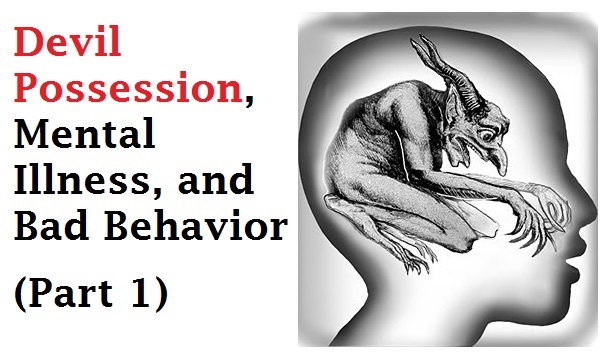
Organic Mental Illness:

These illnesses are linked to brain damage or dysfunction, such as Alzheimer's disease or brain injuries.

Examples of Inorganic Mental Illnesses:

Psychiatric Conditions: Anxiety disorders, depression, eating disorders, and schizophrenia are often considered inorganic.

Stress-Related Disorders: Post-traumatic stress disorder (PTSD) is a common example where psychological trauma can lead to mental health issues without a clear physical cause.

Substance-Induced Psychoses: In some cases, substance use (drugs or alcohol) can trigger or exacerbate psychotic symptoms, which are often considered inorganic.

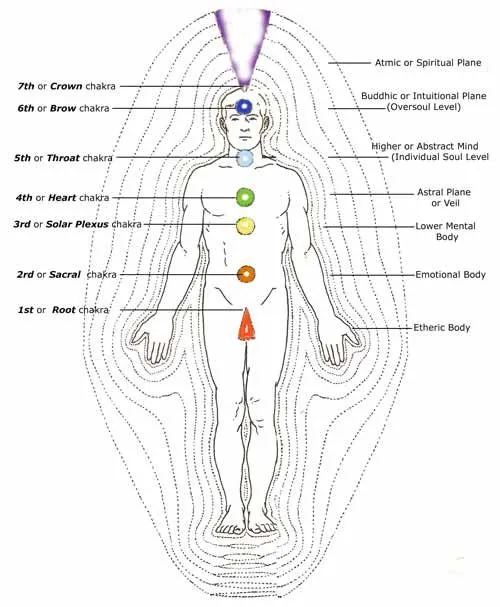
منظور از موجودات”غیر ارگانیک” ، موجوداتی است که چـون بشـر دارای کالبد مادی نیستند. آنها دارای کالبدی انرژیـک انـد. در واقـع در اطراف ما موجودات زنده بی شماری زنـدگی می‌کنند کـه یـک نمونـه آن موجـودات ارگانیـک، یعنـی موجـوداتی هسـتند کـه دارای جسمیت و کالبد مادی می‌باشند. اما بخش قابل توجهی از موجودات زنده، در عالم موجودات غیر ارگانیک که یک جهان انرژیک است، بسر می‌برند. برخی این عالم را برزخ، یا عالم مثال دانسته اند. زیرا حـد واسط دنیا وآخرت است. در اینجا، هم ماده است هم شکل و تصویر، اما در آنجا مـاده نیسـت آنچنانکه در اینجاست. اما شکل و تصویر وجود دارد. آن عـالمی اسـت لطیف براساس انرژی. به آن عالم اثیری یا اختری نیز می‌گویند. موجودات غیر ارگانیک، زنده هستند یعنـی دارای حیـات، آگـاهی و هوشمندی می‌باشند. این موجودات از آنجا که چون آدمـی کالبـدی ثقیل و مادی ندارند و از محدودیت‌های تـن، عـاری می‌باشند، از نظر نوع زندگی، سرعت، قدرت، حرکت، میزان آگاهی، حوزه دیـد و ادراک، کاملاً متفـاوت می‌نمایند. بـا ایـن حـال آنهـا نیـز دارای محدودیت‌هایی هستند و ایـن محدودیت‌ها متناسـب بـا وضـعیت وجودی آنهاست. موجودات غیر ارگانیـک نیـز انـواع متنـوعی دارنـد. یـک نـوع آن در فرهنگ دینی بنام جن شناخته شده است. البته اگر جـن را بـه معنای اخص بگیریم، در این صورت” غیر ارگانیـک” اعـم از جـن خواهد بود. موجودات غیر ارگانیک را در فرهنگ گذشته “صیاصی معلقه” می نامیدند زیرا می‌دانستند که آنها محلی بنـام کالبـد جسـمانی مـادی ندارند پس” معلقه” فرضشان نموده اند و از آنجا که دارای وجودند و در موجودیتشان وحدت و هماهنگی و حصار است به “صیاصـی” نسبت داده اند. عالمی چون ملاصدرا آنها را تحت عنوان” صور مثالیـه” آورده و بـه سه دسته کلی تقسیم می‌کند. یکی ”ملائکه ارضیه” که چنانکه از نامش پیداست این گروه در فعل و انفعالات موجودات زمینی شرکت دارند. دیگـر” ملائکـه سـماویه” که مامور تدبیر و تاثیر بر اجرام و انرژی‌های کیهانی شناخته شده اند و گروه سوم را تحت عنوان” ملائکه مقرّبین” نام می‌نهد کـه اینـان کاملاً متوجه ذات حق تعالی هستند زیرا جز به خداوند و اراده الهی به چیز دیگری اهمیت نمی‌دهند.

موجودات غیرارگانیک بخاطر اختلاف بافت کالبدی شان با نـوع بشـر، برای مردمان قابل رؤیت نیستند و بنظر می‌رسد بـرای قابـل رؤیـت شدن باید تغییراتی صورت پذیرد. این تغییر یا در فرکانس انـرژی کالبـدی آنهاسـت یـا تغییـر در بافـت ادراکی بشر، و یـا هـر دو می‌باشد. بهـر حـال جهـت رؤیـت بایـد هماهنگ و هم فاز شوند. در بسیاری از موارد مشاهده شده است که این هماهنگی در” صـدا” به وجود می‌آید. لذا صداها شنیده می‌شوند اما رؤیتی در کار نیست. بهر حال شنیدن” صدا” نیز برای سالک حق جـو، یـک امتیـاز در خور توجه است اما بحث ما همچنان در باب دیدن است. انسانی که به مقام دیدن نائل می‌گردد جهـان در نگـاه او تغییـرات اساسی می‌یابد. او دگر آن کسی نیست کـه قـبلاً بـوده اسـت. پـس سخت‌ترین کار برای این عده، زمانی است کـه بخواهنـد بـه زنـدگی عادی قبلی خود برگردند. اما آنها ناچار از این بازگشت اند زیـرا در غیراینصـورت زنـدگی مـادی شان به ویژه در حوزه ارتباط با دیگران دچار اختلالات خواهد شد. لذا برای اینکه انگشت نما و رسوا نشوند باید به ایفای نقش عـادی بـودن بپردازند. و خـود را از نگاه‌های کنجکـاو و فضـول دیگـران، مصـون بدارند.

گاهی آنان برای اینکه شـک دیگـران را بکلـی زایـل کننـد بـه شـیوه ملامتیون رفتار می‌کنند و دست به اقدام و یا وانمود به اقـدام کـاری می‌کنند که نامحرمان را از دور خویش بتارانند. بهر حال برای” دیدن” باید از برخی چیزها چشم پوشید تـا رؤیـت شریف‌تر حاصل گردد. این قـانون حـذف و اضـافه، پـر و خـالی، یـک قاعده علمی عملی است که صاحبان دیـده، همـواره آن را بکـار می‌گیرند. آنچه واضح است این است کـه مـا در مـورد صـاحبان دیـده، سـخن گفتیم نـه مـدعیان دروغـین آن. مـدعیان دروغـین در بسـتر تـاریخ همیشه وجود داشته و دارند. قصد آنان سوء استفاده هر چه بیشـتر از نوع بشر است. آنان بدنبال استحمار و استثمار دیگرانند. پـس خـالی از هرگونـه حقیقـت بینـی انـد. امـا صـاحبان دیـده نـه تنهـا هـیچ چشمداشتی از دیگران ندارند بلکه حاضرند از امکانات خود بذل نموده تا دمی از تیر نگاه و توجه دیگران امان یافته و به خلوت خـویش وارد آیند.

جنیان را اساتید عصر حاضر، موجودات غیرارگانیک خوانده اند. منظور از غیرارگانیک، آن موجودی است که جسمیت ندارد. دارای فیزکالیته سخت نیست.

انسان دارای فیزیکالیته سخت است. از خاک است. اما جنیان، از جنس انرژی اند. ناری اند و آتش از خاک لطیف‌تر است. برای همین است که براحتی به چشم نمی‌آیند. نه اینکه نیستند، نه اینکه توهم اند، آنها وجود دارند، هستند، زنده اند. دیدن آنها نیازمند انرژی قابل توجه ایست. این انرژی را یا باید بیننده تأمین کند و یا خود آنها. و آنها قدر انرژی را می‌دانند و بندرت چنین کاری می‌کنند مگر آنکه امر مهمی در کار باشد. آنها به اندازه قابلیت‌هایشان، هوشمندند. زاد و ولد دارند. منتها از جنس انرژی اند. موجوداتی انرژیایی. از آنجا که جسمیت سخت ندارند، قابلیت جابجایی فوق العاده ای دارند زیرا این جسم سخت است که در معرض اصطکاک است. آنها در معرض چنین اصطکاکی نیستند. گذر از موانع سخت برایشان آسان است و بسرعت عمل می‌کنند. آنها انواع دارند همچنانکه انسان‌ها انواع دارند.

Can jinn possession and mental illness be the same thing?

All societies have heard of or have had some experience with “paranormal activity”, whether named extra-terrestrial, ghosts, spirits or evil forces, there is a universal understanding that something exists alongside us. Some scientists may explain these events with the idea of life in space, realists suggest it is matters of the mind, and others may take on a more spiritual approach i.e. demonic possession. Islam acknowledges this activity and “other” being as the Jinn, and culturally this essentially means mental health problem. There is so much to cover, and much that has been left out – but this is a little attempt in trying to condense the world of the Jinn into a short (longer than normal) post to try and clear up any misconceptions between the jinn world and mental health issues.

Who and what are the Jinn?

The word Jinn (جن) comes from the word Ij-tinaan (إِجْتِنَان) and to conceal, and in context to the physicality of Jinn’s in their natural form, they remain unseen and invisible to the human eye. Perhaps this is why jinn and mental health related problems are clustered together because both are abstract and unseeable. The Jinn have a parallel realm to humans, we co-exist but there are no clashes between civilisations unless of course, communication is induced. The differences between us and them start with their origin, a smokeless flame of fire which Allah created them from, before He created humans from clay.

  • Extraterrestrial beings = موجودات فرازمینی
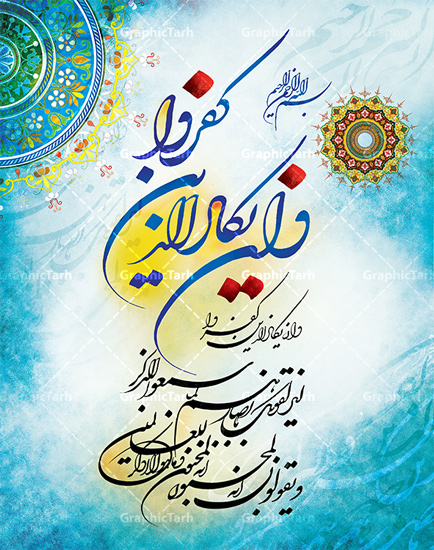
«وَإِن يَكَادُ الَّذِينَ كَفَرُوا لَيُزْلِقُونَكَ بِأَبْصَارِهِمْ لَمَّا سَمِعُوا الذِّكْرَ وَيَقُولُونَ إِنَّهُ لَمَجْنُونٌ * وَمَا هُوَ إِلَّا ذِكْرٌ لِّلْعَالَمِينَ»

و کافران چون قرآن را شنیدند، نزدیک بود تو را با چشمانشان بلغزانند [و از پای درآورند] و می گویند: بی تردید او دیوانه است! * در حالی که قرآن جز مایه تذکر و پند برای جهانیان نیست.

Indeed the faithless almost devour you with their eyes when they hear this Reminder, and they say, He is indeed crazy. (51) Yet it is just a reminder for all the nations.

Wa In Yakād Verse (Arabic: آیة وإن یکاد) refers to verses 51 and 52 of Qur'an 68 (Sura al-Qalam). It is also known as the Verse of Evil Eye. Many people install a board containing this verse in their work places, houses, or other places to make themselves immune to evil eyes. The verse implies that unbelievers sought to hurt the Prophet (s) with their evil eyes after hearing the Qur'an.

Evil Eye

Exegetes of the Qur'an have taken the "striking with eyes" to refer to evil eyes; a psychological influence which there is no rational argument to reject. Moreover, there are events which confirm evil eyes, as there are some hadiths in this regard. Thus, it is not a superstition.

Anger of Unbelievers

The word, "in" (إن) with no stress on "n" (ن) is a short form of "inna" (إنّ), which is a preposition for emphasis. "Yazliqūnak" (یزلقونك) is from the Arabic root, "z-l-q" (ز-ل-ق) which means slipping or tripping. "izlāq" (أزلاق)—literally, to make someone slip or trip—is a metaphor for striking or killing someone.

The meaning of the verse is as follows: "the Unbelievers would almost trip you up with their eyes when they heard the reminder [i.e. the Qur'an]", that is, they would kill the Prophet (s) with their evil eyes. According to some exegetes of the Qur'an, the verse means that when they hear the Qur'an from the Prophet (s), they look at him with an eye full of hostility and anger, such that they want to kill him with their eyes.

Some unbelievers accused the Prophet (s) of being insane, saying that the Qur'an was suggested to him by evils and jins. In response, the Qur'an said that the Qur'an "is nothing less than a reminder to all the worlds".

Iranian Culture

This verse is one of the most commonly used Qur'anic verses in ordinary lives of Iranians. Many people in Iran use it as a protection against evil eyes.

This verse is written completely and installed on house entrances to protect evil eyes. The use of this verse as a decorative board on the entrances of houses is very common. According to some statistics, this is the most commonly used verse on the doors of houses in Iran.

Murtada Mutahhari has criticized the folk conception of this verse among Iranian and its wide use by them. He believes that the wide use of this verse on entrances of houses and buildings is evidence of people's pessimism towards each other.

برای این آیه چند شأن نزول نقل شده است:

در روایتی آمده است پیامبر صلى الله علیه وآله در مسجد نشسته بود و قرآن مى‌خواند و مشركان بر در مسجد انتظار مى‌كشیدند تا هنگام خروج پیامبر، او را چشم بزنند؛ در همان حال جبرئیل علیه‌السلام آیه «و ‌إِن یَكاد» را نازل كرد و به پیامبر گفت كه آن را تلاوت كند تا از چشم زخم آنان در امان باشد. این شأن نزول را ملا فتح‌الله كاشانى در تفسیر منهج الصادقین آورده، اما سند روایت را ذکر ننموده است. این شأن نزول همچنین در تفسیر روض‌الجنان به نقل از كلبى آمده است اما از قرائت این آیه به وسیله پیامبر براى جلوگیرى از ‌تأثیر چشم ‌زخم مشركان سخنى به میان نیامده ‌است.

Wa in Yakad Verse

کتاب کافی به نقل از حسان جَمَّال (شتربان) آورده است که امام صادق علیه السلام را از مدینه به مکه آوردم؛ هنگامی که به مسجد غدیر رسیدیم به سمت چپ مسجد نگاه کرد و فرمود: این جایگاه قدم رسول خداست هنگامی که گفت: «هر که من مولای او هستم علی هم مولای اوست». سپس به سمت دیگر نگاه کرد و فرمود: آن جایگاه چادر ابی فلان و فلان و سالم مولی ابی حذیفه و ابی عبیده بن جراح است. پس آن هنگام که دیدند پیامبر دست علی را بالا برده است، یکی از آنها به دیگران گفت نگاه کنید به چشمانش که به اطراف می گردد گویا که چشمان دیوانه است. پس جبرئیل علیه السلام این آیه را آورد: «وَ إِنْ يَكادُ الَّذِينَ‏ كَفَرُوا لَيُزْلِقُونَكَ بِأَبْصارِهِمْ لَمَّا سَمِعُوا الذِّكْرَ وَ يَقُولُونَ إِنَّهُ لَمَجْنُونٌ‏ وَ ما هُوَ إِلَّا ذِكْرٌ لِلْعالَمِينَ».

بیشتر مفسران، برآنند كه مقصودِ آیه، چشم ‌زخم كافران به پیامبر صلى الله علیه وآله است كه مى‌خواستند با چشمان خود، آن حضرت را از بین ببرند. در برخی تفاسیر در تأیید این تفسیر نقل شده است: کفار خواستند رسول خدا صلی الله علیه وآله را به وسیله چشم زخم آسیب رسانند لذا قومى از قریش آمدند و در مقابل او ایستادند و گفتند: ما مثل این مرد از حیث فصاحت و بلاغت و هم از لحاظ اظهار بینه و دلائل کسى را ندیده ایم و اینان قوم بنى‌اسد بودند که معروف به بدچشمى شده بودند و به هر چیزى اگر چشم مى انداختند و از آن تعریف زیاد می‌کردند به آن آسیبى می‌رسید لذا به یکى از آن‌ها گفته بودند از تو می‌خواهیم که به محمد چشم‌زخم بزنى. این مرد چنین کرد و چشم خود را به پیامبر افکند و شروع به تعریف و توصیف رسول خدا نمود و سخت، چشم خود را به پیامبر دوخت در حالتى که اوا به قرائت قرآن مشغول بود و این نگاه و نظاره قریب یک ساعت به طول انجامید و پیش خود تصور می‌کرد که چشم او تأثیرى در رسول خدا خواهد نمود؛ سپس این آیات به رسول خدا صلی الله علیه وآله نازل شد.

برخی نیز گفته اند: كافران هنگام شنیدن قرآن، چنان از شدت خشم و دشمنى به پیامبر صلى الله علیه وآله نگاه مى‌كردند و چشم غرّه مى‌رفتند كه اگر مى‌توانستند، پیامبر را با نگاه‌هاى خشم‌آلود خود مى‌لغزاندند و از بین مى‌بردند.

تأثیر آیه بر چشم زخم

مفسرین معمولا در مورد تاثیر قرائت این آیه بر چشم زخم روایتی نقل ننموده‌اند و تنها از حسن بصری نقل کرده‌اند که گفته است دواى چشم ‌زخم، قرائت آیه «و‌إِن یَكادُ...» است. در مقابل، بر پایه برخى روایات، پیامبر صلی الله علیه وآله هنگام تعویذ امام حسن و امام حسین علیهماالسلام یا افرادى دیگر از چشم ‌زخم، به اذكار دیگرى غیر از این آیه توسل جستند.به عنوان نمونه در کتاب کافی آمده است:

امام صادق عليه السلام فرمود: أميرالمؤمنين عليه السلام فرمود كه پيامبر اکرم، حسن و حسين را رقيه نمود (رقيه به معناى دعا، تعويذ، افسون و آنچه براى حفظ و نگهدارى بكار برند مي‌باشد) و فرمود: «َأُعِيذُكُمَا بِكَلِمَاتِ اللَّهِ التَّامَّاتِ وَ أَسْمَائِهِ الْحُسْنَى كُلِّهَا عَامَّةً مِنْ شَرِّ السَّامَّةِ وَ الْهَامَّةِ وَ مِنْ شَرِّ كُلِّ عَيْنٍ لَامَّةٍ وَ مِنْ شَرِّ حاسِدٍ إِذا حَسَد»؛ پناه می دهم شما دو نفر را به كلمات تامّه خدا و به اسماء حسنى خدا كه همه عمومى هستند از شرّ زهرداران و گزنده‏‌هاى كشنده و از شرّ هر چشمِ بد و از شرّ حسود هنگام حسد.

سپس پيامبر رو به ما كرده فرمود: ابراهيم اين سان اسماعيل و اسحاق را در پناه خدا مي‌نهاد (و تعويذشان مي‌كرد).

Negative energy can significantly impact your physical, emotional, and mental well-being, leading to a range of negative effects. Exposure to negative energy can cause fatigue, pain, anxiety, and even misfortune. It can also negatively impact your emotional and mental state, leading to decreased motivation, increased stress, and difficulty concentrating.

Here's a more detailed look at how negative energy can affect you:

Physical Effects:

Fatigue and exhaustion:

Negative energy can drain your physical energy, leading to persistent tiredness.

Body pain:

You might experience aches and pains, particularly in the shoulders, back, or neck, says an article on Times of India.

How to remove negative energy from body

Digestive issues:

Stress and negative emotions can disrupt the digestive system, leading to discomfort or problems.

Sleep disturbances:

Insomnia and difficulty sleeping are common effects of negative energy, as it can exacerbate anxiety and stress.

Emotional and Psychological Effects:

Increased stress and anxiety: Negative energy can amplify feelings of worry and unease, leading to increased stress levels.

Irritability and frustration: Small inconveniences may feel overwhelming, leading to increased irritability and frustration.

Negative emotions: Negative energy can intensify negative emotions like anger, resentment, sadness, and a sense of hopelessness.

​​​​​​​Difficulty concentrating: It can become challenging to focus your mind and think clearly when under the influence of negative energy.

​​​​​​​Loss of motivation: Negative energy can erode your motivation and enthusiasm for activities.

​​​​​​​Decreased empathy: You might find it harder to connect with others emotionally and empathize with their feelings.

​​​​​​​Constant self-doubt: Negative energy can fuel self-doubt and feelings of inadequacy.

Other Effects:

Changes in appetite: You might experience changes in your appetite, either increased or decreased, says an article on WebMD.

Nervousness: You might feel constantly on edge and nervous, even in calm situations.

​​​​​​​Decreased commitment to work: You might feel less invested in your work and responsibilities.

​​​​​​​Frequent misfortune: You might experience a string of bad luck or misfortune.

​​​​​​​It's important to note that these effects can vary from person to person, and the intensity of the impact depends on individual resilience and coping mechanisms. If you feel overwhelmed by negative energy, it's essential to seek healthy coping strategies, like mindfulness, meditation, or talking to a therapist, says an article on MentalHealth.com.

It is mentioned in several verses of the Qur'an and in the hadiths of Prophet Muhammad and is considered one of the gravest forms of disbelief. Islam teaches that witchcraft can cause serious spiritual and physical harm and is closely associated with invoking evil forces.

  1. Witchcraft and sorcery are condemned by God (2:102).
  2. Those who practice witchcraft/sorcery cannot harm people against the will of God (2:102).
  3. The opening word in Sura 113 is "Say", this tells us that we should utter the words in this Sura in order to seek God's protection from all evil. We seek God's protection against all evil among what He created (113:2), against witchcraft (113:4), and against the harmful power of envy (113:5).

أَعُوذُ بِكَلِمَاتِ اللَّهِ التَّامَّاتِ مِنْ شَرِّ مَا خَلَقَ.

‘A’oothu bikalimaatil-laahit-taammaati min sharri maa khalaqa.

What is a reversal spell?

Reversal Spells are spells created to reverse the effects of other spells that have been cast.

How to get rid of blackmagic in Islam?

Individuals experiencing disturbances from magic or santet can perform ruqyah independently. Common verses used to ward off magic or santet include Surah An-Nas, Al-Falaq, and Ayat Kursi. Surah An-Nas and Al-Falaq, known as Al-Mu'awwidzatain, are recited to seek protection from Allah.

How to get rid of jinn?

You can't do it on your own, we human beings are created weak with arrogance, temptations and ignorance. But we can get rid of Jinn through God by prayers in the Qur'an. Q23:97 Say, "My Lord, I seek refuge in You from the whispers of the devils. Q23:98 "And I seek refuge in You, my Lord, lest they come near me."

Are mistakes forgiven in Islam?

It's crucial to remember for the sake of our faith that Allah is Most Merciful and that He shall continue to forgive us so long as we seek forgiveness and repent when we err.

How does mentalist magic work?

They use verbal suggestion, social pressure, visual cues and mental framing to influence perceptions and reactions. This lets them guide participants towards the responses, outcomes or choices they want. For instance, a mentalist may hint that choosing a certain number will lead to something positive.

Black Magic, Charms, and Soothsayers

Praise be to Allah

There are different kinds of treatment:

1 – He can look at what the sahir (person who practices sihr/magic) has done. For example, if he has put some of his hair in a place, or in a comb, or somewhere else, if it is discovered that he has put it in such-and-such a place, it should be removed and burnt or destroyed. This will cancel out what has been done and will foil the intentions of the sahir.

2 –The sahir should be forced to undo what he has done, if his identity is known. It should be said to him, “Either you undo what you have done, or you will be executed.” After he has undone it, he should still be executed by the authorities, because the sahir should be killed without being asked to repent, according to the correct view. This is what was done by ‘Umar (may Allah be pleased with him), and it was narrated that the Messenger (peace and blessings of Allah be upon him) said: “The punishment of the sahir is to strike him with the sword (i.e., execute him).” When Hafsah Umm al-Mu’mineen (may Allah be pleased with her) found out that a slave woman of hers was dealing with sihr, she killed her.

3 – Reciting Quran, for it has a great effect in removing (the effects of) sihr. Ayat al-Kursiy, the ayahs (verses) of sihr from Surat al-A’raf, Surat Yoonus and Surat Ta-Ha, Surat al-Kafirun, Surat al-Ikhlas and al-Mu’awwadhatayn should be recited over the person who has been affected by sihr, or into a vessel. Dua should be made for healing and good health; in particular the du’a which has been narrated from the Prophet (peace and blessings of Allah be upon him):

“Allahumma Rabb al-Nas, adhhib al-bas washfi, anta al-Shafiy, la shifa a illa shifa uka, shifa an la yughadiru saqaman (O Allah, Lord of mankind, remove the evil and grant healing, for You are the Healer. There is no healing except Your healing, which does not leave any sickness).”

One may also recite the words used by Jibreel (peace be upon him) when he treated the Prophet (peace and blessings of Allah be upon him) with ruqyah:

“Bismillah urqeek, min kulli shay in yu dheek, wa min sharri kulli nafsin aw ‘aynin hasidin Allah yashfeek, bismillah urqeek (In the name of Allah I perform ruqyah for you, from everything that is harming you, from the evil of every soul or envious eye may Allah heal you, in the name of Allah I perform ruqyah for you).”

This should be repeated three times, as should the recitation of “Qul Huwa Allah Ahad” and al-Mu’awwadhatayn.

He may also recite the above into water, some of which should be drunk by the person who has been affected by sihr, and he should wash with the rest, one or more times as needed. This will remove the sihr by Allah’s leave. This was mentioned by the scholars (may Allah have mercy on them), and by Shaykh ‘Abd al-Rahman ibn Hasan (may Allah have mercy on him) in Fath al-Majeed Sharh Kitab al-Tawheed, in (the chapter entitled) Bab Ma ja a fi’l-Nushrah, and by others.

4 – He can take seven green lotus leaves, grind them up, and put them into water, then recite into it the ayahs and surahs (verses and chapters) mentioned above, and the du’as. Then he can drink some and wash with the rest. This is also useful for treating a man who is being kept from having intercourse with his wife. Seven green lotus leaves should be placed in water, the verses referred to above should be recited into it, then he should drink from it and wash with it. This is beneficial, by Allah’s leave.

The verses which should be recited into the water and the lotus leaves for those who have been affected by sihr and the one who is being prevented from having intercourse with his wife because of sihr are as follows:

  1. Surat al-Fatihah
  2. Ayat al-Kursiy from Surat al-Baqarah, which is as follows (interpretation of the meaning)

See also:

  • Can a spell be undone by another spiritual practitioner?

In Islam, a houri (/ˈhʊərri, ˈhaʊəri/; Arabic: حُـورِيَّـة ,حُورِيّ, romanized: ḥūriyy, ḥūrīya, lit. 'maiden'), or houris or hoor al ayn in plural form, is a maiden woman with beautiful eyes who lives alongside the Muslim faithful in paradise.

They are described as the same age as the men in paradise. Since hadith states people will be aged 30–33 lunar years in heaven, this translates to 29–32 Gregorian solar years.

? How many hoor al ayn do you get in Jannah

The term "houris" is used four times in the Quran, although the houris are mentioned indirectly several other times, (sometimes as azwāj, lit. companions), and hadith provide a "great deal of later elaboration". Muslim scholars differ as to whether they refer to the believing women of this world or a separate creation, with the majority opting for the latter.

Houris have been said to have "captured the imagination of Muslims and non-Muslims alike". According to hadith, faithful women of the Dunya will be superior to houris in paradise.

In classical Arabic usage, the word ḥūr (Arabic: حُور) is the plural of both ʾaḥwar (Arabic: أحْوَر) (masculine) and ḥawrāʾ (Arabic: حَوْراء) (feminine)which can be translated as "having eyes with an intense contrast of white and black".

The word "houri" entered several European languages in the 17th and 18th centuries.

Arthur Jeffery and other scholars suggests an Iranian origin for the term, proposing the origins of the word to be the Middle Persian hū̆rust 'well grown'.

What is the meaning of Hoor in Arabic?

The name Hoor has roots in multiple cultures but is most prominently associated with Arabic origins where it means 'beautiful one with intense black eyes' or 'one with eyes like a gazelle.

The houris are mentioned in several passages of the Quran, always in plural form, but only mentioned directly four times. No specific number is ever given in the Quran for the number of houris accompanying each believer.

Description of Hur Al-Ayn

Quranic description

In the tafsirs and commentaries on the Quran, Houris are described as:

  • 37:48 "with large and beautiful eyes",
  • 38:52 "companions of modest gaze well matched",
  • 44:54 "wide and beautiful eyes",
  • 52:20 "beautiful houris of wide and beautiful eyes",
  • 55:56 "untouched beforehand by man or jinn",
  • 55:58 "as elegant as rubies and coral",
  • 55:72 "bright-eyed damsels sheltered in pavilions",
  • 55:74 "untouched by any man","reclining on green cushions and beautiful carpets",
  • 56:8 "the people of the right, how ˹blessed˺ will they be"
  • 56:22 and they will have "houris maidens[dubious – discuss] with intensely black eyes set against the whiteness of their irises",
  • 56:35 "created without the process of birth",
  • 78:31–33 and as "splendid companions",
  • 44:54 "Thus. And We will marry them to fair women with large, [beautiful] eyes".

It is thought that the four verses specifically mentioning Houri were all "probably" 'revealed' at "the end of the first Meccan period".

What is the gender of hoor in Islam?

? How do you describe heaven to a child

The word "hoor" may be genderless as you say you have found, however, in the verses where this word is used, the subject refers to females and not males.

Who gets hoor al ayn?

They are women in Jannah that men will get. “And (there will be) Hoor (fair females) with wide lovely eyes (as wives for Al-Muttaqoon – the pious). al-Sa'di (may Allaah have mercy on him)said: “And (there will be) Hoor (fair females) with wide lovely eyes”.

What is an houri in Islam?

In Islam, a houri exists in Paradise as a divine companion for those believers who have died. The houri is an important figure in Islam, appearing several times in the Quran. Though they are described as feminine, they appear as both male and female, acting as companions or guides for faithful Muslims.

Are hoor al ayn angels?

Hoor Al-'Een are not angels

The Hoor Al-'Ayn (damsels of Paradise), are they like the angels in that they cannot sin, or are they like humans?

And if so, then how are they deserving to be in Paradise?

1. باکره بودن حوریان

باکره بودن حوریان در آیه ۳۶ سوره واقعه نیز تأکید شده است.

برخی مفسران از آیات ۵۶ و ۷۴ سوره رحمن چنین نتیجه‌گیری کرده‌اند که حوریان به دو نوع انسان و جن تقسیم می‌شوند

همچنین از حوریان با اوصاف «همسال» (أتراب)، «شوهردوست» (عُرُب) و «نارپستان» (کَواعِب) یاد شده است.

مفسران حوریان بهشتی را همسال با شوهرانشان، نه پیر و نه جوان، دانسته‌اند.

? What do fairies do in stories

2. حوریان با وصف همسرانی پاک

حوریان با وصف «أزواجٌ مُطَهَّره» (همسرانی پاک) نیز ستوده شده‌اند

به عقیده مفسران این طهارت مطلق است و پاکی از هرگونه پلیدی و آلودگی، چه ظاهری و جسمی و چه باطنی و روانی نظیر کژخلقی، زشتخویی، دودلی و بدگمانی را شامل می‌شود.

3. در روایتی مادّه خلقت حوریان زعفران، مشک، عنبر و کافور است به گونه‌ای که از نوک انگشتان پاها تا رانها از زعفران، از رانها تا سینه‌ها از مشک، سینه‌ها تا گردن از عنبر و از گردن تا سر از کافور سپید و خوشبو خلق شده است

بدن حوریان بی‌اندازه سفید و براق است و ظرافت اندامشان به اندازه‌ای است که حتی عصب ساقهای سیمین آنان از پس هفتاد جامه ابریشمین هویداست

ابروانشان خطی سیاه بر بالای نور، پیشانیشان هلال ماه، و چهره‌های درخشانشان منعکس کننده نور الهی است

آنان مزیّن به جواهرات و سنگهای قیمتی فراوان‌اند به طوری که اگر یک حوری دستبندش را نمایان سازد تمام دنیا نورانی می‌شود

اگر زنی بهشتی بر اهل دنیا ظاهر شود، نور و بوی او آسمان و زمین را فراخواهد گرفت و حتی روسری او از دنیا و آنچه در آن است، ارزشمندتر است

و اگر قطرهای از آب دهان او در دریا بریزد، آب آن شیرین می‌شود.

Instead, the Quran stressed about the weakness of Jinn. They are stupid and ignorant; they remained in humiliation for years and could not realize the death of their humiliator: “And when We decreed for Solomon death, nothing indicated to the jinn his death except a creature of the

Exposing the Secret Weaknesses of the Jinn

earth eating his staff.

What are jinn's weaknesses?

Weaknesses. Iron - Djinni fear this metal, and a common method of thwarting evil efforts by Djinni includes sticking their skin or clothing with iron needles, which they will be too afraid to remove, and thus flee in a panic. Magic - Djinn are susceptible to the powers of magic.

What are Jinns afraid of?

One of the most well-known fears of jinns is their aversion to iron. Iron is believed to repel these beings, making it a powerful protective tool. This fear is deeply rooted in various ancient texts and stories, where iron has been used to ward off malevolent jinns.

What are the weaknesses of jinn?

Like humans, the jinn have no knowledge of the future. Like humanity, jinn face epistemic limitations regarding "the hidden/occult", have to rely on God's messengers, and face eschatological judgement.

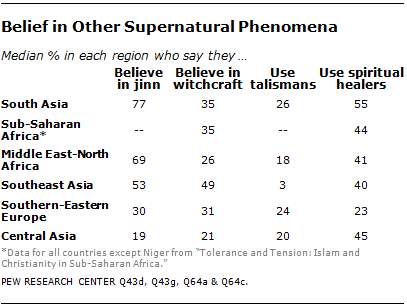
Muslims believe that there are unseen beings called jinn. Their world exists in parallel to that of the human world. Indeed, these creations are powerful, move fast, and can easily change shape. Due to the mixture of this belief with local cultures, most Muslims believe that jinn are responsible for many psychological, mental and physical diseases and they are even responsible for social problems. As a result, religious healers present themselves to deal with this perceived phenomenon and treat its effects on the individuals and groups. This present review provides a general overview of this belief, the effect of jinn on humans and the way they treated them.

Muslims believe in the existence of the unseen world, which generally includes besides angels, Satan, the hereafter, heaven, hell and jinn. This belief is based on many verses from the Quran, which mention that jinn are one of Allah’s creations: “and the jinn we created before from scorching fire” (Saheeh International: 34:14).

In fact, followers of other major religions believe also in the effect of demons, witchcraft, and the evil eye. It is not an exaggeration to say that approximately 90% of the world’s societies believe in demonic possession.

Nevertheless, among these unseen creations, Jinn are most in competition with human beings, as they share with them many characteristics and attributes. They can think, eat, marry, love, hate, be angry or happy in addition to having free will. “Jinn, good or bad due to their beneficial or harmful effects could be believers or nonbelievers in Allah and could take any shape and form” . However, in comparison to humans, jinn are more powerful. Jinn can move fast and travel huge distances , shape and reshape in many different forms and the most dangerous attribute is that they can possess man’s mind and body. Thus, most of “the followers of Islam believe in jinn who can see and watch humans and bedevil them”.

Stages of how Religious Healers Treat their Patients

One the most popular way that RHs treat their patients consists of three stages:

Antifungal resistance

a. Clean off the place from pictures to allow angels enter the place.

b. Burn any amulets with the patient.

c. Clean the place from any musical instrument.

d. Evocate the place from any prohibited manner; such as man wearing gold ring or unveiled women.

e. Give the family of patient a lesson in the pure Islamic aquidah (salafi version).

f. Diagonize the patient by asking him/her some questions such as did he/she have any bad dream such as to be attacked by animals or falling from high or walking alone in a scary place. These types of questions and diagonaze should continue until the RH is sure about the type of Jinn and their number. For example, if she/he saw many snakes it means many Jinns possess him/her

The HR Put his Hand on the Head of Patient then

a. Recite in his/her ear certain chosen verses from the Quran that are special for this purpose; they include first chapter (fatiha) and all verses mentioned about Jinn. Doing this will force the Jinn to evocate the patient body or force him be nervous and speak.

b. Signs of the presence of Jinn; closing the eyes, shivering, screaming and maybe telling its name.

c. Start asking it (Jinn) questions about its name, his religion, in which part of the body it is located and is it alone or with other Jinn.

d. If it is Muslim, ask it to fear Allah, give Salam and go out safely but if it is non-Muslim, tell it first about Islam then ask it to go out, if it does not want, force it by snapping it and reciting verses of Jinn until it agrees to leave.

After the treatment, the patient needs special care because he/she is subject to the return of Jinn, thus he/she must keep reading Quran regularly, pray on time and only associate with good people.

هفت فرشته ارشد (به انگلیسی: Seven Archangels)مفهوم هفت فرشته در برخی از آثار ادبیات اولیه یهود و مسیحیت یافت می‌شود. در آن متون از آنها به عنوان فرشتگانی که مستقیماً به خدا خدمت می‌کنند اشاره شده است.

کلیسای کاتولیک هفت فرشته را گرامی می‌دارد: در مسیحیت لاتین، سه نفر به نام (مایکل، گابریل و رافائل) خوانده می‌شوند، در حالی که کلیساهای کاتولیک شرقی از هفت فرشته نام می‌برند. سنت‌های لوترانیسم و انگلیکانیسم به‌طور کلی چهار فرشته شناخته شده را می‌شناسند: میکائیل، گابریل، رافائل و گاهی اوریل. کلیساهای پروتستان غیر مذهبی اغلب فقط گابریل و میکائیل را ستایش می‌کنند.

در بخش‌هایی از مسیحیت ارتدوکس شرقی ممکن است هشت فرشته از جمله میکائیل، گابریل، رافائل، آوریل، و همچنین سالاتیل، جگودیل، باراکیل و جرمیل (در سنت قبطی، چهار فرشته آخری به عنوان سورائیل نامیده می‌شوند) تجلیل شوند. سکاکائیل، ساراثائیل و هنائیل). به عنوان هشت فرشته اصلی بزرگداشت می‌شوند.

مسیحیت ارتدکس شرقی (انگلیسی: Eastern Orthodox Christianity یا Eastern Orthodoxy) یکی از سه فرقه مسیحیت خلقیدونی در کنار کاتولیسیسم و پروتستانتیسم است.

'ارتدکس شرقی' که با نام‌های مسیحیت ارتدکس شرقی یا مسیحیت بیزانسی نیز شناخته می‌شود، یکی از سه شاخه اصلی مسیحیت کلسدونی است که در کنار کاتولیک و پروتستان قرار دارد.

گسترش ارتدکس شرقی از مدیترانه شرقی و در چارچوب فرهنگ یونانی بیزانس آغاز شد.جوامع ارتدکس شرقی دیدگاه‌ها، آموزش‌ها و آیین‌های مشابهی دارند و به کلیساهای خود به‌عنوان بخشی از یک کلیسا نگاه می‌کنند. پیروان مسیحیت ارتدکس شرقی سال خود را بر اساس تقویم عبادی کلیسای ارتدکس شرقی تنظیم می‌کنند. ارتدکس شرقی بر این باور است که روح‌القدس از خداوند پدر سرچشمه می‌گیرد و افزوده شدن عبارت فیلیوکه ("و خداوند پسر") به اعتقادنامه نیقیه توسط کلیسای لاتین که پیش‌تر ارتدکس بوده است را رد می‌کند، چرا که این تغییر بدون برگزاری شورایی رسمی انجام شده است.

Barachiel (Hebrew: בַּרַכְאֵל Baraḵʾēl, "God has blessed"), also known as Barakel, is one of the Archangels in Judaism, as well as Byzantine Catholic and Eastern Orthodox tradition. He is the Archangel of Blessings.

In the Third Book of Enoch, he is described as one of the angelic princes, with a myriad of some 496,000 ministering angels attending him. He is described in the Almadel of Solomon as one of the chief angels of the first and fourth chora. In Jewish tradition, he is often associated with blessings, the planet Jupiter, and the Sephirah of Chesed.

نِمِسیس (به یونانی: Νέμεσις) (به انگلیسی: Nemesis) در اساطیر یونان الههٔ نیک و بد، دادگری(عدالت) و تلافی(انتقام)بود. تندیس و پرستشگاه او در روستای رامنوسیا در شمال آتیک جای گرفته است و به همین علت با نام رامنوسیا (به انگلیسی: Rhamnusia) نیز شناخته می‌شود. او به عنوان دختر زئوس یا اوکئانوس شناخته می‌شود، اما برطبق هزیود او فرزند اربوس و نوکس (شب) بود. او مجازات‌کنندهٔ عاشقان بی‌وفا و قانون‌شکنان و مغروران بود. نمسیس به مانند یک زن جدی دارای بال، که در دست چپ خود یک شلاق، افسار، شمشیر، شاخه سیب یا یک ترازو دارد.

?Are Selfies a Sign of Narcissism

self-absorbed /ˌsɛlfəbˈzɔːbd/

What does self-absorbed person mean?

Self-absorbed is an adjective used to describe a person who's preoccupied with their own wants and needs. When used in this term, the word absorbed means deeply preoccupied or totally wrapped up in something—in this case, oneself. Self-absorbed is almost always used negatively.

What does it mean to be self-absorbed woman?

If you're overly concerned with yourself, including your own feelings and thoughts, you're self-absorbed. Self-absorbed people don't think much about how others are feeling.

Is self-absorbed the same as narcissistic?

Self-centeredness is not the same thing. Most of us are self-centered at least some of the time, and it's not necessarily bad. Sometimes you do need to prioritize yourself over others. Narcissists are self-centered but not every self-centered person is a narcissist.

Νέμεσις

نمسیس یونانی: Νέμεσις فرانسوی: نمسیس عنوان: الههٔ نیک و بد جنسیت: مؤنث پدر: اربوس مادر: نوکس

علی رغم اینکه ایزدبانویی قابل احترام بود، نمسیس غم و اندوه فراوانی برای افراد فناپذیری همچون نارسیس به بار آورد که یکی از دخترانی که جواب عشقش را از نارسیس نگرفته بود دعا کرد که باشد روزی که این مغرور و خودشیفته، روزی عاشق خودش شود و نمسیس این کار را برعهده گرفت. نارسیس شکارچی زیباروی و گردن فرازی بود که عاشقان خود را خوار می‌شمرد. نمسیس او را کنار آبگیری فریفت و بازتاب خود را در آب مشاهده نمود و عاشق خود شد، بدون آنکه بداند آن بازتاب تنها چیزی شبیه عکس است. نارسیس نمی‌توانست دست از زیبایی خود بردارد و سرانجام در همان حال جان باخت. نمسیس بر آن بود که هیچ کس نباید خیلی خوب باشد، و همیشه آنانی را که با هدایای بسیار مورد احترام قرار می‌گرفتند، نفرین می‌کرد.

واژهٔ نمسیس در اصل به معنای توزیع‌کننده شانس و اقبال است؛ که این شانس بر اساس شایستگی توزیع می‌گردد. بنابراین، نمسیس به افرادی اشاره دارد که در حق این شایستگی ایجاد اختلال می‌کنند. در تراژدی‌های یونان نمسیس به‌طور عمده خونخواه جرم و تنبیه‌کنندهٔ گستاخی به نظر می‌رسد و همدست آته و ارینی‌ها می‌باشد. او گاهی با آدراستیا قیاس می‌شود که به معنای فردی است که راه گریزی از او نمی‌باشد.

در یونان باستان، پسر جوان زیبارویی بود که به عشق دلباختگان خود توجّهی نمی‌کرد و حتّی به الهه‌هایی که عاشق او بودند بی‌اعتنایی می‌کرد. تا اینکه روزی به کنار چشمه‌ای می‌رود و در هنگام آب نوشیدن، صورت خود را در آب می‌بیند و فریفتهٔ خود می‌شود. برای آنکه خود را در آغوش بکشد، در آب می‌پرد و غرق می‌شود. خدایان به خاطر این ناکامی وی را به گل نرگس (نارسیسیوم) تبدیل می‌کنند تا همواره بر لب آب بروید و خود را نظاره کند.

او مرد جوان بسیار زیبایی بود و دل‌بستگان فراوانی از جمله یک پری به نام اخو داشت. اما به همه پاسخ رد می‌داد. سرانجام یکی از عاشقان وی به نمسیس شکایت کرد و نمسیس، نارسیس را محکوم کرد که عاشق تصویر خود شود. او آن‌قدر در آب استخر به تصویر خود نگریست تا جان داد.

Νάρκισσος یا نارسیس یا نَرگِس

نارسیس جنسیت:مرد پدر:کفیسوس مادر:لیریوپه

نارکیسوس (به یونانی: Νάρκισσος) یا نارسیس یا نَرگِس در اسطوره‌های یونان، پسر کفیسوس و لیریوپه است.

نارسیسیسم در روانشناسی به معنی عشق به خود یا تمایلات دورهٔ طفولیت و بزرگی و خودشیفتگی است.

در روان‌پزشکی نیز نارسیسیسم افراطی، براساس خصیصه‌های روانی و شخصیتی در عشق بیش از اندازه به خود و خودشیفتگی بی‌حد و حصر شناسایی می‌شود و آن را نوعی اختلال روانی می‌دانند. فروید عقیده داشت که بسیاری از خصیصه‌های خودشیفتگی با بشر به دنیا می‌آیند و او نخستین کسی بود که

خودشیفتگی را با روانکاوی توضیح داد. آندرو موریسون نیز ادعا کرد، در دوران بزرگسالی، میزان مفیدی از خودشیفتگی در افراد وجود دارد یا به وجود می‌آید؛ که آن‌ها را قادر می‌سازد تا در رابطه برقرار کردن با دیگران، فردیت خود را نیز در نظر بگیرند.

What is narcissism, really? A therapist explains

واژهٔ نارسیسیسم را در روانشناسی فردی گاه به جای اصطلاحاتی مانند تحقیرکننده، پوچی، خودپرستی یا خودپسندی استفاده می‌کنند و گاهی نیز در جامعه‌شناسی آن را به جای نخبه گرایی یا بی‌تفاوتی نسبت به سرنوشت دیگران می‌نامند.

در سال ۲۰۱۹میلادی محققان دانشگاه کوئینز بلفاست ایرلند نتیجهٔ تحقیقاتی را منتشر کردند که طبق آن خودشیفته‌ها شادتر از مردم دیگر هستند و به نظر می‌رسد کمتر در معرض استرس و افسردگی قرار می‌گیرند.

نارسیسیسم از ریشه لغت یونانی‌شدهٔ نارسیس (نرگس، اسطوره نارسیسیوس) گرفته شده‌است. نارسیس یا نرگس، مرد جوان خوب چهره‌ای بود که از عشق اخو (اکو) دوری کرد و برای همین محکوم به عشق ورزیدن به تصویر چهره خود در کنار رود آبی شد عده زیادی تلاش کردند تا به او نشان دهند چیز های زیبا و دلنشین تر از چهره او وجود دارد ولی او نپذیرفت و فقط به چهره خود نگاه کرد تا وقتی که از فرط خستگی و گرسنگی به درون رود افتاد و جان باخت. نام گل نرگس از آن جهت که برکنار رود و دریا می افتد و مانند چشمی است که خود را در رود می نگرد برگرفته از این افسانه است.البته به بیانی دیگر نارسیس وقتی به عشق خود (چهره انعکاس یافته خود) نمی‌رسد، آن‌قدر غمگین بر لب چشمه می‌نشیند تا تبدیل به گل می‌شود که باز هم نه هر گلی گلی نرگس زرد چرا که او در کنار رود مریض میشود و به رنگ زرد درمیاید.

Narcissism is a self-centered personality style

پیشینه در روان‌شناسی

به عقیدهٔ فروید، این مفهوم برای اولین بار در روانشناسی توسط پل ناک به کار گرفته شد. وی بعدها این عقیده را تصحیح می‌کند و توضیح می‌دهد که در واقع هولاک الیس را باید ابداع‌کنندهٔ این اصطلاح دانست. خود الیس توضیح داده‌است که او این اصطلاح را در سال ۱۸۹۸ برای توصیف نگرشی روانی به کار برد؛ و ناک در سال ۱۸۹۹ این را برای معین کردن نوعی از انحراف جنسی استفاده کرده‌است. به عقیدهٔ الیس، او و ناک را باید به‌طور مشترک ابداع‌کنندهٔ این اصطلاح دانست.

equipotentiality (ˌē-kwə-pə-ˈten(t)-ility) همه‌توانی

در نظریه یادگیری، این اصل که هر جفت محرک را می توان به آسانی بدون در نظر گرفتن نوع یا منشاء آنها به هم متصل کرد. همچنین قانون تساوی نامیده می شود.

همه‌توانی احساسی است که بسیاری از طرفداران فروید آن را جزئی ذاتی در کودکی می‌دانستند. همان‌طور که فروید و فرنزی گفته‌اند کودکان برای مدت‌های زیادی با احساس خودبزرگ بینی زندگی می‌کنند. پس از تولد کودکان احساس قدرت زیادی می‌کنند و هرجا نتوانند کاری را از پیش ببرند احساسات دردناکی در ارتباط با از دست دادن این قدرت را تجربه می‌کنند. فروید عقیده داشت در افراد خودشیفته این احساس همه توانی که به صورت معمول در کودکان وجود دارد مجدداً تجربه می‌شود.

نشانه‌های یک خودشیفته (npd): the symptoms of narcissistic personality disorder

    1. تکبر
    2. بازی پاتولوژیک
    3. اضطراب جدایی
    4. ماهیت استثماری
    5. سطوح بالای خود اهمیتی
    6. الگوی رفتاری فرصت طلب
    7. حسادت به دستاوردهای دیگران
    8. نیازهای همنوعان را درک نمی کنند.
    9. انتظار احترام و ستایش عظیم را دارند.
    10. ایده های غیر عملی و قدرت بی حد و حصر
    11. آداب رسمی حتی در روابط شخصی و نزدیک
    12. دیگران را به خاطر شکست هایشان سرزنش می کنند.
    13. باور دارند که آنها بهتر از همه بچه های اطراف هستند.
    14. بیزاری از نگاه، که در آن به چشم گوینده نگاه نمی کنند.
    15. در توانایی ها یا موفقیت های شخصی خود اغراق می کنند.
    16. ناتوانی در پذیرش انتقاد سازنده و آسیب رساندن یا توهین کردن
    17. احساس می کنند که آنها حق هر چیزی که می خواهند را دارند .

    فرهنگ خودشیفتگی

    مورخ و منتقد اجتماعی کریستوفر لاک این موضوع را در کتابش به نام «فرهنگ خودشیفتگی» که در سال ۱۹۷۹ منتشر شد، توصیف می‌کند. او فرهنگ خودشیفتگی را به این صورت توصیف می‌کند که هر عملی که فرد انجام می‌دهد در راستای ارضاء و بدست آوردن لذت درونی خود است. این توصیف نیز در مواقعی به کمک لیبرالیسم رفته‌است و برای توصیف صفات درونی لیبرالیسم مانند مسائل اجتماعی، جنسیتی یا مذهبی به کار برده می‌شود. با تعاریفی که از خودشیفتگی به عمل آمده‌است، بیشتر محققان و جامعه شناسان، این صفت را تحلیل برنده اجتماع و جامعه می‌دانند و آن را در نقطه ماکزیمم فردگرایی قرار داده‌اند و فردی که دچار خودشیفتگی بی‌اندازه است، هیچ علاقهً درونی به دیگران ندارد.

    خودشیفتگی در روانشناسی تکامل

    واژهٔ خودشیفتگی همچنین در روانشناسی تکاملی در رابطه با مکانیزم جفت گزینی (به انگلیسی: assortative mating) نیز استفاده می‌شود. کتاب انتشار یافته آلوارز سامارایز در این باره بحث می‌کند. شواهد جمع‌گزینی انسانی بر مسائلی مانند سن، ضریب هوشی، قد، وزن، ملیت، تحصیلات، محل اقامت یا محل کار یا خصیصه‌های شخصیتی توجه دارد و از آن‌ها به عنوان ایجاد رابطه‌کننده، نام می‌برد. در نظریه «خود کاوشگری علاقه» فردیت‌ها به نحوی غیر هوشیارانه به دنبال تصویری از خودشان در دیگران می‌گردند و این جستجو شامل معیارهای زیبایی، تناسلی و جسمی در زمینه خودارجاعی است.

    مطالعات آلوارز مشخص می‌کند که تشابهات چهره‌ای بین زوج‌هایی که ازدواج می‌کنند، یکی از قدرتمندترین شاخصه‌های مکانیزم جمع گزینی ناپیدا بین افراد است. زوج‌ها بر اساس یک فرایند ذهنی درونی ترجیح می‌دهند هم‌چهره‌های خود را برگزینند.

    شیوع اختلال خودشیفته

    برآوردهای شیوع اختلال شخصیت خودشیفته بر مبنای DSM_5، دامنه ای از صفر تا 6/2 درصد را در جمعیت عمومی در بر می‌گیرد.

    See also:

    • How does a narcissistic child act?
    • What makes a narcissist avoid you?
    • How do narcissists show their devotion and loyalty?
    • How “Devotion” Helps to Mask a Narcissistic Relationship

    self-righteousness /ˌsɛlfˈrʌɪtʃəsnəs/

    Meaning of self-righteous in English

    believing that your ideas and behavior are morally better than those of other people: He's so self-righteous - like he's never done anything wrong in his life. Those individuals become self-righteous and claim they are being discriminated against when in fact they are not.

    People who are identified as self-righteous are often negatively perceived as being vainglorious and self-deceiving. Vainglorious individuals have an inflated sense of their importance, achievements, or abilities and seek excessive admiration and attention.

    Today, the elder son is like those who, in self-righteousness, shun brethren who do not live up to their standard of righteousness (Proverbs 20:6; Galatians 6:3; Titus 3:5). Such people do not realize that their self-righteousness is as the filthy rags of the prodigal son (Isaiah 64:6).

    خودحق‌ پنداری، خودبرتر پنداری، خودمقدس پنداری یا خودراست پنداری (به انگلیسی: Self-righteousness), احساس یا نمایش برتری اخلاقی (معمولاً متکبرانه) است که از این حس ناشی می‌شود که باورها، اعمال، یا نسبت‌های فرد نسبت به میانگین افراد دیگر فضیلت بیشتری دارند. افراد خود پرهیزگار غالباً .تحمل عقاید و رفتارهای دیگران را ندارند.

    خوددانشمند پنداری: جمله‌ای مشهور، منسوب به سقراط است که می‌گوید: ‌«می‌دانم که نمی‌دانم‌» جمله ای که در این زمانه و بخصوص در بین ما ایرانی‌ها به ندرت شنیده می‌شود. در مراودات روزمره، در خلال گفت‌وگوهای رایج ساده، به افرادی برمی‌خوریم که خود را در هر موضوعی (علمی، سیاسی، اقتصادی، فرهنگی، هنری، نظامی و ...) فوق تخصص و شنیدن عباراتی مانند نمی‌دانم یا اطلاعی در این زمینه ندارم، از دهان آنها تقریباً محال است.
    خوددانشمند پنداری تعریف دقیق و مشخصی ندارد و طیف گسترده‌ای را نیز در‌برمی‌گیرد.


    این افراد در همه محافل اجتماعی از قبیل میهمانی‌های خانوادگی کوچک، کوچه و بازار، محل کسب و کار و... به اظهار فضل می‌پردازند.
    آنها تصور می‌کنند که ابردانشمند، بحرالعلوم و همه چیزدان (به انگلیسی Poly math) هستند و به همین دلیل در قبال هر موضوعی (از فیزیک کوانتوم، ترمودینامیک، شیمی آلی، ژنتیک و اکولوژی گرفته تا علوم سیاسی، روابط بین الملل، اقتصاد‌، علوم نظامی‌، تاریخ‌، فلسفه و ... ) نظری و تحلیلی دارند.
    افراد خوددانشمند پندار با مطالعه یک یا دو کتاب در زمینه علوم سیاسی (یا تماشای چند برنامه سطحی سیاسی تلویزیونی ) خود را سیاستمدار و تحلیلگر مسائل سیاسی و با مطالعه سطحی یک یا دوکتاب اقتصادی یا فلسفی، خود را اقتصاددان یا فیلسوف می‌دانند.

    Narcissistic Children Have Parents Who Do These Things

    وجه اشتراک این افراد یکی از عقاید خودمهم انگاری Self important ideas است.
    عقاید خودمهم انگاری یکی از نشانه‌های شیدائی (‌Mania) است . چنین افرادی زیاد صحبت می کنند که این مشکل فشار کلام Pressure of speech نامیده می‌شود.
    برخی نیز افکار خودبزرگ‌بینی (‌Grandiose) داشته و خود را مبتکر، مکتشف، مبدع، مخترع و تولیدکننده آثار و اختراعات و اکتشافات بزرگ می‌دانند.

    خود مقدس پندار تصور می کند که توسط خداوند انتخاب شده در نتیجه حتماً اعمال و رفتارش در اعلا درجه کیفیت است و در قله ی عقل و شعور انسانیت ایستاده و به عبارتی خدا به این بشر چیزی اعطا کرده که بقیه مخلوقاتش را از آن بی بهره ساخته و محروم! پس اعتراض به خود مقدس پندار یا گرفتن مچ او یا آشکار کردن اشتباه او بسیار خطرناک است.

    خود مقدس پنداری ارتباط مستقیمی با جهالت و عدم پذیرفتن اشتباه دارد.

    ●در نیمه‌های شب، وقتی که تابش نور ماه هر شکاف کوچک در سنگ‌های عظیم دیوار ندبه را رمزآلود می‌کند، آدم‌هایی در جستجوی تجربه‌ای ماوراء‌الطبیعی به این نقطه می‌آیند. اورشلیم آنها را از خود بیخود کرده است و دیوار ندبه این حس را دو چندان می‌کند. آنها می‌آیند، دعا می‌خوانند، در خلسه فرومی‌روند و سرانجام با حالتی جنون‌آمیز روانه بیمارستان روانی می‌شوند!

    «سندروم اورشلیم» نخستین بار توسط دکتر «ئیربارائیل» به صورت بالینی معرفی شد.

    How to tell if you're self-righteous?

    I am right, you are wrong. My way is better than your way.” But self-righteousness can also be reflected in a low sense of self-worth (“God can't possibly love me”), an inflated sense of self-importance (“I need to do more for God”), and outright unbelief (“I am beyond the reach of his grace”).

    What personality disorder is self-righteous?

    Narcissistic personality disorder (NPD) is a mental health condition characterized by a high sense of self-importance and a lack of empathy for others. Diagnosing NPD can be challenging as some symptoms overlap with other personality disorders.

    Is self-righteous bad?

    Being self-righteous hurts us. First, it's off-putting to our family, friends, and associates. When we act self-righteously, it comes across as arrogance. Also, people generally don't like to be judged.

    See also:

    • How do I stop self-righteousness?

    Cleansing and letting go:

    Rain acts as a natural cleanser, washing away dust and impurities. It teaches us the importance of letting go of negativity, grudges, and emotional baggage, allowing ourselves to feel refreshed and renewed.

    Why is rain a divine gift of God?

    Rain is an absolute divine gift of God.

    It is a blessing from God. It is the source of water to land. and water is an element that all living organisms use.

    In the Islamic tradition, the rain is a symbolism of Allah’s mercy. During the time of the rain, it was a customary practice to ask Allah for that mercy in an intimate prayer or dua. This practice helps us to change our perspective on rain from being just an ordinary phenomenon to being a purposeful manifestation of Allah’s power, and bounty. Therefore, this individual does not merely recognize the rain, but also recognizes Who the ultimate source of life is, and directs their focus from the temporary changes of nature to the constant nature of Allah, who remains merciful. During the time of rain, the dua that is made can be an intimate conversation with Allah, where one shares their deepest troubles, hopes, dreams and desires or simply asks for that mercy. I think it’s beautiful because rainy days feel lonely and this act allows you to know that Allah is always there for you.

    Angels descends with every raindrop

    In the Islamic hadiths, we are told that the dua during the time of rain is answered. This encourages people to spill out their heart contents. In this therapeutic way, duas for relief from any feelings, worries and anxieties are brought to surface to be shared with Allah, rather than being suppressed internally to be carried alone. On the other spectrum, duas that express one’s needs and wants encourage that person to look towards growth in life, to focus on the positives of changing one’s life and to take that first step in doing so, which is to actually visualize that reality. Too often, we block our own dreams because they never make it past the noises in our own minds. We fear risks, rejection and judgement. But when the conversation is with the Lord of the entire worlds, who is All-Mighty and All-knowing, those obstacles can easily be overcome.

    What does rain mean spiritually?

    Rain is not only beautiful but also holds spiritual significance. In the Bible, rain is seen as a symbol of God's blessings and provision. Additionally, in many spiritual belief systems, rain is viewed as a symbol of cleansing and purification, as it is believed to wash away impurities and bring about a new beginning.

    Why is rain at night so peaceful?

    The sound of rain is naturally soothing due to its steady, predictable pattern. This predictability helps the brain to relax and reduces the likelihood of waking up due to sudden noises.

    What does rain mean for love?

    Rain is believed to be a symbol of good fortune which falls on the happy couple, bringing well wishes and washing away any troubles the marriage might bring.

    The disease of disbelief is like the disease of the stomach for man. It is like severe indigestion that one cannot even swallow anything. And if something is swallowed forcibly the stomach throws it out in vomit. If such an ailment is not cured, all the physical capacities are destroyed and the person dies.

    What represents disbelief?

    disbelief

    • doubt about the truth of something. synonyms: incredulity, mental rejection, scepticism, skepticism. doubt, doubtfulness, dubiety, dubiousness, incertitude, uncertainty. the state of being unsure of something.
    • a rejection of belief. synonyms: unbelief. types: agnosticism, scepticism, skepticism.

    Here are some different types of disbelief: Shocked disbelief. Skeptical disbelief. Incredulous disbelief. Dismissive disbelief. Disoriented disbelief. Unbelieving denial. Utter astonishment.Dumbfounded disbelief.

    What emotion is disbelief?

    Disbelief is an emotional state characterized by a lack of acceptance or trust in something that is contrary to one's expectations or beliefs. It often involves a sense of confusion, doubt, or skepticism about the truth or validity of something.

    Agnostic /aɡˈnɒstɪk/

    a person who believes that nothing is known or can be known of the existence or nature of God.

    Atheist /ˈeɪθɪɪst/

    a person who disbelieves or lacks belief in the existence of God or gods

    How old is atheism?

    Atheist as a label of practical godlessness was used at least as early as 1577. The term atheism was derived from the French athéisme, and appears in English about 1587. An earlier work, from about 1534, used the term atheonism.

    Who is the 1st atheist?

    Book overview. Although atheists had been targeted for attack by European authorities for many decades, it wasn't until 1673 that a certain brave soul confessed, even boasted, of being an atheist. Matthias Knutzen was the first person known to have adopted this label for himself.

    Who are called believers?

    A believer is a follower of a particular religion or spiritual practice. Whether you are a Hindu, a Pagan, or a Catholic, you can call yourself a believer.

    disbeliever /ˌdɪsbɪˈliːvə/

    a person who refuses to believe something or who lacks religious faith.

    ? How did humans evolve religion

    What religion was Mary?

    Mary was a first-century Jewish woman of Nazareth, the wife of Joseph and the mother of Jesus. She is an important figure of Christianity, venerated under various titles such as virgin or queen, many of them mentioned in the Litany of Loreto.

    What is agnostic vs non agnostic?

    Agnosticism An agnostic is someone who neither believes nor disbelieves in the existence of a God or Gods, whereas a theist (in the broadest sense, is the belief that at least one God exists) and an atheist believe and disbelieve, respectively. Theism, in the broadest sense, is the belief that at least one God exists.

    What is the meaning of God believers?

    Grammatically, a "believer in God" would be one who believes God exists, while a "believer of God" would be one who believes the things God says.

    Who is a believer in Islam?

    Who are real believers? “The believers are those whose hearts tremble when Allah is mentioned, and when His verses are recited before them, their faith increases; and they put their trust in their Lord.

    They perform the prayer and spend out of their wealth, they are the real believers” (Anfal; 2-3).

    • In the U.S., atheists are mostly men and are relatively young.
    • Most Americans don’t think believing in God is necessary to be a good person
    • Almost all U.S. atheists say religion is not too or not at all important in their lives.
    • Atheists may not believe religious teachings, but they are quite informed about religion !
    • About three-quarters of U.S. atheists do not believe in God or a higher power or in a spiritual force of any kind !

    according to a Center survey conducted in summer 2023. pewresearch.org/short-reads/2024/02/07/8-facts-about-atheists


    Muslims worship Allah, the One True God, as taught by all Prophets and revealed in the Quran.

    Who is a true believer?

    Venus de Milo

    True believer(s) or The True Believer may refer to: One who strictly adheres to the tenets of a particular religious doctrine. By extension, one who is strongly attached to a particular belief.

    What is a theist person?

    the·​ist ˈthē-ist. plural theist. Synonyms of theist. : a believer in theism : a person who believes in the existence of a god or gods.

    irReligion /ˌɪrɪˈlɪdʒən/

    indifference or hostility to religion, or lack of religious belief.

    What does henotheism mean?

    one god

    Henotheism. Henotheism (Greek "one god") is a term coined by Max Müller, to mean devotion to a single primary god while accepting the existence or possible existence of other deities. Müller stated that henotheism means "monotheism in principle and polytheism in fact".

    Do Buddhists believe in God?

    Buddhists do not believe in any kind of deity or god, although there are supernatural figures who can help or hinder people on the path toward enlightenment. Born in Nepal, Siddhartha Gautama was an Indian prince who, upon seeing people poor and dying, realized that human life is suffering.

    Do Jews believe in God?

    Jews believe that there is a single God who not only created the universe, but with whom every Jew can have an individual and personal relationship. They believe that God continues to work in the world, affecting everything that people do. The Jewish relationship with God is a covenant relationship.

    apostasy /əˈpɒstəsi/ == ترک آیین

    Apostasy is the formal disaffiliation from, abandonment of, or renunciation of a religion by a person. It can also be defined within the broader context of embracing an opinion that is contrary to one's previous religious beliefs. One who undertakes apostasy is known as an apostate.

    What is it called when you leave religion?

    Undertaking apostasy is called apostatizing (or apostasizing – also spelled apostacizing). The term apostasy is used by sociologists to mean the renunciation and criticism of, or opposition to, a person's former religion, in a technical sense, with no pejorative connotation.

    Religious disaffiliation is the act of leaving a faith, or a religious group or community. It is in many respects the reverse of religious conversion. Several other terms are used for this process, though each of these terms may have slightly different meanings and connotations.

    See also:

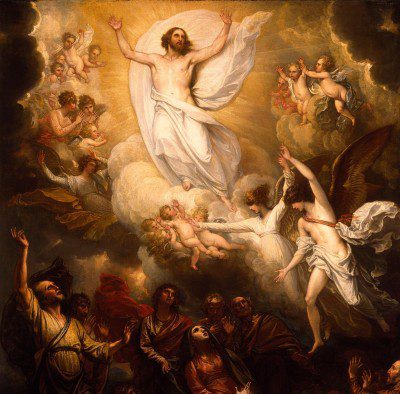
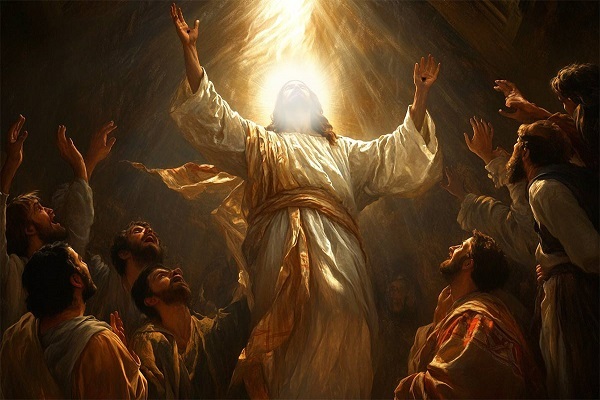
    The Ascension

    ascension /əˈsɛnʃn/

    The noun ascension derives from the Latin word ascendere, meaning "to mound, ascend, go up." You may have observed the ascension, or rising, of a star above the horizon with your telescope. Watching the ascension of a space shuttle up into the earth's atmosphere can be a thrilling experience.

    the process of going up from earth to heaven, especially the process of Jesus Christ going up to heaven after his death and resurrection (= return to life): The Ascension of Christ is depicted in this stained-glass window.

    Spiritual ascension, also known as spiritual awakening, is a natural process of growth. It involves shedding the old self and experiencing a deeply striking inner rebirth. Many describe it as being “upgraded,” “rebooted,” or exaltd in vibrational frequency.

    Ascensiontide refers to the ten-day period between the Feast of the Ascension and the Feast of Pentecost. The Sunday within that period may be referred to as the Seventh Sunday of Easter or the Sunday in Ascensiontide.

    What day did Jesus ascend to heaven?

    Ascension, in Christian belief, the ascent of Jesus Christ into heaven on the 40th day after his Resurrection (Easter being reckoned as the first day). The Feast of the Ascension ranks with Christmas, Easter, and Pentecost in the universality of its observance among Christians.

    Why is Ascension important?

    It shows that Jesus really had overcome death - he wasn't resurrected to die again, but to live forever. For Christians, the fact that Jesus' followers witnessed him ascending into the clouds leaves no doubt that he is alive with the Father in Heaven, and is no longer limited to living on Earth.

    Lord Jesus Christ ascended into heaven
    devotion.blogfa.com
    بسم الله الرحمن الرحیم

    devotion means  love, loyalty, or enthusiasm for a person or activity
    devotion == to be profoundly dedicated or earnestly attached
    devotion is religious worship or observance
    devotion
    /dɪˈvəʊʃ(ə)n/

    always be healthy
    God bless you

    We are here to heal

    Little Kids Praying

    Little Kids Praying

    Little Kids Praying

    Little Kids Praying

    Angel you will never walk alone

    Angel Watching over US

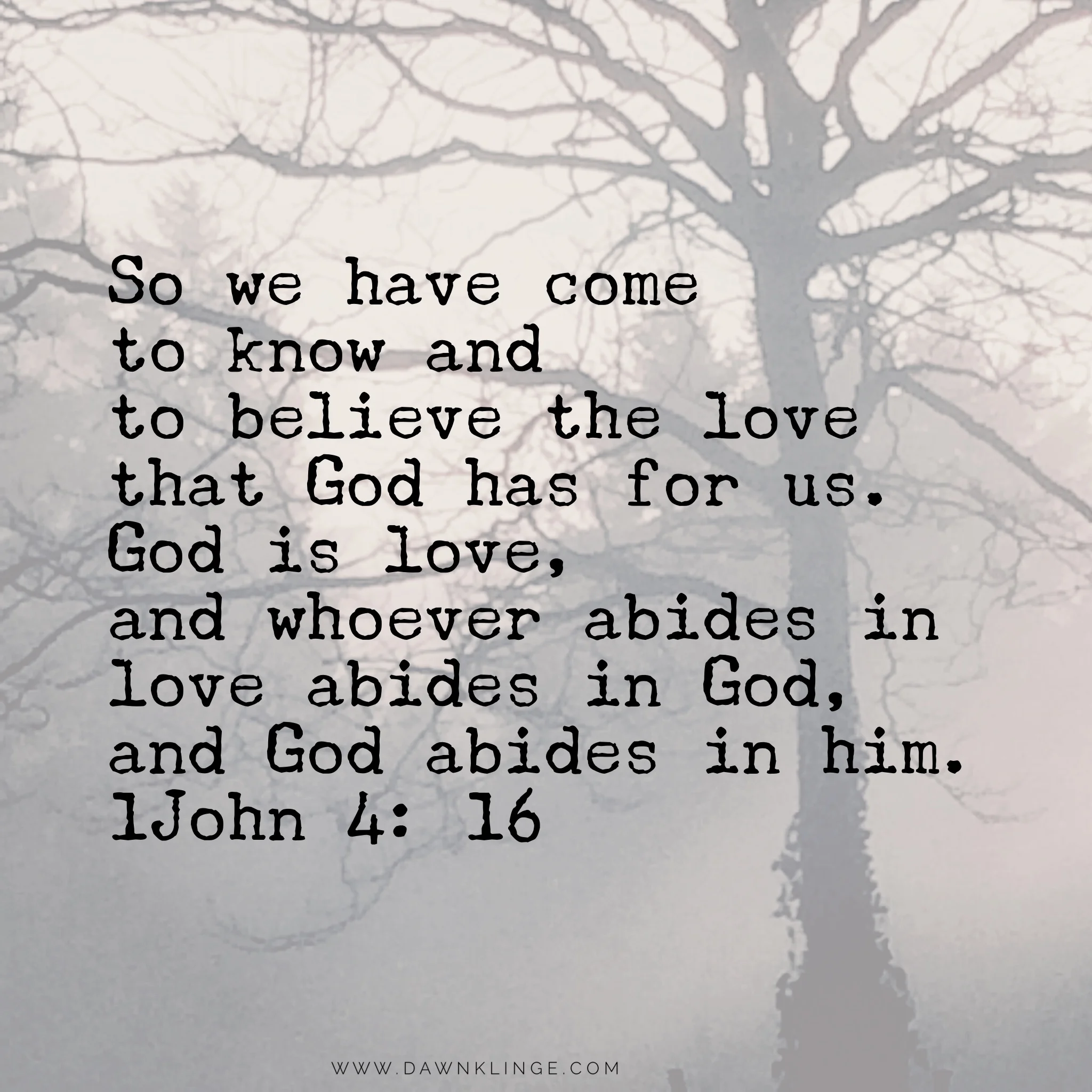
    God is Love

    Ask God