ابزار وبمستر

An angel is a spiritual (without a physical body), heavenly, or supernatural being, usually humanoid with bird-like wings, often depicted as a messenger or intermediary between God (the transcendent) and humanity (the profane) in various traditions like the Abrahamic religions.

What does God say about the angels?

Angels are sent by God to deliver us from our troubles. “The angel of the LORD encamps all around those who fear Him, and delivers them” (Psalm 34:7). God also sends angels to bring His messages to guide us in our own ministry (Acts 8:26).

Who are the 12 angels of God?

In the Kabbalah there are traditionally twelve archangels, who are each assigned to a certain sephira: Shubael, Raziel, Cassiel, Zadkiel, Camael, Michael, Uriel & Haniel, Raphael & Jophiel, Gabriel, and Azrael.
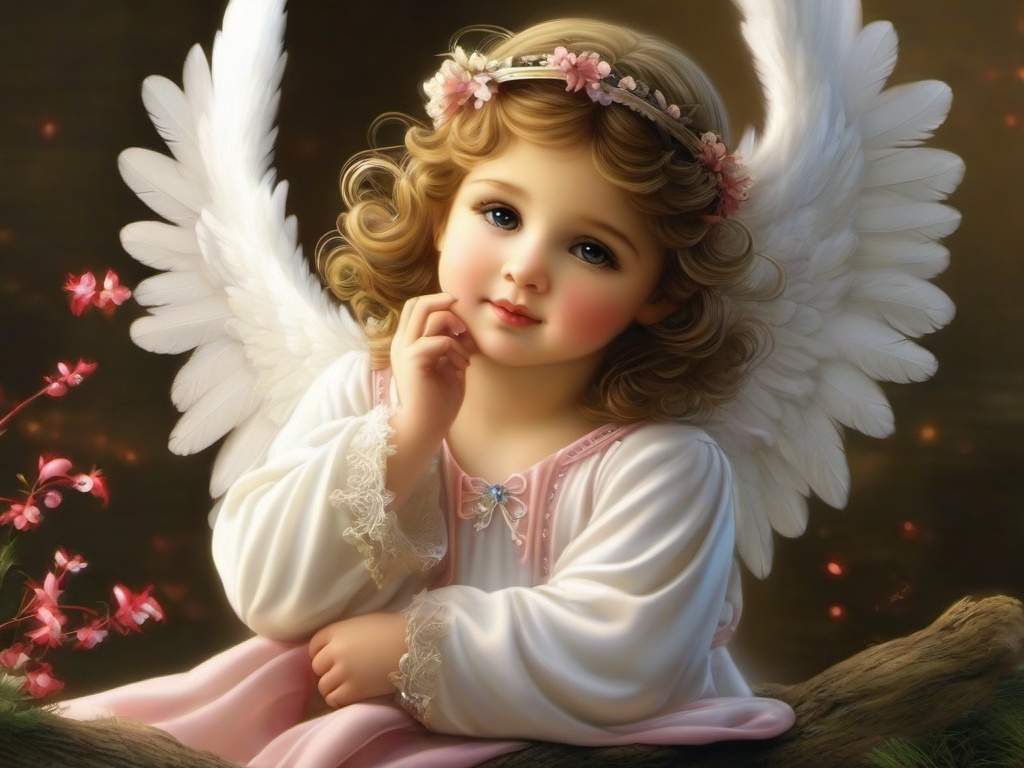
Most Muslims believe that angels or malaikah were created before humans with the purpose of following the orders of Allah and communicating with humans. Angels are immortal close ImmortalTo have the ability to live forever without death. , are made of light and have wings.

What does Islam say about angels?

In Islam, angels are heavenly creatures created by God. They are considered older than humans and jinn. Although Muslim authors disagree on the exact nature of angels, they agree that they are autonomous entities with subtle bodies.

They are pure and cannot sin.
How do angels appear to us?

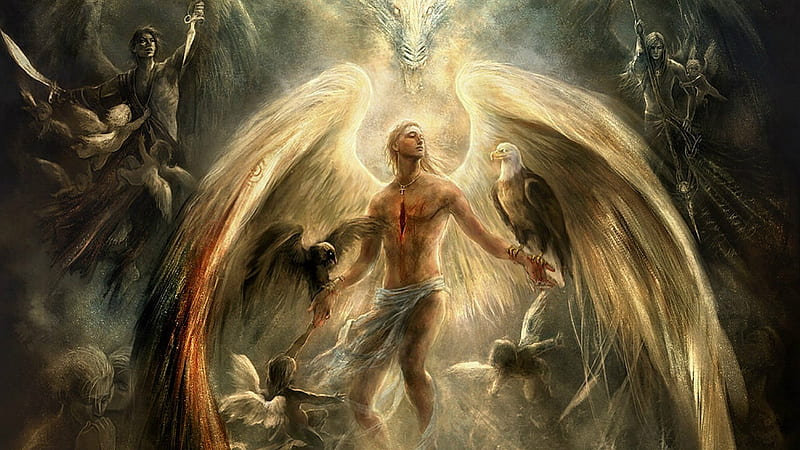
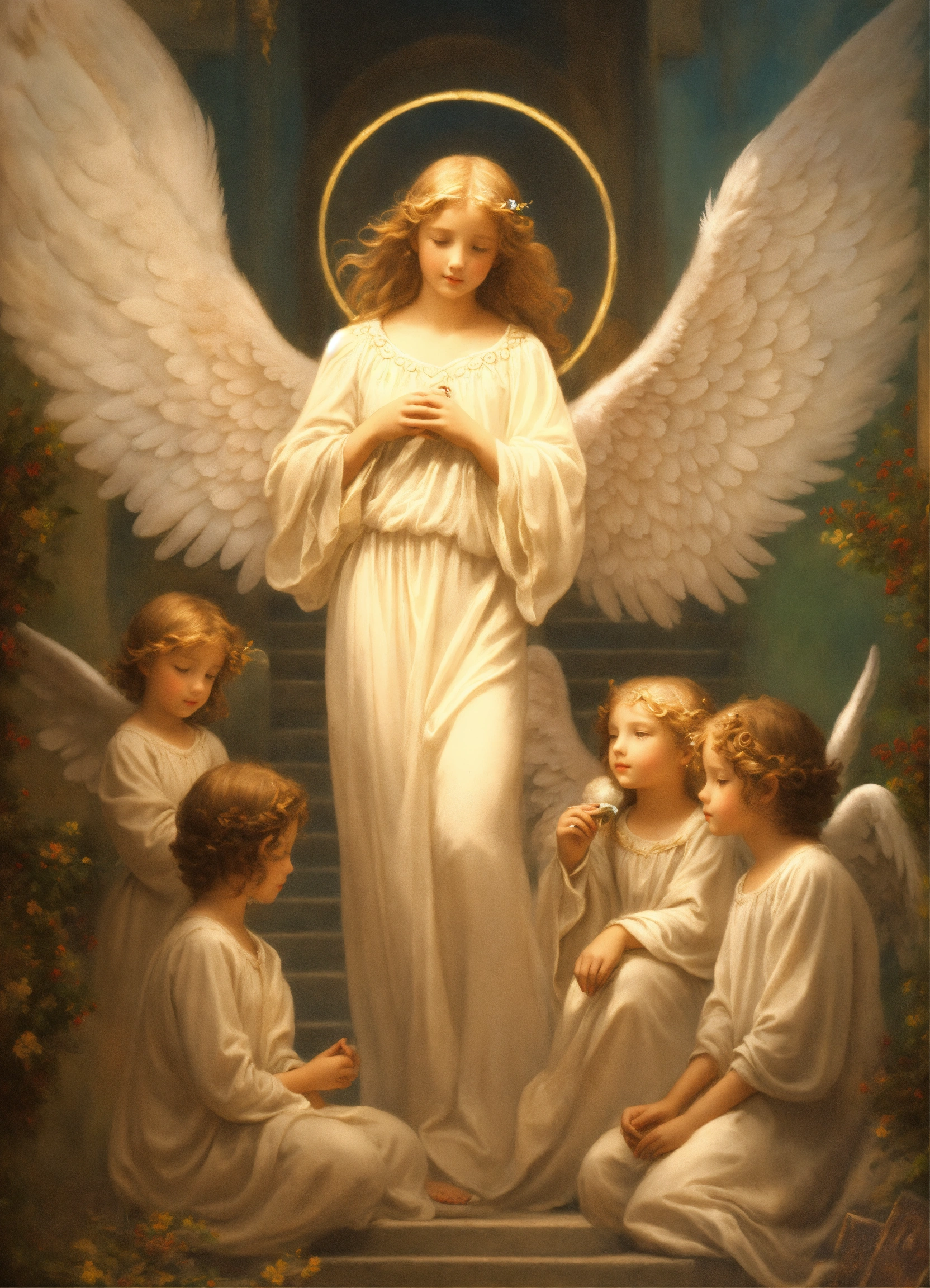
Angels often appear in heavenly form – in ways that distinguish them as angels who have crossed from heaven into our earth. Those ways can include showing up as glowing light or as figures with beautiful wings.
How does the Bible describe the appearance of angels?

Mysterious as they are, angels in the Bible are often described with human qualities, even speaking like people and bearing human-sounding names. Also, they do not appear to have wings. The cherubim are equally mysterious, said to have wild human and animal-like features, and yes—these beings have wings.

Do angels have gender?

It is true that we believe that angels do not have gender. Angels unlike human beings are pure spirit. This is why when people say that a human being has become an angel in heaven that is incorrect. Any human being in heaven is a saint.
Can little children see angels?

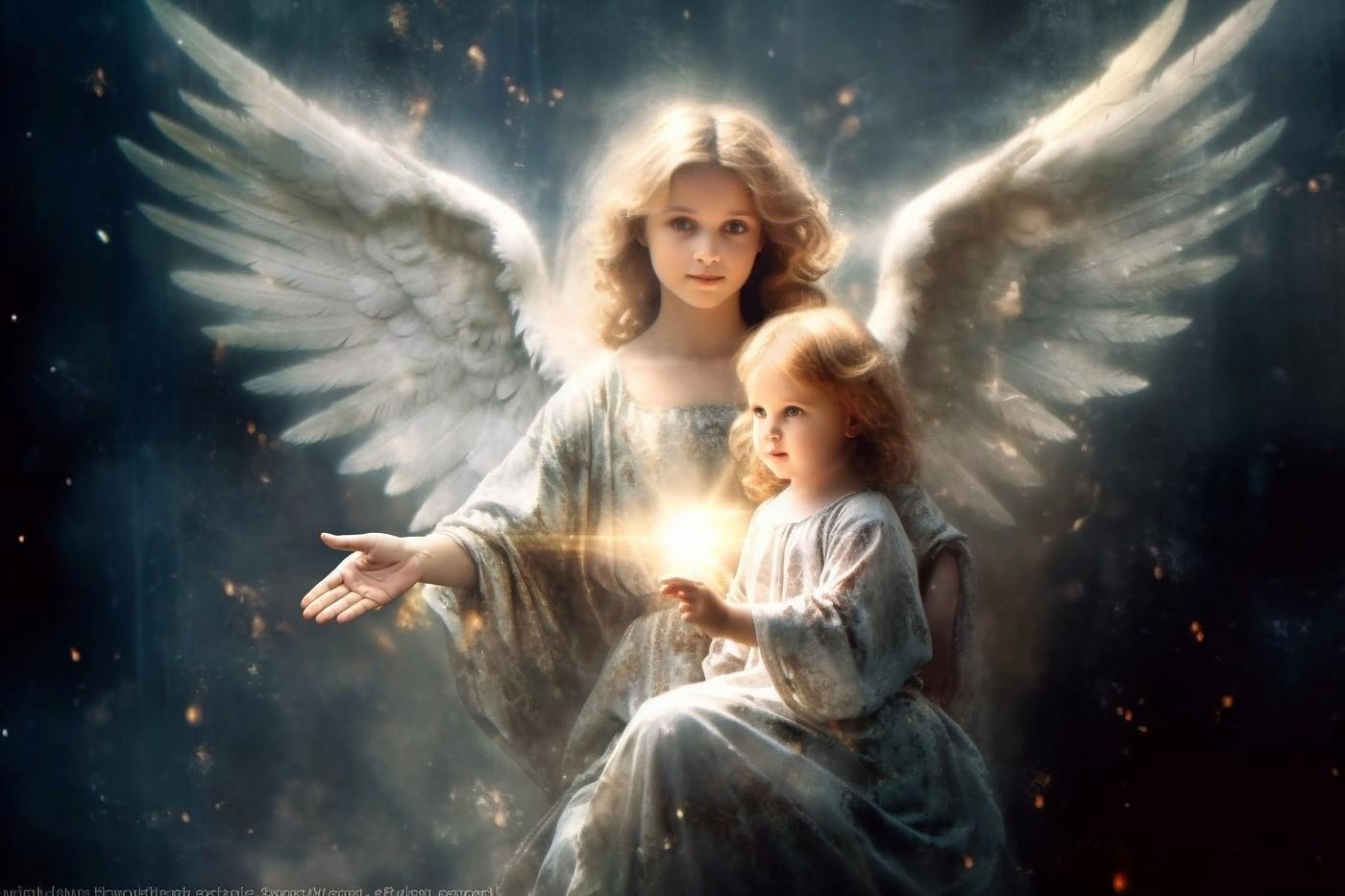
Answer: All children see their Guardian Angel, as well as some of their Guides, that is the Guides who will stay with them throughout their lives. Many Guides come and go as needed, but everyone has permanent Guides as well. As infants, most see their Guides and Guardians as centers of light.

Does angels have a physical body?

Well, that's quite an interesting question. We humans tend to think in human terms, but angels are not humans. They are a different being. “Angels do not have material bodies, but they are definite and discrete beings; they are of spirit nature and origin” No one human would be able to say what they are made of.
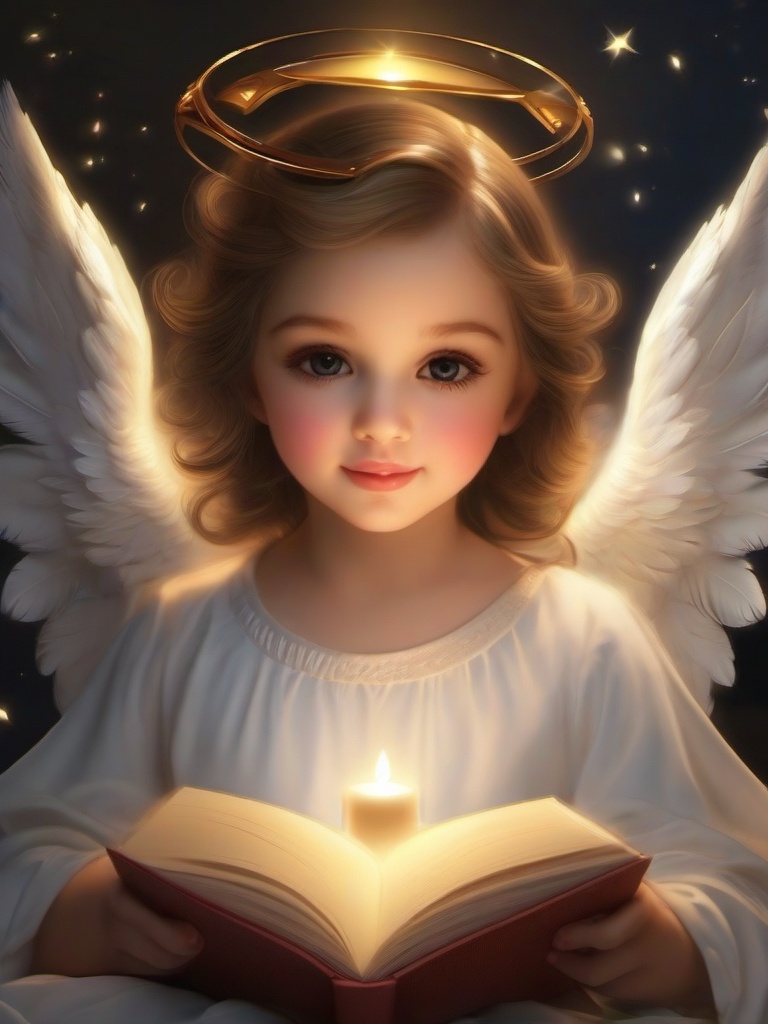
Talking With Children About Angels

The angels are created spirit Beings and are not at all composed of matter; they do have bodies , but it is not made of material or physical substance. The Bible says, they are “ministering spirits” (Hebrews 1:14).

Angels are a form of spiritual beings created by Allah to perform various assigned duties. There are numerous angels. They are bound to obey the commands of Allah. Unlike human beings, they have not been given the choice to do either right or wrong.

In the Holy Qur’an, Angels are frequently referred to as malak and rasool which, in Arabic language, means power and messenger, respectively. These literal meanings indicate the nature of various duties of the Angels.

Angels do not possess any fixed material form. They cannot be seen with our physical eyes due to our limited faculties. But when they appear to human beings (e.g. in a spiritual vision), they appear in such forms which are imaginable by us. For instance, the Archangel Jibra’eel (Gabriel) is known to have appeared to the Holy Prophet Muhammad, may peace and blessing of Allah be upon him, in the form of an ordinary human being. The same Archangel, however, seemed to have appeared to Jesus Christ, may peace be with him, in the form of a dove.

The names of some important Angels of Allah are as follows:

  • Jibra’eel (Gabriel)
  • Mika’eel (Michael)
  • Israfeel (Raphael)
  • Izra’eel (Israel)

Some of their assigned tasks are given below:
How do you connect with your guardian angels
  • The Archangel Jibra’eel controls the communication of divine revelation to the Prophets. It was he who used to bring the Qur’anic revelation to the Holy Prophet Muhammad, may peace and blessing of Allah be upon him.
  • The Chief Angel Mika’eel controls the provision and maintenance of life.
  • The Chief Angel Israfeel is the angel responsible for announcing the last day (the day of Judgement)
  • The Chief Angel Izra’eel controls the phenomenon of death. .

There are other Angels who:

  • Keep record of people’s deeds.
  • Control the maintenance of the universe.
  • Control the operation of the laws of nature.
  • Glorify Allah with His praise.

Can a child be an angel?

To: "Your daughter is an angel in heaven now," you might say, "Oh, I am grateful to know that my daughter is in heaven, but of course she hasn't become an angel. Angels are their own created order. Humans don't become angels when they die.

Another interesting thing about angels is that they can take on different forms. Normally, we cannot see angels because they are invisible to our eyes. However, when angels need to do something important, like delivering messages or guiding people, they can appear in a way that we can see. For example, the angel Jibreel, who is very important in Islam, sometimes appeared to the Prophet Muhammad (PBUH) as a man. This allowed the Prophet to see and talk to him. When angels take on human form, they do it to help people understand the messages from Allah. This ability to change their form shows just how powerful and special angels are, making them able to help us in many different ways.
What is the meaning if you dream about angels

In Islam, there are countless angels, which means there are many, many of them, but only a few are named in the Quran. Each angel has a special job or role to do. Some angels protect humans, watching over us to keep us safe. Others have the important job of carrying out Allah’s commands, like delivering messages or giving out divine punishments. For example, Jibreel is a very important angel who brings messages from Allah to the prophets. Some angels work together in groups, such as the angels who surround the Throne of Allah. These angels are always busy doing their jobs, and each one plays a vital role in Allah’s creation. Their different types and roles show us how organized and powerful Allah’s plan is, and how angels help in so many important ways.

Can you call your kid angel?

If you're looking for a gender-neutral name with a biblical meaning, then the name Angel could be a wonderful choice for your baby. Angel, as a name, means messenger.

In short, according to Islam, the operation and maintenance of the whole Universe, including our world, is maintained and controlled by Allah through His Angels.

What makes a girl an angel?

"An angel of a woman" is quite idiomatic. It means a woman who has "angelic" qualities, such as kindness, mercy, holiness, and patience.
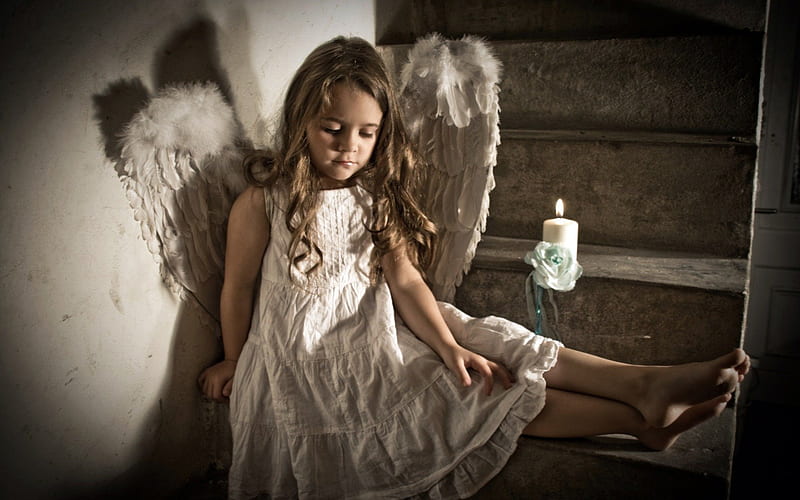
Angel of God,
my guardian dear,
To whom God's love
commits me here,

Ever this day,
be at my side,
To light and guard,
Rule and guide.
Amen.

See also:

  • Is your child an angel?
  • What angel protects kids?
  • Did Jesus say children have angels?
  • How do angels help people in their daily lives?
  • What causes some people to believe that kids are angels
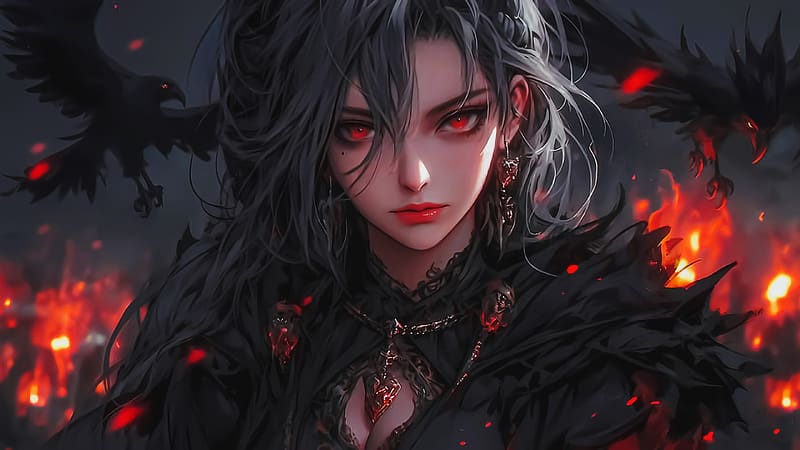
Prosopometamorphopsia (PMO) is a rare and intriguing neurological condition characterized by the visual distortion of faces. Individuals with this disorder perceive faces in an altered or distorted manner, ranging from slight changes in facial features to severe distortions that significantly impact recognition. This phenomenon is distinct from prosopagnosia, which is the inability to recognize faces. Instead, prosopometamorphopsia involves recognizing faces but seeing them in a distorted way, making social interactions challenging and sometimes distressing. The condition typically affects only faces, leaving other objects in the visual field undistorted. One notable feature of this rare condition is that it can make faces appear 'demonic'.

The term "prosopometamorphopsia" was first introduced by Macdonald Critchley in 1953 to specifically describe visual distortions related to faces (Critchley, 1953). Unlike other visual hallucinations or distortions that might affect various objects or scenes, prosopometamorphopsia is unique in its specificity to faces. This specificity underscores the specialized processing our brains undertake for facial recognition and highlights the complexity of our visual and cognitive systems.

Individuals with prosopometamorphopsia often report seeing faces as warped, elongated, or otherwise altered. Some might perceive facial features as being out of proportion or misplaced, and in more severe cases, faces may appear animal-like or monstrous. These distortions can vary in their severity and consistency, sometimes appearing intermittently or being triggered by certain conditions or stimuli.

The condition primarily affects the way faces are perceived, not necessarily other objects or scenes. This suggests a localized disruption in the brain areas responsible for face processing, such as the fusiform face area (FFA). The FFA is known to play a crucial role in facial recognition, and disruptions here can lead to the specific distortions seen in prosopometamorphopsia.

The experience of prosopometamorphopsia can be profoundly unsettling for those affected. It can interfere with social interactions, as recognizing and interpreting facial expressions is a fundamental aspect of human communication. For some, this condition may lead to social withdrawal or anxiety, emphasizing the importance of understanding and addressing the disorder.

While prosopometamorphopsia is a rare condition, it offers valuable insights into the workings of the human brain, particularly the neural mechanisms underlying face perception. Ongoing research aims to deepen our understanding of this condition and explore potential treatments and interventions to help those affected manage their symptoms more effectively.

Causes of Prosopometamorphopsia

The causes of prosopometamorphopsia are multifaceted and can be attributed to various neurological and physiological factors. This condition, characterized by the visual distortion of faces, often stems from disruptions in specific areas of the brain responsible for facial recognition and processing. Understanding these underlying causes is essential for diagnosing and potentially treating prosopometamorphopsia.

One primary cause of prosopometamorphopsia is damage or dysfunction in the fusiform face area (FFA) of the brain. The FFA, located in the temporal lobe, is critically involved in recognizing and interpreting faces. Damage to this area can occur due to traumatic brain injury, stroke, or tumors, leading to the visual distortions characteristic of prosopometamorphopsia (Kanwisher & Yovel, 2006). This damage disrupts the normal processing pathways for facial recognition, resulting in the altered perception of faces.

What are the signs of any jinn in your house

Another significant cause is epilepsy, particularly temporal lobe epilepsy. Seizures originating in the temporal lobe can interfere with the normal functioning of the FFA and other related neural circuits. During or after a seizure, individuals may experience transient episodes of prosopometamorphopsia. These episodes may vary in frequency and intensity, depending on the severity and control of the epilepsy (Liu et al., 2011).

Migraine aura is also associated with prosopometamorphopsia. Migraines, especially those accompanied by visual auras, can temporarily alter neural activity in the visual cortex and other brain regions involved in visual perception. During a migraine aura, individuals may experience visual distortions, including those affecting the perception of faces (Kale et al., 2008). These distortions are usually temporary and subside as the migraine resolves.

Neurodegenerative diseases, such as Alzheimer's disease and Parkinson's disease, can also contribute to prosopometamorphopsia. These conditions cause progressive deterioration of brain function, affecting various cognitive and perceptual processes. As the disease progresses, the neural pathways involved in facial recognition may become impaired, leading to distorted facial perceptions (Kempster et al., 2010).

Psychiatric disorders, such as schizophrenia, have been linked to prosopometamorphopsia as well. In schizophrenia, abnormal brain activity and neurotransmitter imbalances can affect visual processing, including the perception of faces. Patients with schizophrenia may report seeing faces as distorted or altered, reflecting the broader perceptual and cognitive disturbances characteristic of the disorder (Phillips & David, 1995).

What are the 5 types of schizophrenia?

In the past schizophrenia used to be divided into 5 subtypes including paranoid, catatonic, disorganized, residual, and undifferentiated. Presently experts understand that individuals with schizophrenia often experience overlapping symptoms throughout their lives and such subtypes are not always useful.

In some cases, drug use and intoxication can induce prosopometamorphopsia. Hallucinogenic drugs, such as LSD and psilocybin, can alter brain function and visual perception, leading to temporary visual distortions, including those affecting faces. These drug-induced distortions typically resolve once the effects of the drug wear off (Nichols, 2016).

Understanding the diverse causes of prosopometamorphopsia is crucial for developing appropriate diagnostic and therapeutic strategies. By identifying the underlying neurological or physiological disruptions, healthcare professionals can better tailor treatments to address the specific needs of individuals affected by this condition.

Reference:

  • all-about-psychology.com/prosopometamorphopsia.html
  • lifeadjustmentteam.com/here-are-the-5-types-of-schizophrenia-you-should-know

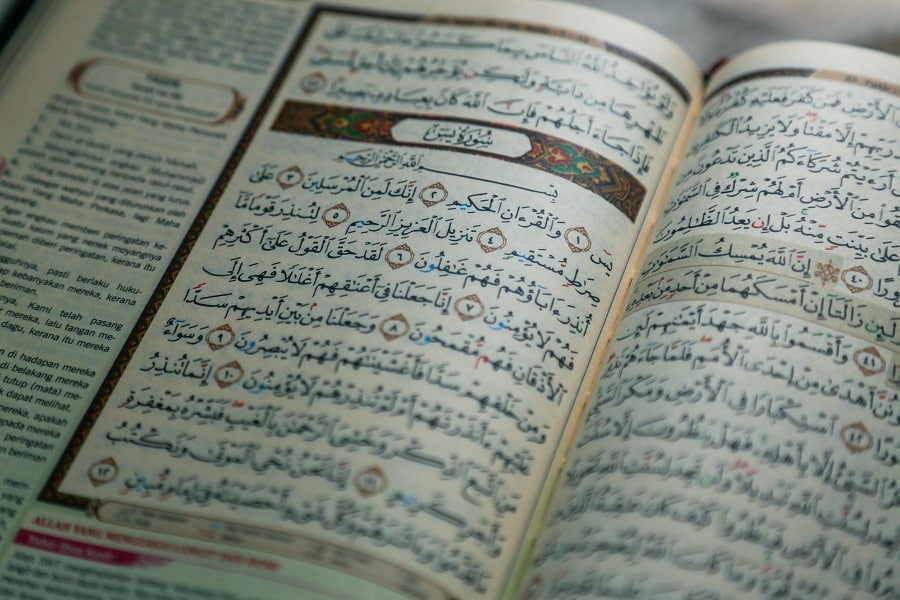
Ad-Dukhan. Ad-Dukhan (Arabic: الدخان, ad-dukhān; meaning: Smoke) is the 44th chapter (surah) of the Quran with 59 verses (ayat) and it is revealed in “Makka” so-referred as the “Makki” Surah.

No. of letters: 1439 No. of Rukus: 3 No. of verses: 59 No. of words: 346 Position: Juzʼ 25

Benefits of Reciting Surah Dukhan

  1. Being forgiven of one’s past sins: The Noble Prophet has said, “Whoever recites surah Dukhan at night, will be forgiven of his past sins.
  2. Being safe from the evil of the jinn: If someone writes surah Dukhan and attaches it to the clothes of a child, he will be safe from the evil of the jinn and stinging insects.
  3. For being honorable before people: Whoever writes this surah and carries it with himself, he will be honorable in the eyes of people, and if he drinks from the water of that writing, he will be safe from the evil of snitches.
  4. Being relieved of the temptations of Satan: The Noble Prophet has been quoted as saying, “Whoever writes surah Dukhan and keeps it with himself, he will be safe from the guile and cunning of Satan. Moreover, if this surah is written and placed under one’s pillow, one will see sweet dreams and will be relieved of nightly anxiety.
  5. Relief from headache: If surah Dukhan is written, then washed, and its water is given to someone who has a headache, they will feel well.
  6. For increase in profit and wealth: If merchants and tradesmen keep the writing of this surah in their workplace, they will make a substantial profit and will acquire great wealth.

بِسْمِ اللَّهِ الرَّحْمَٰنِ الرَّحِيمِ

حم﴿١﴾

به نام خدا که رحمتش بی‌اندازه است و مهربانی‌اش همیشگی

حاء، میم (۱)

وَالْكِتَابِ الْمُبِينِ ﴿٢﴾

سوگند به [این] کتاب روشنگر؛ (۲)

إِنَّا أَنْزَلْنَاهُ فِي لَيْلَةٍ مُبَارَكَةٍ ۚ إِنَّا كُنَّا مُنْذِرِينَ ﴿٣﴾

به راستی ما آن را در شبی پربرکت نازل کردیم؛ زیرا که همواره بیم دهنده بوده ایم؛ (۳)

فِيهَا يُفْرَقُ كُلُّ أَمْرٍ حَكِيمٍ ﴿٤﴾

در آن شب هر کار استواری [به اراده خدا] فیصله می یابد. (۴)

أَمْرًا مِنْ عِنْدِنَا ۚ إِنَّا كُنَّا مُرْسِلِينَ ﴿٥﴾

[نزول قرآن] کاری است [که] از نزد ما [صورت پذیرفته است؛] زیرا ما همواره فرستنده [وحی و پیامبران] بوده ایم. (۵)

رَحْمَةً مِنْ رَبِّكَ ۚ إِنَّهُ هُوَ السَّمِيعُ الْعَلِيمُ ﴿٦﴾

[همه این واقعیات] به سبب رحمتی از سوی پروردگار توست؛ بی تردید او شنوا وداناست. (۶)

رَبِّ السَّمَاوَاتِ وَالْأَرْضِ وَمَا بَيْنَهُمَا ۖ إِنْ كُنْتُمْ مُوقِنِينَ ﴿٧﴾

[همان] پروردگار آسمان ها و زمین و آنچه میان آنهاست، اگر یقین دارید. (۷)

لَا إِلَٰهَ إِلَّا هُوَ يُحْيِي وَيُمِيتُ ۖ رَبُّكُمْ وَرَبُّ آبَائِكُمُ الْأَوَّلِينَ ﴿٨﴾

هیچ معبودی جز او نیست، زنده می کند و می میراند، پروردگار شما وپروردگار پدران پیشین شماست. (۸)

بَلْ هُمْ فِي شَكٍّ يَلْعَبُونَ ﴿٩﴾

[نه اینکه یقین ندارند] بلکه آنان در شک اند [و با گفتار و کردارشان با حقایق] بازی می کنند. (۹)

فَارْتَقِبْ يَوْمَ تَأْتِي السَّمَاءُ بِدُخَانٍ مُبِينٍ ﴿١٠﴾

پس به انتظار روزی باش که آسمان دودی آشکار بیاورد، (۱۰)

يَغْشَى النَّاسَ ۖ هَٰذَا عَذَابٌ أَلِيمٌ ﴿١١﴾

که همه مردم را فرا می گیرد، این عذابی دردناک است. (۱۱)

رَبَّنَا اكْشِفْ عَنَّا الْعَذَابَ إِنَّا مُؤْمِنُونَ ﴿١٢﴾

[همه می گویند:] پروردگارا! این عذاب را از ما برطرف کن که ما ایمان می آوریم (۱۲)

أَنَّىٰ لَهُمُ الذِّكْرَىٰ وَقَدْ جَاءَهُمْ رَسُولٌ مُبِينٌ ﴿١٣﴾

[در آن موقعیت سخت] چگونه برای آنان جای پند گرفتن و هوشیاری است و حال آنکه [پیش از این عذاب] پیامبری روشنگر برای آنان آمد [و پند نگرفتند.] (۱۳)

ثُمَّ تَوَلَّوْا عَنْهُ وَقَالُوا مُعَلَّمٌ مَجْنُونٌ ﴿١٤﴾

آن گاه از او روی گرداندند و گفتند: تعلیم یافته ای دیوانه است!! (۱۴)

إِنَّا كَاشِفُو الْعَذَابِ قَلِيلًا ۚ إِنَّكُمْ عَائِدُونَ ﴿١٥﴾

مدتی اندک عذاب را برطرف می کنیم، ولی باز شما [به همان عقاید بی پایه و اعمال زشت] برمی گردید! (۱۵)

يَوْمَ نَبْطِشُ الْبَطْشَةَ الْكُبْرَىٰ إِنَّا مُنْتَقِمُونَ ﴿١٦﴾

[ما از آنان انتقام خواهیم گرفت آن] روزی که آنان را با قدرتی بسیار سخت بگیریم؛ زیرا که ما انتقام گیرنده ایم. (۱۶)

وَلَقَدْ فَتَنَّا قَبْلَهُمْ قَوْمَ فِرْعَوْنَ وَجَاءَهُمْ رَسُولٌ كَرِيمٌ ﴿١٧﴾

و همانا پیش از آنان قوم فرعون را آزمودیم، و پیامبری بزرگوار برای آنان آمد، (۱۷)

أَنْ أَدُّوا إِلَيَّ عِبَادَ اللَّهِ ۖ إِنِّي لَكُمْ رَسُولٌ أَمِينٌ ﴿١٨﴾

که [به آنان گفت:] بندگان خدا را [که به آزار و شکنجه شما گرفتارند] به من واگذارید؛ زیرا من برای شما فرستاده ای امینم. (۱۸)

وَأَنْ لَا تَعْلُوا عَلَى اللَّهِ ۖ إِنِّي آتِيكُمْ بِسُلْطَانٍ مُبِينٍ ﴿١٩﴾

و در برابر خدا تکبّر نکنید که من برای شما دلیلی روشن آورده ام. (۱۹)

وَإِنِّي عُذْتُ بِرَبِّي وَرَبِّكُمْ أَنْ تَرْجُمُونِ ﴿٢٠﴾

و من به پروردگارم و پروردگار شما از اینکه مرا سنگسار کنید [یا برانید یا متهم کنید] پناه می برم؛ (۲۰)

وَإِنْ لَمْ تُؤْمِنُوا لِي فَاعْتَزِلُونِ ﴿٢١﴾

و اگر به من ایمان نمی آورید [از آزردن من و باز داشتن مردم از ایمان آوردن] کناره گیری کنید. (۲۱)

فَدَعَا رَبَّهُ أَنَّ هَٰؤُلَاءِ قَوْمٌ مُجْرِمُونَ ﴿٢٢﴾

[فرعونیان دست از آزردنش برنداشتند و مردم را از ایمان آوردن مانع شدند] پس پروردگارش را خواند که اینان قومی گناهکارند. (۲۲)

فَأَسْرِ بِعِبَادِي لَيْلًا إِنَّكُمْ مُتَّبَعُونَ ﴿٢٣﴾

[گفتم:] بندگانم را شبانه حرکت ده؛ زیرا شما مورد تعقیب هستید، (۲۳)

وَاتْرُكِ الْبَحْرَ رَهْوًا ۖ إِنَّهُمْ جُنْدٌ مُغْرَقُونَ ﴿٢٤﴾

و دریا را با [همان] راه های گشاده [که برای عبور شما باز کردیم] پشت سر بگذار [تا فرعونیان هم در آن درآیند]؛ زیرا آنان سپاهی محکوم به غرق شدن هستند. (۲۴)

كَمْ تَرَكُوا مِنْ جَنَّاتٍ وَعُيُونٍ ﴿٢٥﴾

چه بسیار بوستان ها و چشمه سارانی که آنان [پس از خود] بر جای گذاشتند، (۲۵)

وَزُرُوعٍ وَمَقَامٍ كَرِيمٍ ﴿٢٦﴾

و کشتزار و جایگاه های نیکو و باارزش، (۲۶)

وَنَعْمَةٍ كَانُوا فِيهَا فَاكِهِينَ ﴿٢٧﴾

و نعمت هایی که با آسایش و خوشی از آن برخوردار بودند. (۲۷)

كَذَٰلِكَ ۖ وَأَوْرَثْنَاهَا قَوْمًا آخَرِينَ ﴿٢٨﴾

[آری، سرانجام کارشان] چنین بود و ما همه آنها را به قومی دیگر به میراث دادیم. (۲۸)

فَمَا بَكَتْ عَلَيْهِمُ السَّمَاءُ وَالْأَرْضُ وَمَا كَانُوا مُنْظَرِينَ ﴿٢٩﴾

پس نه آسمان برآنان گریست و نه زمین و [هنگام نزول عذاب هم] مهلت نیافتند. (۲۹)

وَلَقَدْ نَجَّيْنَا بَنِي إِسْرَائِيلَ مِنَ الْعَذَابِ الْمُهِينِ ﴿٣٠﴾

همانا ما بنی اسرائیل را از آن عذاب خوارکننده نجات دادیم. (۳۰)

مِنْ فِرْعَوْنَ ۚ إِنَّهُ كَانَ عَالِيًا مِنَ الْمُسْرِفِينَ ﴿٣١﴾

از فرعون که متکبری سرکش از زمره اسراف کاران بود، (۳۱)

وَلَقَدِ اخْتَرْنَاهُمْ عَلَىٰ عِلْمٍ عَلَى الْعَالَمِينَ ﴿٣٢﴾

و آنان را از روی آگاهی بر جهانیان [زمان خودشان] برگزیدیم؛ (۳۲)

وَآتَيْنَاهُمْ مِنَ الْآيَاتِ مَا فِيهِ بَلَاءٌ مُبِينٌ ﴿٣٣﴾

و به آنان از آیات و معجزات آنچه را که در آن آزمایشی آشکار بود، عطا کردیم. (۳۳)

إِنَّ هَٰؤُلَاءِ لَيَقُولُونَ ﴿٣٤﴾

اینان [که شرک و کفر سراپای وجودشان را فرا گرفته است] با اصرار [به اهل ایمان] می گویند: (۳۴)

إِنْ هِيَ إِلَّا مَوْتَتُنَا الْأُولَىٰ وَمَا نَحْنُ بِمُنْشَرِينَ ﴿٣٥﴾

پایان زندگی جز همین مرگ نخستین نیست و ما [پس از این مرگ] برانگیخته نخواهیم شد. (۳۵)

فَأْتُوا بِآبَائِنَا إِنْ كُنْتُمْ صَادِقِينَ ﴿٣٦﴾

اگر شما [در زمینه زنده شدن مردگان] راستگویید [با درخواست از خدا] پدران ما را [زنده کنید و نزد ما] بیاورید [تا ما به زنده شدن مردگان یقین پیدا کنیم!!] (۳۶)

أَهُمْ خَيْرٌ أَمْ قَوْمُ تُبَّعٍ وَالَّذِينَ مِنْ قَبْلِهِمْ ۚ أَهْلَكْنَاهُمْ ۖ إِنَّهُمْ كَانُوا مُجْرِمِينَ ﴿٣٧﴾

آیا اینان [در قدرت و شوکت] برترند یا قوم تُبَّع، و کسانی که پیش از آنان بودند؟ ما همه آنان را هلاک کردیم؛ زیرا مجرم بودند؛ (۳۷)

وَمَا خَلَقْنَا السَّمَاوَاتِ وَالْأَرْضَ وَمَا بَيْنَهُمَا لَاعِبِينَ ﴿٣٨﴾

و ما آسمان ها و زمین و آنچه را میان آن دو است، به بازی نیافریده ایم؛ (۳۸)

مَا خَلَقْنَاهُمَا إِلَّا بِالْحَقِّ وَلَٰكِنَّ أَكْثَرَهُمْ لَا يَعْلَمُونَ ﴿٣٩﴾

ما آن دو را جز به درستی و راستی به وجود نیاورده ایم، ولی بیشترشان [به حقایق] معرفت و آگاهی ندارند. (۳۹)

إِنَّ يَوْمَ الْفَصْلِ مِيقَاتُهُمْ أَجْمَعِينَ ﴿٤٠﴾

بی تردید روز جدایی [حق از باطل، مؤمن از کافر و پاک از ناپاک] وعده گاه همه آنهاست؛ (۴۰)

يَوْمَ لَا يُغْنِي مَوْلًى عَنْ مَوْلًى شَيْئًا وَلَا هُمْ يُنْصَرُونَ ﴿٤١﴾

همان روزی که هیچ دوستی چیزی از عذاب را از دوستش دفع نمی کند، و چون [آلوده به شرک و کفرند] یاری نمی شوند؛ (۴۱)42

إِلَّا مَنْ رَحِمَ اللَّهُ ۚ إِنَّهُ هُوَ الْعَزِيزُ الرَّحِيمُ ﴿٤٢﴾

مگر کسی که خدا او را مورد رحمت قرار داده است؛ زیرا او توانای شکست ناپذیر و مهربان است (۴۲)

إِنَّ شَجَرَتَ الزَّقُّومِ ﴿٤٣﴾

همانا درخت زقّوم، (۴۳)

طَعَامُ الْأَثِيمِ ﴿٤٤﴾

خوراک گنهکار است، (۴۴)

كَالْمُهْلِ يَغْلِي فِي الْبُطُونِ ﴿٤٥﴾

مانند مس گداخته شده در شکم ها می جوشد، (۴۵)

كَغَلْيِ الْحَمِيمِ ﴿٤٦﴾

چون جوشیدن آب جوشان (۴۶)

خُذُوهُ فَاعْتِلُوهُ إِلَىٰ سَوَاءِ الْجَحِيمِ ﴿٤٧﴾

[گفته می شود:] این گنهکار را بگیرید و او را به زور به وسط دوزخ بکشانید. (۴۷)

ثُمَّ صُبُّوا فَوْقَ رَأْسِهِ مِنْ عَذَابِ الْحَمِيمِ ﴿٤٨﴾

آن گاه از عذاب آب جوشان بر سرش فرو ریزید؛ (۴۸)

ذُقْ إِنَّكَ أَنْتَ الْعَزِيزُ الْكَرِيمُ ﴿٤٩﴾

[و بگویید:] بچش که تو همان ارجمند و بزرگواری!! (۴۹)

إِنَّ هَٰذَا مَا كُنْتُمْ بِهِ تَمْتَرُونَ ﴿٥٠﴾

به یقین این همان چیزی است که همواره درباره آن تردید می کردید. (۵۰)

إِنَّ الْمُتَّقِينَ فِي مَقَامٍ أَمِينٍ ﴿٥١﴾

مسلماً پرهیزکاران در جایگاه امنی خواهند بود. (۵۱)

فِي جَنَّاتٍ وَعُيُونٍ ﴿٥٢﴾

در میان بوستان ها و چشمه سارها؛ (۵۲)

يَلْبَسُونَ مِنْ سُنْدُسٍ وَإِسْتَبْرَقٍ مُتَقَابِلِينَ ﴿٥٣﴾

لباس هایی از حریر نازک و دیبای ضخیم می پوشند در حالی که برابر هم می نشینند. (۵۳)

كَذَٰلِكَ وَزَوَّجْنَاهُمْ بِحُورٍ عِينٍ ﴿٥٤﴾

[آری سرانجام کار پرهیزکاران] چنین است، و حور العین را به همسری آنان درآوریم، (۵۴)

يَدْعُونَ فِيهَا بِكُلِّ فَاكِهَةٍ آمِنِينَ ﴿٥٥﴾

در آنجا هر گونه میوه ای را که بخواهند می طلبند و می خورند، در حالی که [از هر جهت] ایمن و آسوده خاطرند؛ (۵۵)

لَا يَذُوقُونَ فِيهَا الْمَوْتَ إِلَّا الْمَوْتَةَ الْأُولَىٰ ۖ وَوَقَاهُمْ عَذَابَ الْجَحِيمِ ﴿٥٦﴾

در آنجا مرگ را نمی چشند، مرگ آنان همان مرگی بود که در دنیا چشیدند، و خدا آنان را از عذاب دوزخ مصون می دارد. (۵۶)

فَضْلًا مِنْ رَبِّكَ ۚ ذَٰلِكَ هُوَ الْفَوْزُ الْعَظِيمُ ﴿٥٧﴾

[این] فضل و احسانی است از سوی پروردگار تو، [و] این همان کامیابی بزرگ است. (۵۷)

فَإِنَّمَا يَسَّرْنَاهُ بِلِسَانِكَ لَعَلَّهُمْ يَتَذَكَّرُونَ ﴿٥٨﴾

پس جز این نیست که ما [فهم] قرآن را با زبان تو [که زبانی فصیح و گویاست] آسان ساختیم تا آنان متذکّر و هوشیار شوند. (۵۸)

فَارْتَقِبْ إِنَّهُمْ مُرْتَقِبُونَ ﴿٥٩﴾

[ولی اگر متذکّر و هوشیار نشدند] پس به انتظار باش که مسلماً آنان هم منتظرند [که سرانجام کار چه خواهد شد؟ سرانجام نصرت و پیروزی خدا برای تو و عذاب دنیا و آخرت برای آنان است.] (۵۹)

ترس از مرگ و ترس از فقر و ترس از دشمن سه ترسی است که ریشه شیطانی دارد. ترس‌هایی که نه تنها جان مادی ما را بیمه نمی‌کند، بلکه حیات معنوی ما را هم شدیداً به خطر می‌اندازد. بله برای رسیدن به سعادتی جاودان باید این ترس‌های واهی را شناخت و از آنها دوری کرد.

What is the fear of evil?

Fear of evil spirits is termed "demonophobia," a word derived from the Greek "daimon" (deity, evil spirit) and "phobos" (fear). "Daimon" also gives us the English word "demonize," a verb widely used today to brand a person, such as a political opponent, as unfit or untrustworthy.

وقتی صحبت از ترس به میان می‌آید همگان یک صفت ناپسند را در خود مجسم می‌سازند و یا حتی ترسو بودن را یک فحش به شمار می‌آورند. در حالی که باید قبول کنیم برخی از ترس‌ها حیاتی است و موجب حفظ جان ما می‌شود. مثلاً اینکه ما از تصادف با وسایل نقلیه بترسیم و وقت عبور از خیابان مراقبت‌های لازم را به عمل بیاوریم یا از ویروس‌ها و بیماری‌های واگیردار هراس داشته باشیم و اصول بهداشتی را رعایت کنیم. این نوع ترس‌ها سلامت جسمانی ما را تأمین می‌کند. پس ترس انواعی دارد که برخی از آنها حتی برای سلامتی بدن ما لازم و ضروری است. توجه به این نکته و بررسی آیات قرآن کریم این مطلب را نیز برای ما روشن می‌سازد که برای تأمین سلامت معنوی و اخروی هم ترس امری لازم و ضروری است البته نه هر ترسی بلکه ترسی خوب است که برای ما عاقبت به خیری را رقم بزند یا سبب شود از محیط آلوده و گناه دوری کنیم.

حتما نام کرام الکاتبین را شنیده اید؟!

چرا خداوند برای بشر فرشتگانی ناظر قرار داده است؟

کلمه "کرام الکاتبین" در زبان فارسی به معنای "فرشتگان نوشته‌بردار" یا "نگهبانان اعمال" است و اصطلاحی دینی و اخلاقی به شمار می‌آید.

همان ملک گرامی ای که مأمور نوشتن اعمال است ، شاید در ذهن شما هم این پرسش شکل گرفته باشد که خداوند متعال چه نیازی دارد که فرشته ای را ناظر بر انسان قرار دهد مگر خود بر اعمال انسان واقف نیست؟

رسول خدا (ص) فرمود: خداوند شما را از عریان بودن نهى فرموده است. پس حیا کنید از فرشتگان خدا که با شما هستند; همان «کرام الکاتبین» که ارجمند و نویسنده اعمال اند. آنان که از شما جدا نمى شوند; مگر در سه مورد که رفع نیاز مى کنید: هنگام تخلّى، جنابت و غسل.

Do angels record our actions?

Recording angels are angels in Judaic, Christian, and Islamic angelology. Recording angels are assigned by God with the task of recording the events, actions, and prayers of each individual human. These include bad sins and good deeds.

Which angel writes your good deeds?

Description. The pair of angels were tasked to record any deeds of person. The work of the kiraman katibin is to write down and record every action of a person each day. One angel figuratively sits on the right shoulder and records all good deeds, while the other sits on the left shoulder and records all bad deeds.

  • There are also two angels that guard and protect each person, one from the back and one from the front.

Recording angels are angels in Judaic, Christian, and Islamic angelology. Recording angels are assigned by God with the task of recording the events, actions, and prayers of each individual human. These include bad sins and good deeds.

In Islamic tradition the two kiraman katibin (Arabic: كراماً كاتبين ‘honourable scribe’) are two angels called Raqib and Atid, believed by Muslims to record a person's actions. The Quran refers to them in two places, in 50:16-18 and by name as ‘Noble Recorders' in 82:10-12

Raqib and Atid: The Watchful and Recording Angels

In Islamic belief, Raqib and Atid play a unique and pivotal role as the watchful and recording angels. Their significance lies in their responsibility to meticulously observe and record the actions, words, and thoughts of every individual. Understanding their roles and responsibilities provides insight into the profound belief in divine accountability in Islam.

In the Book of Malachi 3:16, the prophet describes Heaven as having conferring angels, and "The Lord took note and listened, and a book of remembrance was written before him of those who revered the Lord and thought on his name." In Judaic thought, Gabriel is the principal recording angel, as shown in Ezekiel 9:3-4, where he is "the man clothed in linen, who had the writing case at his side" who put the mark of Passover on Jewish houses in Egypt.

In the Secrets of Enoch (also known as Second Enoch, or Slavonic Enoch) the recording angel is named Pravuil or Vretil: "And the Lord summoned one of his archangels by name Pravuil, whose knowledge was quicker in wisdom than the other archangels, who wrote all the deeds of the Lord..."

فرشتگان حافظان اعمال

«وَ إِنَّ عَلَیکمْ لَحافِظِینَ کراماً کاتِبِینَ یعْلَمُونَ ما تَفْعَلُونَ» ؛ بدون شک نگاهبانانی بر شما گمارده شده، والامقام و نویسنده، آنها می‌دانند شما چه می‌کنید.

رَقیب و عَتید نام دو فرشته نویسنده اعمال انسان است. این دو نام برگرفته از آیه ۱۸ سوره ق «ما یلْفِظُ مِنْ قَوْلٍ إِلاَّ لَدَیهِ رَقِیبٌ عَتِیدٌ» است. بر اساس برخی روایات، رقیب بر شانه راست فرد نویسنده کارهای نیک و عتید بر شانه چپ نویسنده گناهان هستند. این دو فرشته در هنگام مرگ بر انسان ظاهر شده و در قیامت بر اعمال او گواهی می‌دهند. قرآن با تعابیر مانند «رُسُل»، «کِرامَاً کاتِبینَ» و «حافظین» نیز از این فرشتگان یاد کرده است.

?Do angels know your future

« وَكُلَّ سَيِّئَة أَمَرْتَ بِإِثْبَاتِهَا الْكِرَامَ الْكَاتِبِينَ ، الَّذِينَ وَكَّلْتَهُمْ بِحِفْظِ » « ما يَكُونُ مِنِّى ، وَجَعَلْتَهُمْ شُهُوداً عَلَىَّ مَعَ جَوَارِحِى ، وَكُنْتَ أَنْتَ »
«الرَّقِيبَ عَلَىَّ مِنْ وَرَائِهِمْ وَالشَّاهِدَ لِمَا خَفِىَ عَنْهُمْ ، وَبِرَحْمَتِكَ أَخْفَيْتَهُ، » «وَبِفَضْلِكَ سَتَرْتَهُ ، وَأَنْ تُوَفِّرَ حَظّى مِنْ كُلِّ خَيْر أَنْزَلْتَهُ، أَوْ إِحْسان فَضَّلْتَهُ» « أَوْ بِرّ نَشَرْتَهُ ، أَوْ رِزْق بَسَطْتَهُ ، أَوْ ذَنْب تَغْفِرُهُ ، أَوْ خَطَأ تَسْتُرُهُ ، »

« و ثبت كردن هر كار زشتى را به نويسندگان بزرگوار فرمان دادى ، هم آنان كه به ضبط آنچه از من سر مى زند گماشتى ، و ايشان را همراه اعضايم گواهانى بر من قرار دادى ، و خود فراتر از آنان مراقب من بودى ، و شاهد بر آنچه كه از آنان پنهان مانده ، و به رحمتت مخفى نمودى ، و به فضلت پوشاندى ، از تو مى خواهم كه نصيب مرا از هر خيرى كه نازل كردى ، يا احسانى كه تفضل فرمودى ، يا نيكى و برّى كه منتشر ساختى ، يا رزقى كه مى گسترانى ، يا گناهى كه مى آمرزى ،يا خطايى كه مى پوشانى كامل قرار دهى » .

ما یلفظ من قول الالدیه رقیب عتید: می‌فرماید: هیچ سخنی را انسان تلفظ نمی‌کند مگر این که نزد آن فرشته‌ای مراقب و آماده برای انجام مأموریت است، در آیه گذشته سخن از ثبت تمامی اعمال آدمی بود و در این آیه روی خصوص الفاظ آدمی تکیه می‌کند و این به خاطر اهمیت فوق العاده و نقش مؤثری است که گفتار در زندگی انسانها دارد، تا آن جا که گاهی یک جمله مسیر زندگی اجتماعی را به سوی خیر یا شر تغییر می‌دهد. و هم به خاطر این که بسیاری از مردم سخنان خود را جزء اعمال خویش نمی‌دانند و خود را در سخن گفتن آزاد می‌بینند، در حالی که مؤثرترین و خطرناکترین اعمال آدمی همان سخنان اوست

چرا اين فرشتگان را كرام الكاتبين مي‌گويند، در جواب بايد گفت:

  1. توصيف فرشتگان به اين صفت، باعث مي‌شود تا انسانها بيشتر مراقب اعمال خويش باشند؛ زيرا هر قدر ناظر بر اعمال انسان، شخصيت والاتري باشد، انسان بيشتر از او ملاحظه مي‌كند و از انجام گناه شرمنده‌تر مي‌شود. تعبير به «كاتبين» در حقيقت تأكيدي است بر اين معني كه آنها به حافظه قناعت نمي‌كنند، ‌بلكه دقيقاً مي‌نويسند و ثبت مي‌كنند و به اين ترتيب هرگز چيزي از آنها فوت نمي‌شود و صغير و كبير را ثبت مي‌كنند. تعبير به «يعلمون ما تفعلون» باز تأكيد مجددي است بر اين حقيقت كه آنها از همه اعمال‌ شما بدون استثنا آگاهند و نوشتن آنها بر اساس همين آگاهي است.
  2. يكي ديگر از كرامت فرشتگان اين است كه انسان اگر در ذهنش تصور و نيت عمل نيكي بيايد، ملائكه آن نيت و تصور را انجام شده تلقي مي کند و مي‌نويسند، ‌مي‌گويد اي كاش پول مي‌داشتم بيمارستان يا جاده مي‌ساختم، امّا حالا ندارد. با اين قيد كه اگر داشت، همان نيت خير او را به حساب او مي‌نويسند،‌ امّا اگر نيت گناه كند تا زماني كه انجام ندهد به حساب او منظور نمي‌كنند. هم چنين اگر عمل خيري انجام دهد، آن را ده برابر مي‌نويسند.
  3. كرامت ديگر ملائكه: اگر از ما يك گناه صادر شد، يك گناه بيشتر نمي‌نويسند، و تا 7 ساعت مهلت مي‌دهند شايد انسان استغفار كند و همان يكي را هم ننويسند.

The term Quran code (also known as Code 19) refers to the claim that the Quranic text contains a hidden mathematically complex code. Advocates think that the code represents a mathematical proof of the divine authorship of the Quran, however this claim has not been validated by any independent mathematical or scientific institute. Proponents of the Quran code claim that the code is based on statistical procedures.

  • The number of angels guarding Hell ("Hellfire") ("Saqar") according to the Qur'an: "Over it are nineteen" (74:30), after which the Qur'an describes this number as being "a trial for those who disbelieve" (74:31), a sign for people of the scripture to be "convinced" (74:31) and that believers "will increase in faith" (74:31) due to it.
  • The Number of Verse and Sura together in the Qur'an which announces Jesus son of Maryam's (Mary's) birth (Qur'an 19:19).

Why is 19 a holy number?

Islam. A group called United Submitter International claim the Quran has mathematical structure based on the number 19. The gematrical value of WAHD = 6+1+8+4=19, Wahd means 'One' (God) to the first verse (1:1), known as Bas-malah, consists of 19 Arabic letters or the Quran consists of 114 (19x6) surat etc.

What is 7 in the Quran?

The significance of the number 7 in Islam is rooted in religious texts and traditions. It is often associated with divine creation, as the Quran emphasizes the completion of major events in a cycle of seven.

In 1969, Rashad Khalifa, an Egyptian-American biochemist, began analyzing the separated letters of the Quran (also called Quranic initials or Muqattaʿat), and the Quran to examine certain sequences of numbers. In 1973 he published the book Miracle of the Quran: Significance of the Mysterious Alphabets, in which he describes the Quranic initials through enumerations and distributions.

In 1974, Khalifa claimed to have discovered a mathematical code hidden in the Quran, a code based around the number 19. He wrote the book The Computer Speaks: God's Message to the World, in which he thematizes this Quran code. He relies on Surah 74, verse 30 to prove the significance of the number: "Over it is nineteen,".

Proponents of the code include United Submitters International (an association initiated by Rashad Khalifa) as well as some Quranists and traditional Muslims.

Believers in Quran Code often use certain word counts, checksums and cross sums to legitimize the code.

Edip Yüksel, a Turkish Quranistic author and colleague of Rashad Khalifa, makes the following claims in his book Nineteen:

God's Signature in Nature and Scripture:

  1. The Bismillah (bismi ʾllāhi ʾr-raḥmāni ʾr-raḥīm), the Quranic opening formula, which, with one exception, is at the beginning of every Surah of the Quran, consists of exactly 19 letters.
  2. The first word of the Bismillah, Ism (name), without contraction, occurs 19 times in the Quran (19×1). [Also no plural forms, or those with pronoun endings]
  3. The second word of the Bismillah, Allah (God), occurs 2698 times (19×142).
  4. The third word of the Bismillah, Rahman (Gracious), occurs 57 times (19×3).
  5. The fourth word of the Bismillah, Rahim (Merciful), occurs 114 times (19×6).
  6. The multiplication factors of the words of the Bismillah (1+142+3+6) give 152 (19×8).
  7. The Quran consists of 114 chapters (19×6).
  8. The total number of verses in the Quran including all unnumbered Bismillahs is 6346 (19×334). The cross sum of 6346 is 19.
  9. The Bismillah appears 114 times (despite its absence in chapter 9, it appears twice in chapter 27); 114 is 19×6.
  10. From the missing Bismillah in chapter 9 to the additional Bismillah in chapter 27, there are exactly 19 chapters.
  11. The occurrence of the additional Bismillah is in Surah 27:30. Adding this chapter number and the verse number gives 57 (19×3).

  • Edip Yüksel is an American-Kurdish activist and prominent figure in the Quranism movement. Born in Güroymak, Yuksel is the author of more than twenty books on religion, politics, philosophy and law in Turkish.
  • Rashad Khalifa was an Egyptian-American biochemist, closely associated with the United Submitters International, an organization that promotes the practice and study of Quranism. Khalifa saw his role as purging the accretions that found their way into Islam via hadith and sunnah, which he claimed were corrupted.

Source:

  • wikipedia.org/wiki/19_(number)
  • wikipedia.org/wiki/Quran_code
  • wikipedia.org/wiki/Rashad_Khalifa
  • wikipedia.org/wiki/Edip_Yüksel

See also:

Top Benefits of Reading Surah Yaseen

Listen to Yaseen | Quran Central

036 Ya-Seen This is a middle Makki Surah and derives its name from the Huroof Muqattaat that begin this surah. These disjointed letters, such as Alif Laam Meem Raa, Haa Meem, Saad etc. are found at the beginning of twenty-nine surahs in the Quran, and only Allaah (SWT) knows their true meaning, albeit scholars have offered possible explanations to their underlying wisdom. Swearing by the Quran, Allaah (SWT) reaffirms that indeed the Prophet ﷺ has been sent as a warner to his people and he is on the right path, thereby comforting him against the allegations of the disbelievers calling him either insane or a fabricator. The warning will only benefit who are sincere in seeking guidance and willing to submit to Allaah (SWT). Narrating the story of the town that was sent three messengers from Allaah (SWT), it is stated how they rejected all three saying that they were ordinary men like them. One man believed from among them and urged his people to accept the message of the prophets, who were not asking for any compensation in return and it was only right to worship Allaah (SWT) as He was the Creator of everyone and we will be returned to Him. But the people persisted in their disbelief and so were destroyed by a single shout. As for the believing man, he was forgiven and honored by a place in Paradise. Addressing the people as Children of Adam, Allaah (SWT) questions their obedience to Satan and equates it with worshipping him. The Satan is adamant on misleading mankind and wants them to end up in the Hell Fire, as part of his vengeance against Adam (AS) being preferred over him. Allaah (SWT) did not teach poetry to the Prophet ﷺ, and it’s not suitable for him. The Quran is a message of guidance and warning that has been revealed to the Prophet ﷺ. The disbelievers are reminded that Allaah (SWT) created everything the first time, so it is not in the least difficult for Him to repeat the creation. The horn will be blown and everyone will arise from their graves, dumbfounded as they were not expecting this meeting with Allaah (SWT).

Reciting Surah Yaseen is highly beneficial as it covers core Quranic themes and offers many key lessons as it is called the heart of the Quran. Here are some of the core topics and lessons in Surah Yaseen:

1. Affirmation of Tawheed

Surah Yasin strongly emphasizes Tawheed, the belief in the oneness of Allah. It reminds readers of Allah’s supreme power, unparalleled knowledge, and boundless mercy. The surah calls people to worship Him alone, highlighting that He is the only one worthy of devotion and submission. This fundamental belief forms the foundation of Islamic faith and helps to instill a sense of peace and reliance on Allah.

2. Prophethood and Divine Revelation

Another core theme is the acknowledgment of Allah’s prophets and the truth of divine revelation. Surah Yasin narrates the stories of past messengers who were sent to guide their communities. It emphasizes their truthfulness, the divine wisdom they carried, and the importance of adhering to their guidance. Through these examples, the surah reminds believers of the ongoing responsibility to follow the teachings of the Quran and the Prophet Muhammad.

3. Human Responsibility and Accountability

Surah Yasin presents a powerful reminder that every person is responsible for their actions and will ultimately be held accountable in the Hereafter. This theme encourages ethical behavior, as believers are constantly reminded of the consequences of their choices. The surah serves as a reminder to live with integrity, avoid wrongdoings, and strive for moral excellence, as each action is recorded and will be judged by Allah.

4. Resurrection and Life After Death

The surah addresses the concept of resurrection, asserting that life after death is an undeniable reality. It explains that Allah has the power to bring the dead back to life and that everyone will be judged for their deeds. This theme is significant because it underscores the importance of the Hereafter and reinforces the need to live with the awareness that this worldly life is temporary, whereas the Hereafter is eternal.

5. Miracles of Creation and Signs of Allah

Surah Yasin presents numerous examples from nature, such as the cycles of day and night, the movement of the sun and the moon, and the growth of plants. These phenomena are presented as clear signs of Allah’s creative power and wisdom. By observing these natural wonders, believers are encouraged to reflect on Allah’s greatness and to recognize His authority in every aspect of existence.

6. Encouragement for Reflection and Gratitude

The surah calls believers to reflect on Allah’s countless blessings, urging them to respond with gratitude. This theme contrasts the attitude of grateful believers with the ungratefulness of disbelievers who take Allah’s favors for granted. Reflection and gratitude are encouraged as essential aspects of worship, reminding believers to remain conscious of Allah’s bounties and to use them in ways that please Him.

7. Reward for the Righteous and Punishment for the Wrongdoers

Surah Yasin promises Paradise as a reward for those who believe in Allah and live righteously, while also warning of punishment for those who reject the truth and persist in wrongdoing. This theme provides both encouragement and caution, inspiring believers to pursue righteousness and fear the consequences of disobedience. The vivid description of the rewards and punishments in the Hereafter serves as motivation to lead a morally sound life.

Myths About Reading Surah Yaseen

Surah Yaseen is highly regarded in Islam, and many Muslims turn to it for its spiritual benefits, comfort, and blessings. However, over time, certain specific beliefs about its recitation—such as guaranteed results in marriage, pregnancy, or fulfillment of needs by reading it a specific number of times—have emerged.

While these practices reflect the surah’s cherished place in the hearts of Muslims, they are often based on cultural traditions rather than clear evidence from the Quran or authentic hadith. Here’s a look at some common misconceptions surrounding it:

Benefits of Reading Surah Yaseen after Fajr

The general benefits of reciting the Quran in the morning are well-supported, as early morning worship and Quranic recitation are valued in Islam. However, specific promises that Allah will “fulfill all needs” just by reciting Surah Yaseen at Fajr aren’t explicitly found in authentic hadiths. The intention behind these practices—starting the day with Quranic reflection and supplication—aligns with Islamic principles, but it’s important to avoid attributing a guaranteed outcome to the practice unless it’s documented in primary sources.

Benefits of Surah Yaseen for Marriage

It is a common belief among some Muslims that reciting Surah Yaseen can specifically bring ease or blessings in marriage. While making dua for marriage and reading the Quran with good intentions can bring Allah’s blessings, there is no specific text (hadith or ayah) indicating that Surah Yaseen has direct influence over marriage. Scholars remind us that while it is beneficial to seek guidance through Quran recitation, these effects are based on personal faith and are not strictly promised in the Quran or Sunnah.

Benefits of Reading Surah Yaseen during Pregnancy

Many expectant mothers recite Surah Yaseen for blessings, protection, and ease during pregnancy. Reading the Quran brings comfort, and making dua for ease during this time is highly encouraged. However, specific benefits of reciting Surah Yaseen during pregnancy, or assurances of a particular outcome, are not documented in the primary texts. The comfort and spiritual connection mothers feel when reciting Surah Yaseen are based on their intention and faith, rather than a direct textual promise.

Benefits of Surah Yaseen 41 Times

It is commonly believed that reciting Surah Yaseen a specific number of times (like 41) can bring specific solutions to one’s problems. While certain numbers have been traditionally used by some scholars and sheikhs, there is no authentic hadith or Quranic ayah that endorses a particular number for Surah Yaseen’s recitation. Scholars advise caution in following practices that are not clearly documented in Islamic sources, although personal, sincere recitation of the Quran is always beneficial.


The heart of the Koran

During my research, I was always thinking with great conviction that the miracles and the miraculousness of this text (and all the other Koranic verses) will never end. I was always thinking too of the prophet’s (p.b.u.h.) saying: “ ‘Yaâssîne’ is the heart of the Koran”. I said: “ can we find a significance between this description ‘ the heart of the Koran’ and the number we have?”

We have the number 6612, but what will happen if we reverse it? (We know that the word ‘heart’ in Arabic is derived from the word ‘overturn’ and the change from one direction to its opposite). Therefore, can we find significance to the overturned number, i.e. 2166? Does it have any relationship with the holy Koran?

This is motivated me to spend more time and strength to look for the answer. Soon, I got a very unexpected result! I found that the overturned number also is a multiple of 114 ( 2166=19*114)!

You see! What miracle to find that a text talking about the wisdom of the Koran is represented by a number that is a multiple of 114 no matter how you read it.

Yet, What about the number 19, what does it represent? We know that every single number in the Koran has its significance!

One more time, I restarted the research to find out the clue. Few days later, I discovered that the order of the ‘Yaâssîne’ chapter among the chapters that begin with fragments of letters is 19! Now, the meaning of the second equation is clarified.

Now we can say

The number which corresponds to the letters of the text or the verses (1) Yaâssîne, (2)By the Qur'an full of Wisdom, is equal to the number of the Koranic chapters multiplied by the number of times the word ‘The Koran’ is mentioned in the holy book, and if we just overturn the first number it will be equal to the number of the Koranic chapters multiplied by the order of ‘Yaâssîne’ among the chapters beginning with fragments of letters, i.e. ‘yaâssîne’ represents the heart the Koran.

In front of this numeric reality that none will deny, the believer must bow in humility and submission before the greatness of this divine book. As for the disbelievers, we should advise them to rethink about their assumption of the denial of the miracles of this book, and to re-ask this question: are they out of coincidence? Or it is Allah who has organised his words in a perfect system, for they can be a strong testimony to the truthfulness of His book and His prophet? This is why the very next verse, Allah mentions His dear prophet to make sure that this apostle, Mohamed (p.b.u.h) is so truthful, and that he is on the right path of His Lord.

Hear now these verses: (1)Ya Sin. (2)By the Qur'an full of Wisdom (3)Thou art indeed one of the apostles (4) On a Straight Way (5)It is a Revelation sent down by (Him) the Exalted in Might Most Merciful.

Observations

We have counted the letters as they are written not as they are spelled, and this is the accurate procedure whenever we do a research on numeric miracle.

The connector ‘and’ (in Arabic ‘واو’ ) is taken in consideration as a single, separate word and ever in Arabic we do have words, nouns and letters; this is why, we have counted واو as a single word though it is about a connector and a swearword in the verse.

As for the ranging of the numbers in the way of the decimal system, the latter has a mathematic base called ‘ the decimal series’, where each part of the series is doubled ten times.

The word ‘The Koran’ is mentioned 49 times, and the word ‘Koran’ is mentioned 9 times; the whole is about 58 times. However, the word ‘a Koran’ or ‘his Koran’ were not counted because we have dealt with the way words are written (we consider the words apart from their articles or adjectives).

The specific chapters, which begin with incomprehensible fragments of letters, are about 29, and the number of ‘Yaassine’ among them is 19.

Sources:

  • kaheel7.com/eng/index.php/numeric-miracle/63--numeric-miracle-in-surah-qyassineq
  • riwaqalquran.com/blog/benefits-of-reading-surah-yaseen-after-fajr

You see it everywhere you see witches

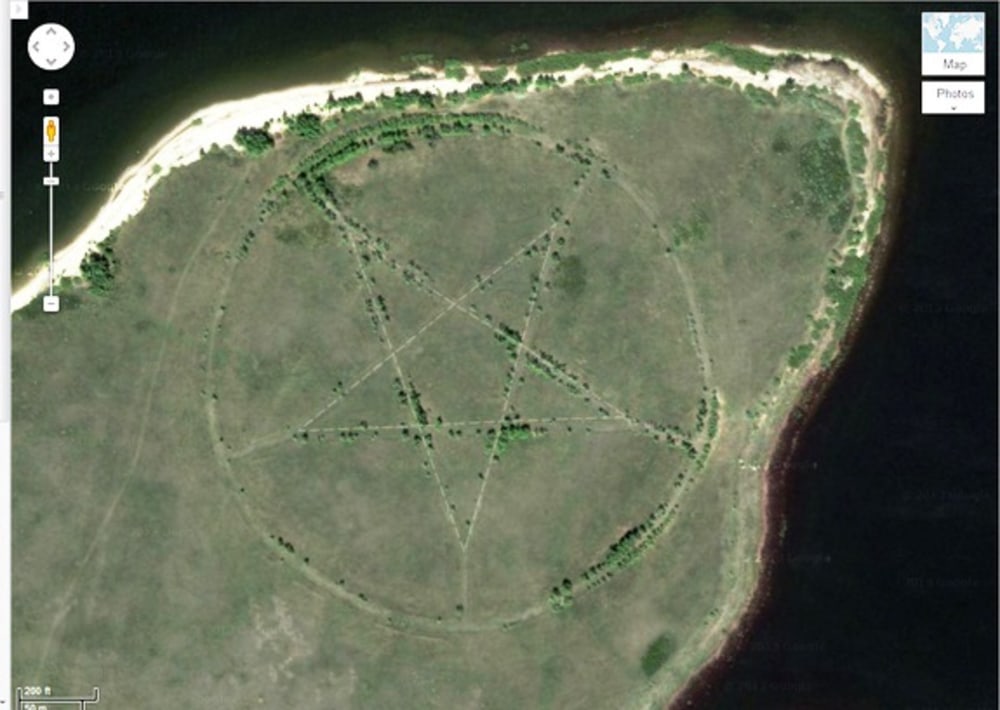
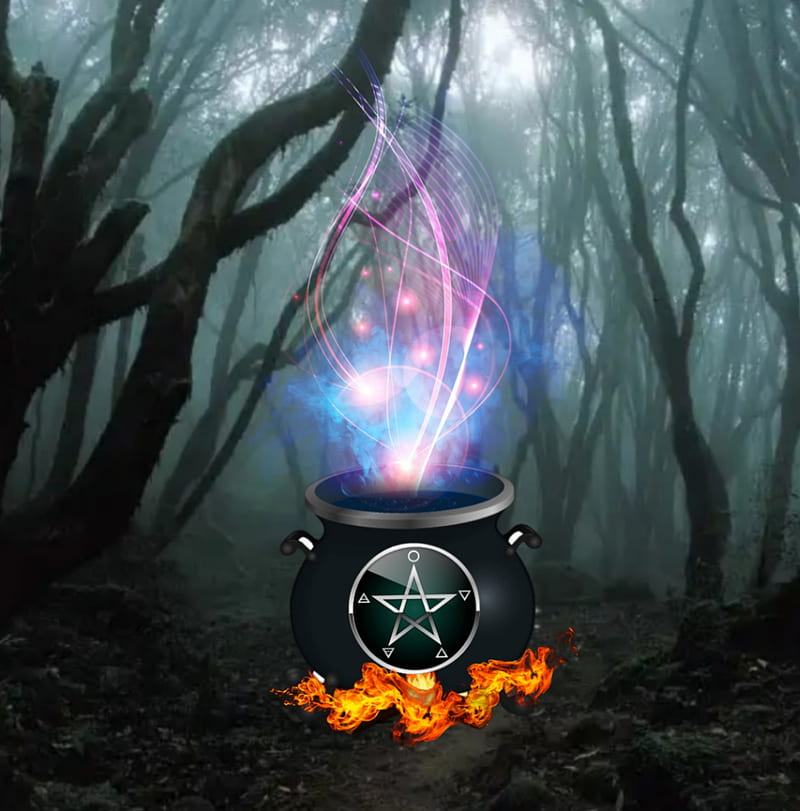
The pentacle is a symbol commonly used by Wiccans. Wiccans often understand the pentacle's five points as representing each of the five elements: earth, air, fire, water, and aether/spirit. It is also regarded as a symbol of the human, with the five points representing the head, arms, and legs.

Its meaning has varied wildly over time, and it has functioned as a symbol of protection, of perfection, of the Devil, and of humanity, among others. Mathematically, the segments of the pentagram exhibit the golden ratio, which perhaps makes the figure especially aesthetically pleasing.

The pentagram is an ancient protective symbol that represents earth, air, fire and water plus spirit. Wiccans wear it as a necklace or or put the image in a particular place to act as a barrier to evil. It also provides an easy way for Witches to recognize each other in public.

The pentagram is not considered satanic or evil generally. It has been used for millenia, way before Christianity. In modern contexts, the upright pentagram is seen as a symbol for good and spiritual evolution in Kabbalah and occultism - the top point (spirit) is above matter.

pentagram, a five-pointed star, usually drawn by using one continuous line of five straight segments. It has been used throughout history as a symbol, often in magic or the occult. Its meaning has varied wildly over time, and it has functioned as a symbol of protection, of perfection, of the Devil, and of humanity, among others.

Mathematically, the segments of the pentagram exhibit the golden ratio, which perhaps makes the figure especially aesthetically pleasing.

The pentagram has been in use for thousands of years. In ancient times it was featured in tombs and seals of Egypt and Mesopotamia and coins of Greece. The pentagram was a symbol of the Greek mathematician and philosopher Pythagoras and his disciples, probably in part as a way for followers to recognize each other.

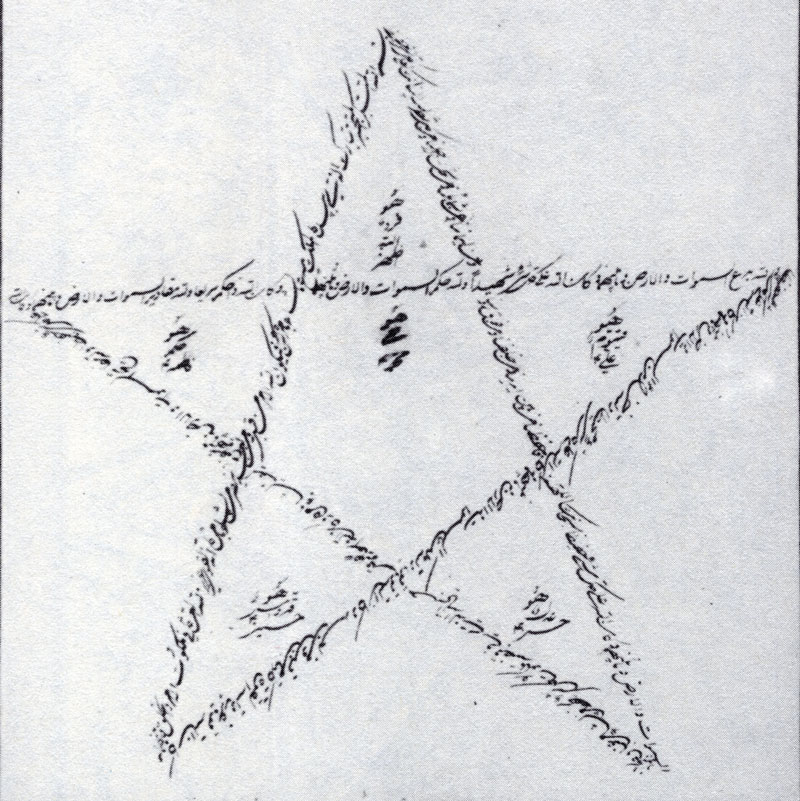
Haykal (pentacle talisman)

Some sources say the Pythagoreans regarded it as a symbol of health and knowledge, and in some depictions the Greek letters for the word “health” are placed at its points. It may also have been used by the Greeks and others generally as a symbol to ward off evil, and it has been seen in pottery of the ancient kingdom of Judaea, maybe as a mark of tax collectors.

In the Middle Ages in Europe, pentagrams were used as a symbol of the five knightly virtues. In the poem Sir Gawain and the Green Knight, the titular Sir Gawain wears a golden pentagram on both his shawl and his shield as a mark of his virtue, loyalty, and kindness. Pentagrams were also used to defend against witches, evil spirits, and demons.

In the 16th century, Heinrich Cornelius Agrippa von Nettesheim published a version of the pentagram that symbolized man as a perfected work of God, with head, hands, and feet representing the five points and symbols of the five (known) planets around them. The French occultist Éliphas Lévi in the 19th century expanded on this concept with the “tetragrammaton pentagram,” which includes a variety of symbols that represent human existence.

In addition to planetary and astrological symbols, this pentagram includes symbols of the four elements and Hebrew letters. The pentagram was also used by the Freemasons, who sometimes placed a G in the centre for gnosis, generation, and the Grand Architect. A history of the Freemasons from the late 19th century notes the variety of uses—as a symbol of man, a demon, protection, magic, and others.

Pentagrams have also been used in a variety of religious contexts. Among Muslims the pentagram is known as Solomon’s seal, and its five points are regarded in at least one tradition as representing love, truth, peace, freedom, and justice, respectively. It is also the official symbol of the Bahāʾī Faith, though not its most prevalent. For the Bahāʾī it is sometimes called the haykal, which means “temple” or “body” in Arabic. Among Christians it has symbolized the five wounds of Christ—his hands and feet punctured by the Crucifixion and his side pierced by a soldier’s spear—as well as the Star of Bethlehem and Christ himself.

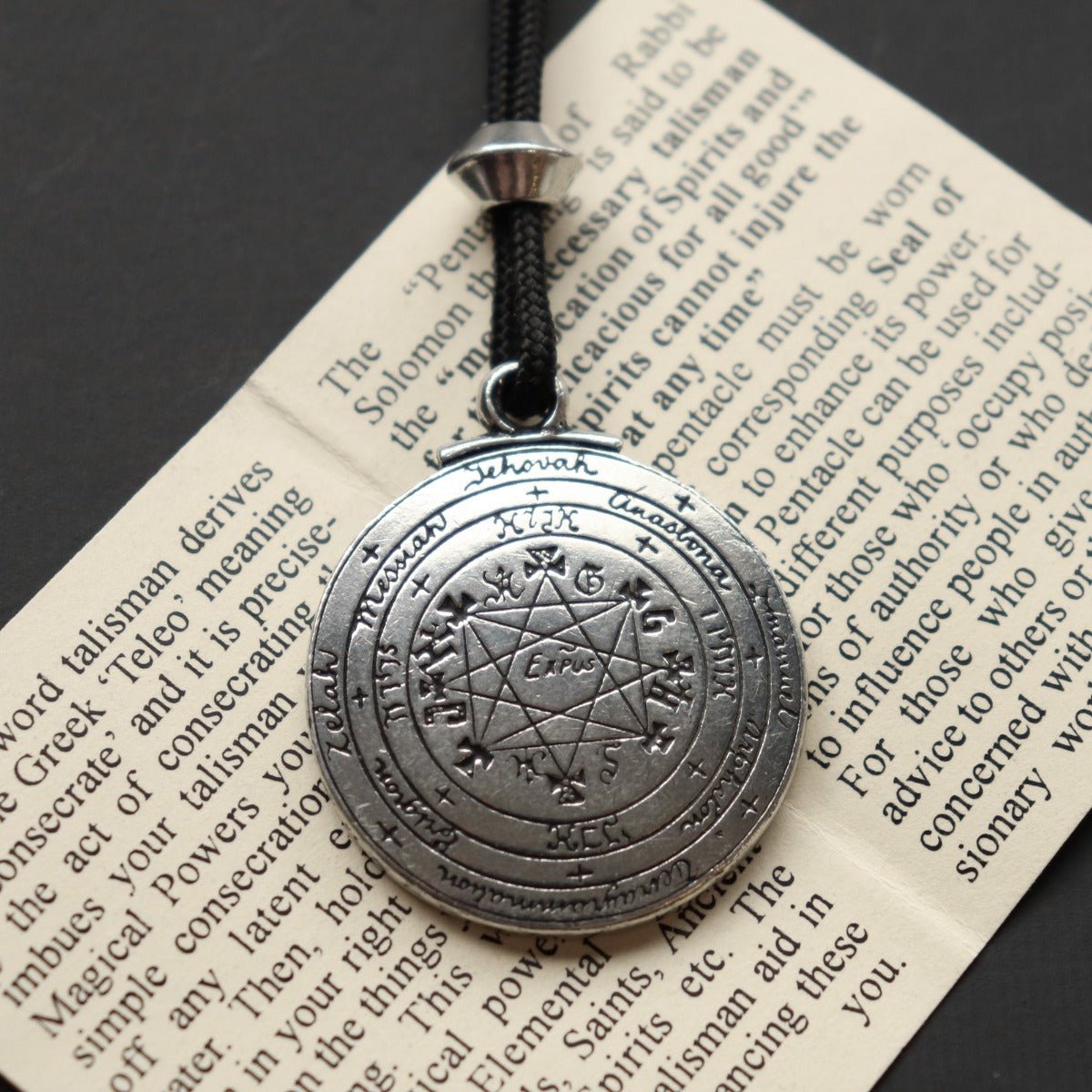
In modern times the pentagram is most often associated with Neo-Pagan religions, especially Wicca. It is often depicted enclosed in a circle, a symbol known as a pentacle. In these traditions the five points often represent the five elements of air, fire, water, earth, and spirit. For Wiccans the pentagram may also symbolize masculine and feminine, or the Triple Goddess (three points) and the Horned God (two points). Many Neo-Pagans consider the pentagram a symbol of protection and may use it to invoke or banish spirits. The pentacle is the approved symbol of the Wiccan faith to be used on headstones in U.S. government cemeteries.

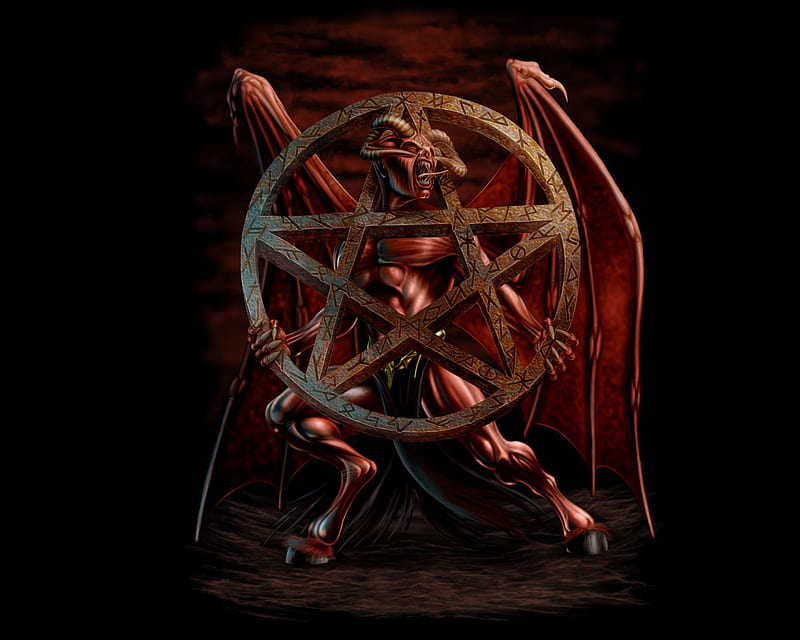
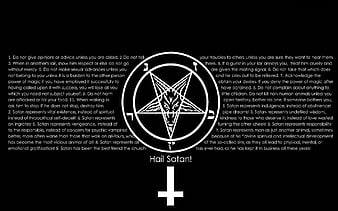
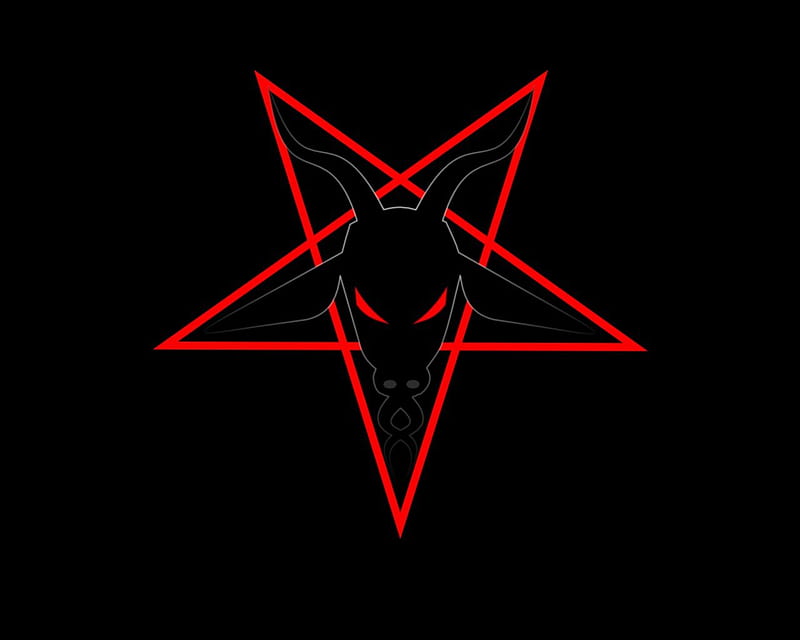
Sometimes the inverted figure of the pentagram, with two points facing upward and one facing down, is associated with negative or “black” magic and devil worship. Indeed, the inverted pentagram figures in the sigil of Baphomet, one of the main symbols of the Church of Satan, an atheistic organization that evokes in its imagery the Devil as viewed in Christianity but does not worship any god or being or require that its members perform any rituals, magical or otherwise. The sigil of Baphomet depicts a goat with its horns in the upturned points of the star. This likely stems from the 19th-century European revival of occult studies, during which time it was held that a pentagram with one point facing upward symbolized ascendance, God, and supremacy of the spirit and a pentagram with one point facing downward symbolized Satan, infernalism (everlasting torment), and descent of the spirit. This is perhaps why in Wicca the pentagram is most often depicted with one point facing upward.

Source: Pentagram | Design, Shape, Star, Supernatural, Definition, & Meaning | britannica.com/topic/pentagram

Healing Wisdom from the Quran and Hadiths: Exploring Natural Remedies for Holistic Well-Being.

In the sacred texts of Islam, the Quran and Hadiths not only provide spiritual guidance but also offer insights into various aspects of life, including health and healing. Many elements mentioned in these scriptures are revered for their potential healing properties. Let's delve into some of the elements highlighted in the Quran and Hadiths that are considered remedies for respective diseases, blending ancient wisdom with contemporary understanding.

1. Honey:

- Quranic Mention: "There comes forth from their bellies, a drink of varying colors wherein is healing for mankind." (Quran 16:69)

- Hadith: The Prophet Muhammad (peace be upon him) is reported to have said, "Make use of the two remedies: honey and the Quran." (Hadith - Sahih al-Bukhari)

2. Black Seed (Nigella Sativa):

- Quranic Mention: "And (in) the black seed is healing from every disease except death." (Hadith - Sahih al-Bukhari)

- Hadith: The Prophet Muhammad (peace be upon him) stated, "In the black seed, there is healing for every disease except death." (Hadith - Sahih Muslim)

3. Olive Oil:

- Quranic Mention: "And He causes crops to grow for you, and the olive tree, the date-palm, the grapevine, all kinds of fruits. Surely there is a sign in this for people who reflect." (Quran 16:11)

- Hadith: The Prophet Muhammad (peace be upon him) is reported to have said, "Eat the oil and use it on your hair and skin, for it comes from a blessed tree." (Hadith - Sunan Ibn Majah)

4. Zamzam Water:

- Quranic Mention: While the Quran does not specifically mention Zamzam water, its significance is deeply rooted in Islamic tradition, associated with the story of Hagar and Ishmael.

- Hadith: The Prophet Muhammad (peace be upon him) said, "The water of Zamzam is for whatever it is drunk for." (Hadith - Sunan Ibn Majah)

5. Dates:

- Quranic Mention: "And shake toward you the trunk of this palm tree; it will drop upon you ripe, fresh dates." (Quran 19:25)

- Hadith: The Prophet Muhammad (peace be upon him) is reported to have said, "He who eats seven 'Ajwa dates every morning, will not be affected by poison or magic on the day he eats them." (Hadith - Sahih al-Bukhari)

6. Aloe Vera:

- Quranic Mention: Although Aloe Vera is not explicitly mentioned in the Quran, it is considered by some scholars to fall under the broader category of plants mentioned in various verses.

- Hadith: The Prophet Muhammad (peace be upon him) encouraged the use of Aloe Vera, stating, "Aloe is a plant that contains five blessings: it is hot and cold, and it is beneficial for the eyesight and keeps the hair on the head, prevents the hair from turning gray, and helps it to grow."

7. Fasting (Sawm):

- Quranic Mention: "O you who have believed, decreed upon you is fasting as it was decreed upon those before you that you may become righteous." (Quran 2:183)

- Hadith: The Prophet Muhammad (peace be upon him) said, "Fasting is a shield; so when one of you is fasting, he should neither indulge in obscene language nor should he raise his voice in anger. If someone attacks him or insults him, let him say: 'I am fasting!'" (Hadith - Sahih al-Bukhari)

These elements highlighted in the Quran and Hadiths not only carry spiritual significance but also offer profound insights into maintaining good health. The integration of these natural remedies into one's lifestyle, guided by the principles of Islam, provides a holistic approach to well-being that resonates with both tradition and contemporary understanding. It is essential, however, to approach these remedies with respect and seek advice from healthcare professionals when necessary, ensuring a balanced and informed approach to health in alignment with Islamic teachings.

Reference: linkedin.com/pulse/healing-wisdom-from-quran-hadiths-exploring-natural-hasan-mba-wlvwf

۱- جن جانوریست دارای شعور؛ و فیزیکی غیر ارگانیک ؛ که از لحاظ شان وجودی ؛ از دید ادیان پایینتر از انسان و بالاتر از حیوان جای می گیرد .در فرهنگ فارسی به آن دیو و در فرهنگ عرب به آن جن و در فرهنگ لاتین demon یا jinn نام گرفته است. جن به معنای چیزی است که؛ پوشیده شده ؛و منظور پوشیده ماندن او از حواس ماست.

۲- خصوصیات فیزیکی جن از دید انسان؛ اعجاب آور است. عنصر اصلی وجودی جن آتش است وبه علت نداشتن عنصر خاک ؛در وجودش مانند بارباپاپا ؛می تواند به هر شکل و اندازه ای تبدیل شود. و بسیاری از چیزها را در یک آن ؛جا به جا کند .همچنین سرعت نقل مکان بسیار بالایی دارد. می تواند مثلا ظرف ۵ دقیقه فاصله بین لاهور و تهران را طی کرده و برگردد.

۳- جن ابزار ساز نیست ؛ وبه علت خصوصیات فیزیکی منحصر بفرد ؛قادر است در هر مکان و شرایطی زندگی کند ؛وبرای همین به خانه و مسکن نیازی ندارد. زیرا سرما و گرما و باد و بوران بر او کارگر نیست .جن به وسایل حمل و نقل بی نیاز است ؛ و از اینجا می توان فهمید که جن ها دارای صنعت و تکنولوژی نیستند ؛ و شهر و کاشانه ای ندارند مکان معمول زندگی آنها کوه وجنگل و دشت است.

۴- جن مانند همه جانداران غذا مصرف می کند . اما به مقداری بسیار کمتر از انسان.

۵- جن ها مثل انسان جنسیت ونر یا ماده دارند . تولید مثل می کنند و تشکیل خانواده می دهند ؛ و به صورت جماعت زندگی می کنند و جامعه ندارند.

۶- جن نسبت به انسان زیاد عمر می کند . حدود ۱۰۰۰ سال به بالا .جن هایی که در سوره ی جن از آنها نام برده شده ؛ که وقتی اولین بار آیات قرآن را شنیدند ؛ از شدت ازدحام داشتند بر سر هم خراب می شدند ؛ احتمالا هنوز زنده اند . جن ها مانند انسان داناونادان ؛ .فرمانده و فرمانبردار ؛ ارباب و بنده ؛ کافر و متدین ؛ شفیق و شرور دارند.وقتی که مردند از بین میروند و نیازی به قبر و گورستان ندارند.

۷- جن دارای عقل است . اما نه عقل ابزار ساز و عقل فلسفی و خلاقیت هنری .عقل جن به معنای قوه ی ارزیابی امور روزمره یا همان عقل معاش ؛ و قوه تشخیص است ؛ به اضافه هوشی سرشار ؛ اعم از قدرت خواندن فکر و جستجو و یافتن گذشته و آینده.

۸- جن ها مانند انسان نامگذاری می شوند ؛ و دارای اسم و رسم و شهرت هستند دارای زبان خاص ؛ و قوه تکلم هستند و قادر به فهم زبان آدمیان.

۹- معروف ترین جن ؛ ابلیس ؛ یا همان شیطان نام دارد ؛ که وصف حال او را شنیده اید ؛ که چون بسیار در قرب به حق کوشید به جایگاه فرشته های مقرب رسید ؛ اما چون حاضر به سجده بر انسان ؛ یعنی شریک قرار دادن بر خدا نشد از درگاه الهی رانده شد.خداوند مهم‎ترین علت‎های عدم سجده ابلیس بر آدم(ع) را تکبر معرفی کرده است که زمینه کفر او را فراهم می‎کند.

۱۰- جن در شرایطی قادر به تسخیر انسان ؛ و انسان در شرایطی ؛ قادر به تسخیر جن است . انسان مسخر شده را مجنون؛ یا دیوانه ؛یا دیو زده ؛ و جن تسخیر شده را ؛موکل می نامند. گویند خود جنیان بر سه قسمند: دیو.؛جن وپری ؛که از لحاظ مکانی ؛ مادون فرشته هستند.

۱۱- جن می تواند در مواردی تربیت شده ؛ به انسان خدمت کند. چنین سنتی در میان جنگیران ایران و پاکستان وهند وجود دارد . اما به طور کل ؛ نه بودا ؛ نه دالای لاما ؛ نه اولیا الله ؛ و نه عرفا و نه پیامبران هیچکدام ؛به مدد خواستن از موجوداتی که مثل انسان ؛خطا و اشتباه و گناه می کنند ؛توصیه نکرده اند اما همگی؛ وجود آنها را تایید کرده اند .

۱۲- جنیان مانند امواج رادیویی و ماهواره ای ؛با ما هستند ظاهر نمی شوند ؛اما حاضرمی شوند و بعضی از انها ؛درخانه ها و بدن شخصیت های ضعیف ؛رفت و آمد می کنند. یکی از راه های دور کردن جنهای مزاحم ؛خواندن و آویختن ۴ آیه از قران است ؛ که با قل شروع می شوند . و بسیاری ادعیه ؛که درکتب مختلف وجود دارند.اماراه دورکردن انسان شرورچیست!؟

۱۳- جن ها ؛ بعضی از ما را؛ به شکل همزاد و غیر همزاد دوست دارند؛ کمکمان می کنند ؛همینطور جواهرات و اشیای قیمتی ما ؛ازجمله انگشترهایی با نگین سنگ (مخصوصا عقیق)را بسیار دوست دارند (ومخصوصا اگر بر آن آیات و اوراد حک شده باشند) .اگر دوستمان داشته باشندو سخنی باماداشته باشند ؛بیشتربه خوابمان می ایند و دلسوزی خود را اعلام می کنند .خیلی ازآنها خدمتگذار ارواح اولیا هستند و دست ماراگرفته اندو خیلی ها هم به کرداراکثرآدمیان اهل شیطنت.بیشتر آنها بی ضررند و مثل ما گرفتار این دنیا و درگیر و دار تقدیر خویشند.

۱۴- اما آنان که ماورای طبیعت ؛ و موجوداتش را باور ندارند؛ چند دسته اند :کسانی که انچه که نمی بینند را باور ندارند . اینها معمولا فقط آنتی تزقصه های جن وپری مادربزرگ ها هستند؛ که حتی زحمت دانستن کوچک ترین اطلاعاتی جز نقد داستان گرمابه های تاریک وکوتوله های پاسمی و عروسی جن ها رابه خودشان نداده اند. این تیپ آدمها از ۷ سالگی که مادر بزرگه داستان های جن وپری را برای ترساندن و خواب کردنشان تعریف می کرده ؛هنوز زیر لحاف هستند.و یا اینکه هارد دیسک کوچکشان از مسئله پر شده و دیگر تاب و یارای درک و پذیرش راز را ندارند.مثل من چهارتا کتاب خوانده اند و تمام ماجرا را در همان چهارتا دیده اند.و گروهی که پوچ یا ابسورد هستند: کسانی که خویش را منکرند چه رسد به ماورای خویش . و گروه آخر کسانی که جنها ؛ دستشان می اندازند و در مجالس احضار ارواح ؛در نقش یک روح برایشان شیرین کاری می کنند ؛تا فردا در مدح روح ؛کتاب چاپ کنند و جایزه بگیرند.

جن برای انسان ؛ از انسان خطرناک تر نیست . همانطور که انسان برای کوسه ؛ از کوسه خطرناک تر است!(در تاریخ بشر حتی یک مورد مرگ انسان به دست جن گزارش نشده در حالی که فقط در دوره حکومت استالین ۳۵ میلیون روس به قتل رسیدند آمار کشتار جنگ های مذهبی صلیبی و جنگ های جهانی و قومی و قبیله ای پیش کش) در حقیقت هیچ چیز ؛ هراس ناک تر و هوس ناک تر از انسان نیست ؛ که به قول توماس هابز :انسان گرگ انسان است.

۱۵- در کل؛ و بدون در نظر گرفتن موارد خاص ؛ آنها به ما کاری ندارند .ماهم به آنها کاری نداریم . ازدود و دم و سر و صداهای شهر و بوی فاضلاب و …… فراریند .مثل ما کار و مکافات دارند. و دست آخر اینکه ؛به عقیده من: با تمام این اوصاف ؛تفاوت اساسی با ما ندارند زیرا که : آنها هم رنج می کشند.

Cassiel (Hebrew: קַצְפִּיאֵל Qaṣpīʾēl, "God is my wrath"; also known as קַפְצִיאֵל Qap̄ṣīʾēl, "God is my leap"; Arabic: كسفيائيل, Kasfīyāʾīl) is an angel appearing in extracanonical Jewish, Christian, and Islamic mystical and magical works, often as one of the Seven Archangels, the angel of Saturn, and in other roles.

Cassiel meaning “Speed of God” is the Latin name of an archangel in post-biblical Judeo-Christian religion, particularly that of the Kabbalah. Unlike many other angels, Cassiel is known for simply watching the events of the cosmos unfold with little interference. He is the angel of solitude and tears, and is said to preside over the deaths of kings.

What does the Bible say about Cassiel?

There actually is no reference to a Castiel in the Bible. However, it is sometimes considered a variation of Cassiel. Cassiel is an Archangel. He is referenced as being the patron angel of the oppressed.

Though the Bible doesn't mention Cassiel directly, the character has occurred in various forms of media and literature. He has featured in movies, books, and TV shows, often depicted as a sympathetic angelic figure, observing humanity from afar and reflecting a quiet, contemplative demeanor.

What is the duty of Cassiel?

Unlike many other angels, Cassiel is known for simply watching the events of the cosmos unfold with little interference. His name meaning remains true to the Speed of God, as Cassiel is known to be the fastest archangel in all of creation. Even powerful archangels like Michael cannot keep up with him.

He is often included in lists as being one of the seven archangels and often associated with the Seventh Heaven.

Archangel Cassiel can also be called: Casiel, Cassel, Castiel, Cas, Cass, Casitiel, Castael, Mocoton, Kaziel, kafkiel, Qafsiel, Qaphsiel, Qaspiel, Quaphsiel. He is also known as the angel of temperance.

Cassiel is sometimes described as the angel of tears and the angel of temperance.

کاسیل فرشته نظم و صبوری است. با کاسیل در روزهای شنبه، اول هر هفته کمک می‌کند انرژی کافی برای کنار گذاشتن الگوهای ناکارآمد رفتاری را کنار بگذارید، ظرفیت خود را افزایش دهید و صبورانه برای اهدافتان تلاش کنید. کاسیل شما را راهنمایی می‌کند و به شما استقامت و انعطاف لازم را می‌بخشد.

? Why is Cassiel the angel of tears

Archangel Cassiel is associated with Saturn. Cassiel rules the Sabbath or the day of rest, the pause in our week for reflection. The combination of Emerald Green/Mid Tone Olive brings together the journey from the solar plexus towards the heart.

In rabbinic literature, the Kabbalah is the only text to relate the identity of angels with souls. Tradition differs as to how many classes of angels exist although all relate the number of angel classes to the heavens in a one-to-one ratio. One of the older and most common views, divides angels into seven classes. Another tradition states that there are only three true archangels and only three heavens. And then there is a third tradition, combining the two aforementioned for a total of ten classes of angels. Yet another theory relates the names of the archangels to the planets.

What does the angel Cassiel do?

Unlike other Angels, Cassiel simply observes and watches what happens here on Earth without interfering. He is considered to be the ruling prince or high ranking Angel who guards the Seventh Heaven, which is said to be the most sacred realm where God sits on his throne.

Who is the angel of loneliness? Cassiel

Cassiel is said to be the angel of solitude and tears, and is said to preside over the deaths of kings. According to some scholars, he has been shown to have a beard and riding a heavenly griffon in some works.

Cassiel is listed in the related works The Sworn Book of Honorius and in (pseudo)-Peter de Abano's Heptameron (the latter also influenced by Sefer Raziel). Cassiel's presence in Honorius may also be a result of Greek influence, as he is likewise listed in a Byzantine exorcism manual (as Kasiel). In these works, he is, as usual, listed as the angel of Saturn but also as the angel of the North and as one of the angels named in the Sigillum Dei. Following Honorius and the Heptameron, Cassiel appears in the Liber de Angelis as Cassael (again the angel over Saturn), then in various editions of the Key of Solomon as Cassiel or Cassael, angel (sometimes archangel) over Saturn or Saturday, and once again in the Sigillum Dei. Cassiel is depicted in Francis Barrett's The Magus as a dragon-riding Djinn with a beard, again as the angel over Saturn.

God created Mary humble in her nature, a mere woman, and therefore lower than the angels, and it was she who sanctified herself,” the priest added. This is primarily why the devil hates and fears the Holy Name of Mary. He was given so much according to his nature and he became a moral monster. Satan finds his defeat by the Virgin Mary humiliating because she is a woman, and women are the weaker sex (1 Peter 3:7), and he despises weakness. He loves nothing more than to see women abused, degraded, and objectified.

What did angels say to Mary?

Summary. God sent the angel Gabriel to Nazareth with a message for Mary, who was promised in marriage to Joseph. The angel told Mary that she would have a son, whom she was to name Jesus. The angel said, “He will be great and will be called the Son of the Most High God.”

Was Maryam a virgin in Islam?

God informed Mary that she had miraculously conceived a child through the intervention of the divine spirit, though she was still a virgin. The name of her child is chosen by God, being Isa (Jesus), who would be the "anointed one", the Promised Messiah.

According to popes and exorcists, the devil fears the Blessed Mother.One of the surest ways of combatting the devil is by developing a close relationship with the Blessed Virgin Mary. The devil hates her and runs away from those who are close to her.

According to Italian exorcist Fr. Sante Babolin, “while I was insistently invoking the Most Holy Virgin Mary, the devil answered me: ‘I can’t stand That One (Mary) any more and neither can I stand you any more.'”

Furthermore, he discovered that “‘the strongest reactions’ of the devil during the exorcism occur ‘when references are made to her apparitions.'” Therefore, Babolin frequently invokes the Virgin Mary under her titles of “Lourdes, Fatima or Guadalupe.”

Satan hates the Blessed Virgin Mary. In fact, he has been doing everything in his power to discourage devotion to her and instill hatred for her for two millennia.

The scene is the Garden of Eden. The characters are God, the serpent, Adam and Eve. He has just deceived Eve, and through her Adam. He is proud of himself. God has appeared on the scene to clean up the mess.

God starts by addressing Satan, telling him he is going to eat dirt for the rest of his days. Then he reveals something that makes Satan cringe in horror – his ultimate defeat will come at the hands of a woman.

And I will establish a feud between thee and the woman, between thy offspring and hers; she is to crush thy head, while thou dost lie in ambush at her heals.

The devil loathes the fact that his ultimate defeat will come at the hands of a lowly handmaiden. In a way, his proud heart could handle being defeated by God himself because he’s Almighty and Omnipotent. But by being crushed by a little lady from Nazareth? The thought is almost humiliating. It drives him crazy.

Satan finds his defeat by the Virgin Mary humiliating because she is a woman. Our Blessed Lady is a human, and Satan hates humans because we have bodies, and he thinks bodies are disgusting. Satan hates being defeated by Mary: She is his replacement in heaven.

Lucifer was originally God’s finest achievement. He was more beautiful, more powerful than all other creatures that God had created. He was so gorgeous, so mighty that he really thought he could be better than God. The defining marks of Satan are pride and envy of the Almighty.

For every ounce of pride the devil has, Mary had twice as much of humility. For every drop of hate filled and bitter envy in Satan’s black heart, Mary’s heart is filled with twice as much as praise, worship, and love. Mary’s heart is filled with more purity and fruitfulness. His exalting of Mary in Satan’s place: “He has exalted the lowly.”

Worst of all for Satan, his replacement in heaven is none other than the mother of the Eternal Word, Jesus Christ, whose passion and death redeemed the very humility he has worked so hard to destroy. Her ‘Yes’ to God undid the disobedience of Eve, paving the way for the saving work of the New Adam. This is Satan’s humiliation and doom. Satan hates you. His bitter envy is to destroy God’s creation and to drag us into the abyss of hell.

But fear not, the ancient serpent is powerless against the Immaculate Virgin, she is the instrument that Jesus will use to humiliate and demolish him.

Do you want to make it safely through trials, temptations and storms to our eternal home? Call on Mary, love her. Consecrate yourself totally and completely to her for nothing that belongs to her will be lost.

Satan knows his time is running out. He is afraid and angry for he knows that he will be soon crushed by the Woman who makes his heart quake, the woman who “looks forth like the dawn, fair as the moon, bright as the sun, terrible as an army with banners”.

devotion.blogfa.com
بسم الله الرحمن الرحیم

devotion means  love, loyalty, or enthusiasm for a person or activity
devotion == to be profoundly dedicated or earnestly attached
devotion is religious worship or observance
devotion
/dɪˈvəʊʃ(ə)n/

always be healthy
God bless you

We are here to heal

Little Kids Praying

Little Kids Praying

Little Kids Praying

Little Kids Praying

Angel you will never walk alone

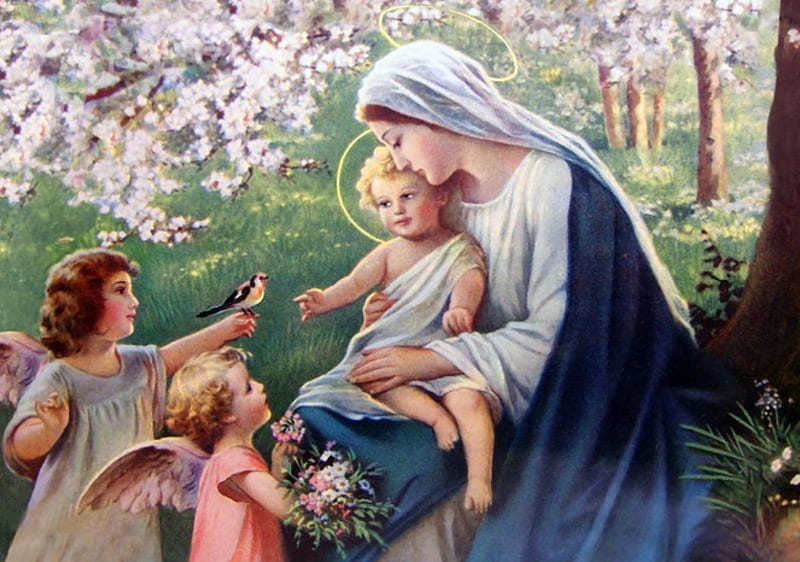
Angel Watching over US

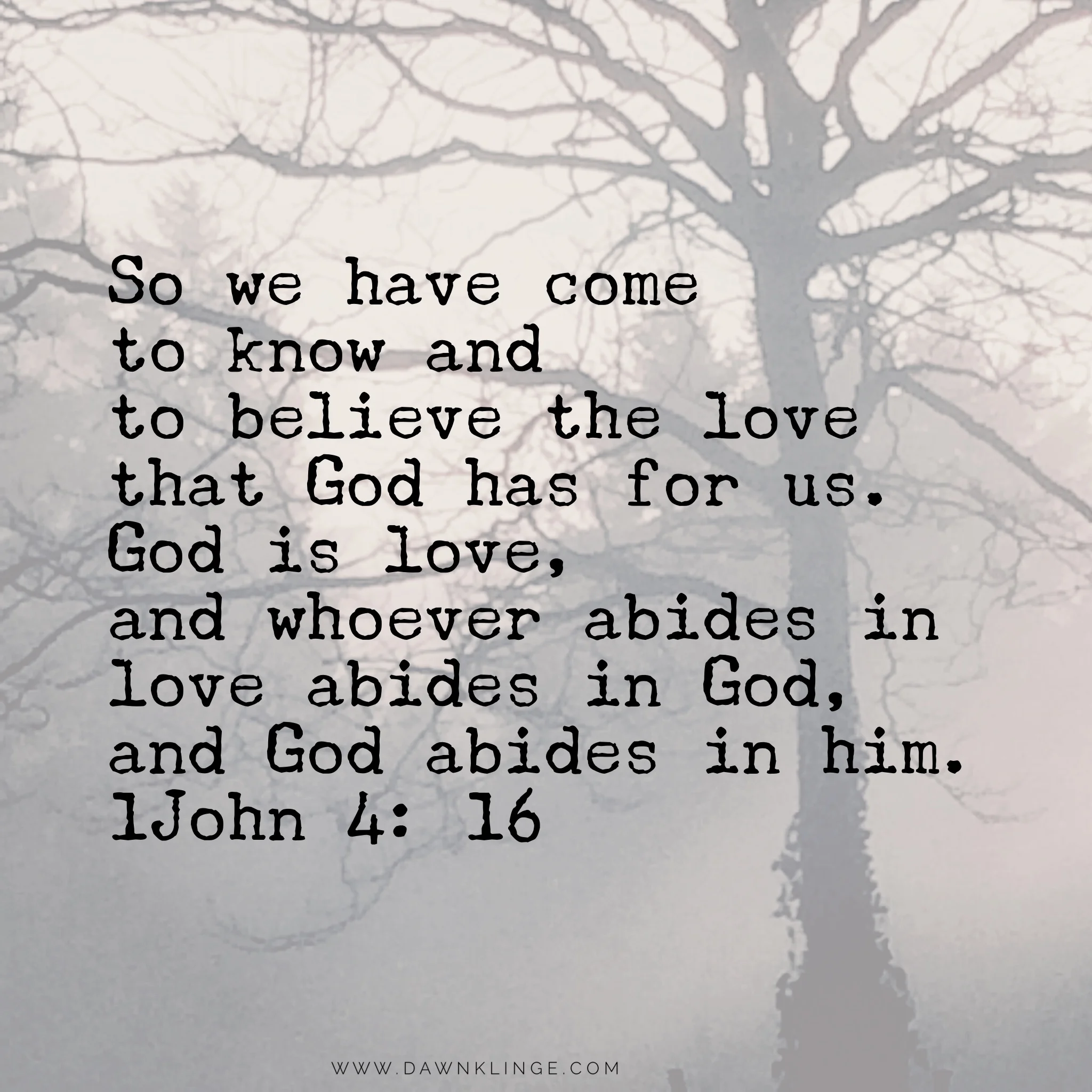
God is Love

Ask God